How does manual pressure address spinal discomfort?
Manual pressure applies controlled force to selected joints to support spinal motion and reduce movement limits. Arrowhead Clinic Chiropractor Newnan first reviews your symptoms, health history, and movement. The plan may pair an adjustment with traction, soft tissue therapy, or rehabilitation when muscle tension or injury affects your comfort.
Who is a good fit for this care, and who needs a different service?
People with joint stiffness, back pain, neck pain, whiplash, or mobility limits may fit adjustment care. Severe or unusual symptoms need medical evaluation before treatment. Our exam helps identify whether chiropractic care fits or whether your symptoms call for another service, referral, or urgent medical attention.
What does the crew look at first during an adjustment visit?
The health history comes first because it shows when symptoms began and what may affect treatment. We then review movement, joint function, muscle tension, prior injuries, and accident details. X-rays may be considered when clinically indicated. This information guides the report of findings and treatment plan.
Which part of the care plan changes the price?
The evaluation, selected treatment methods, and added rehabilitation services influence the final cost. A plan that includes spinal decompression, traction, TENS therapy, or soft tissue therapy differs from an adjustment-focused visit. We discuss the recommended services and pricing during a consultation, and free consultations are available.
When should back or neck pain receive medical attention first?
Back or neck pain needs medical attention first when it follows serious trauma or includes severe, unusual, or worsening symptoms. An adjustment is not a substitute for urgent care. Share the full symptom pattern during intake so we can assess whether chiropractic care is appropriate.
Why might an adjustment plan include rehabilitation?
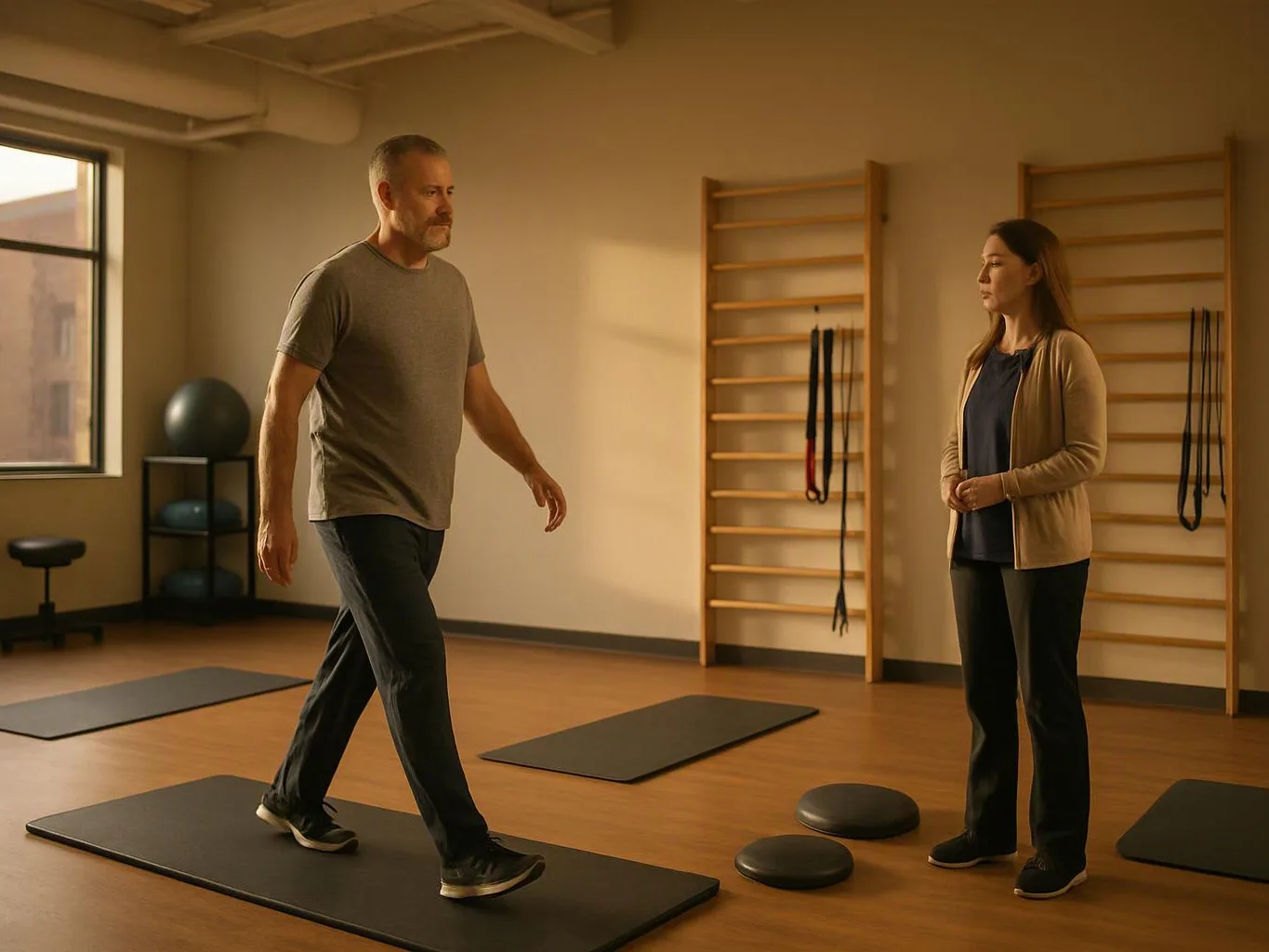
Rehabilitation addresses movement and muscle concerns that an adjustment alone may not cover. Exercises, traction, TENS therapy, kinesiology tape, or myofascial release may support the plan. Individual response differs, so progress re-examinations help us decide whether the care plan needs changes.
What should I bring after a car accident?
Bring accident details, prior treatment information, current symptoms, and any relevant claim documents. These records help the intake capture the injury and support clear communication about care. Our legal referral network can connect personal-injury patients with attorneys while treatment and insurance matters are coordinated.