What problems can affect chiropractic adjustment results?
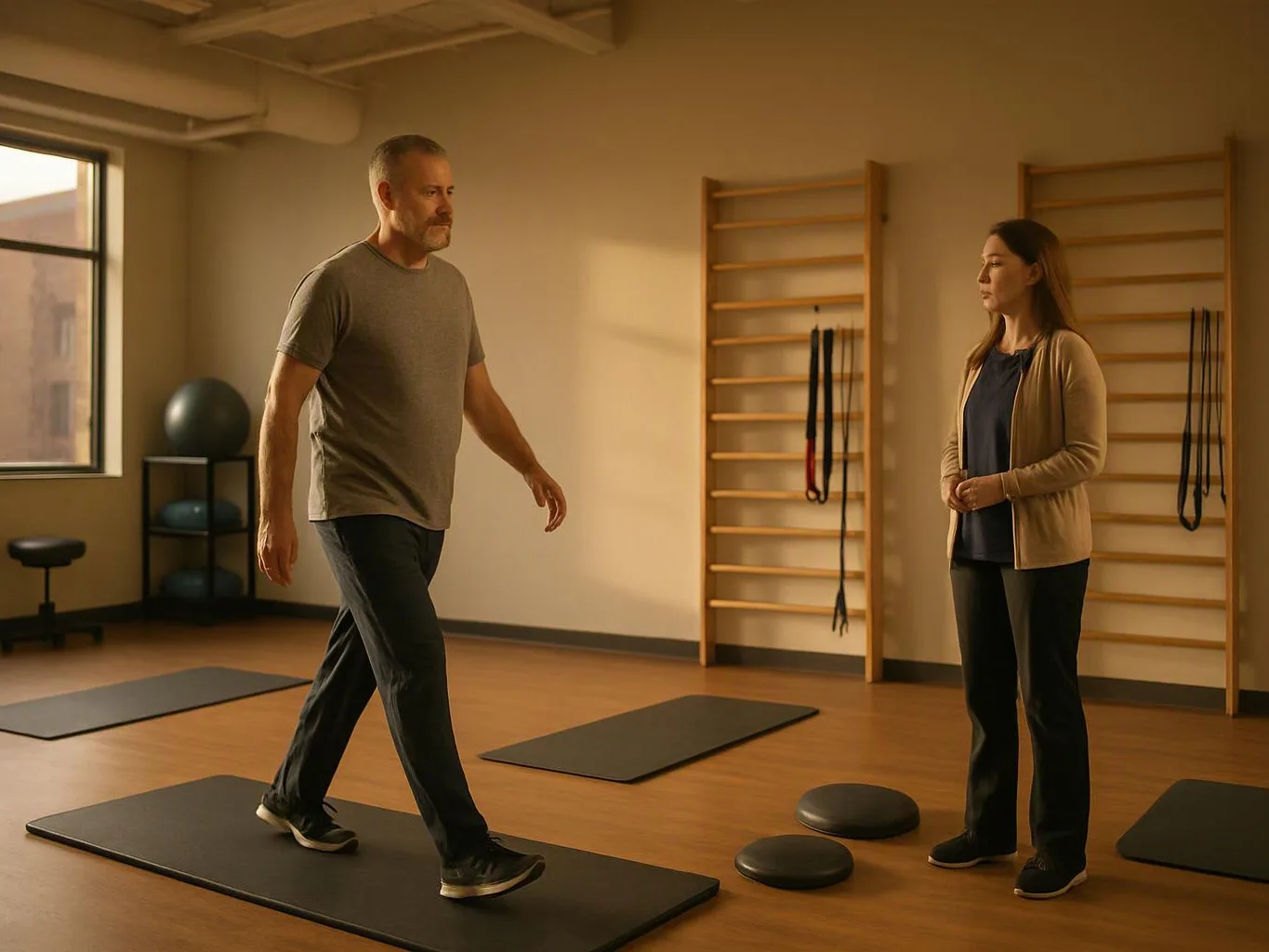
Incomplete followup can limit progress after chiropractic adjustment. Posture, muscle guarding, and limited mobility may keep stressing the same area. Our team reviews these factors during a health history and exam, then updates the care plan when needed. Results vary, so we track movement and symptoms instead of assuming one method fits every visit.
What should be ready before chiropractic adjustment starts?
A current symptom list, health history, medication list, and prior treatment details help prepare for an adjustment. Bring accident information or records that explain the injury when available. We use those details during the new patient intake and exam. Clear information helps us choose a suitable method and identify concerns that need another type of care.
What should I ask before agreeing to chiropractic adjustment?
Ask which area will be treated, why the method fits your exam, and how progress will be checked. Diversified adjustments, Activator Method techniques, and Cox Flexion-Distraction Therapy serve different purposes. You can also ask whether rehabilitation, traction, or TENS therapy belongs in the plan. Our team explains the proposed care before treatment begins.
Which condition changes the time needed for chiropractic adjustment?
Limited mobility can make the assessment and treatment plan more involved. Muscle guarding, several affected areas, prior injuries, and accident-related symptoms also shape the visit. We check movement and symptom patterns before selecting a method. The first visit focuses on safe assessment and a clear plan, not a fixed treatment sequence for every patient.
When should I ask about another type of care?
Worsening symptoms, new weakness, severe changes, or signs outside a musculoskeletal concern call for another medical assessment. A chiropractic adjustment may not fit every problem. We review your history and examination findings, and personal-injury patients can use our legal referral network for help coordinating treatment and insurance matters.
How does the first consultation help with ongoing pain?
A consultation identifies the symptoms, movement limits, and prior care that shape the next decision. We review posture, muscle guarding, joint motion, and the history of the problem. The discussion can lead to an adjustment plan, rehabilitation, or another referral. Free consultations give Franklin patients a way to discuss care before treatment begins.
Why might spinal decompression be included with an adjustment plan?
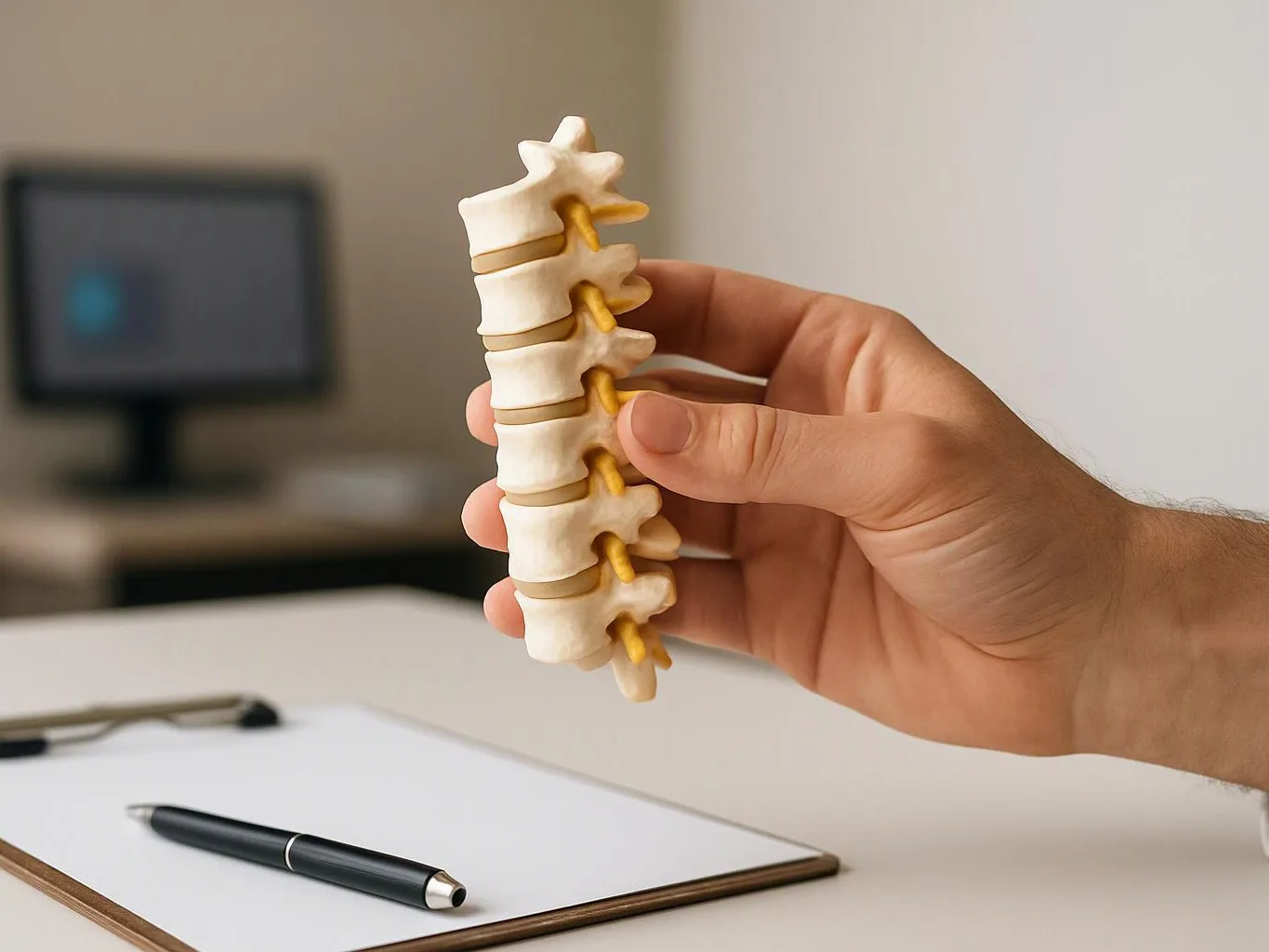
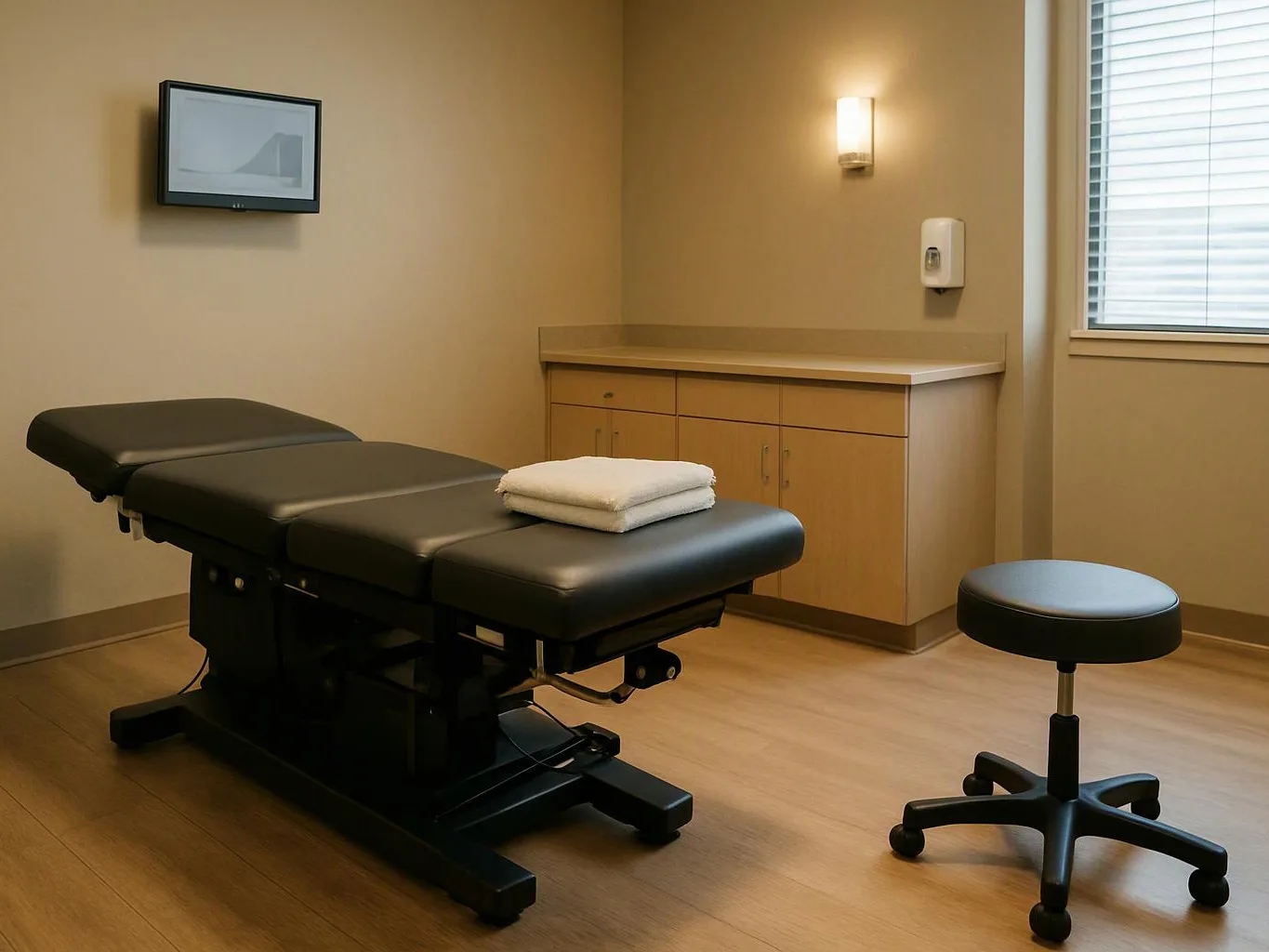
Spinal decompression may be included when the examination points to a disc-related or mobility concern. It uses a controlled table-based method and isn't the right fit for every patient. We compare the findings with your symptoms before adding it. Care may also include Cox Flexion-Distraction Therapy, traction, or rehabilitation.