What conditions can a medical clinic evaluate?
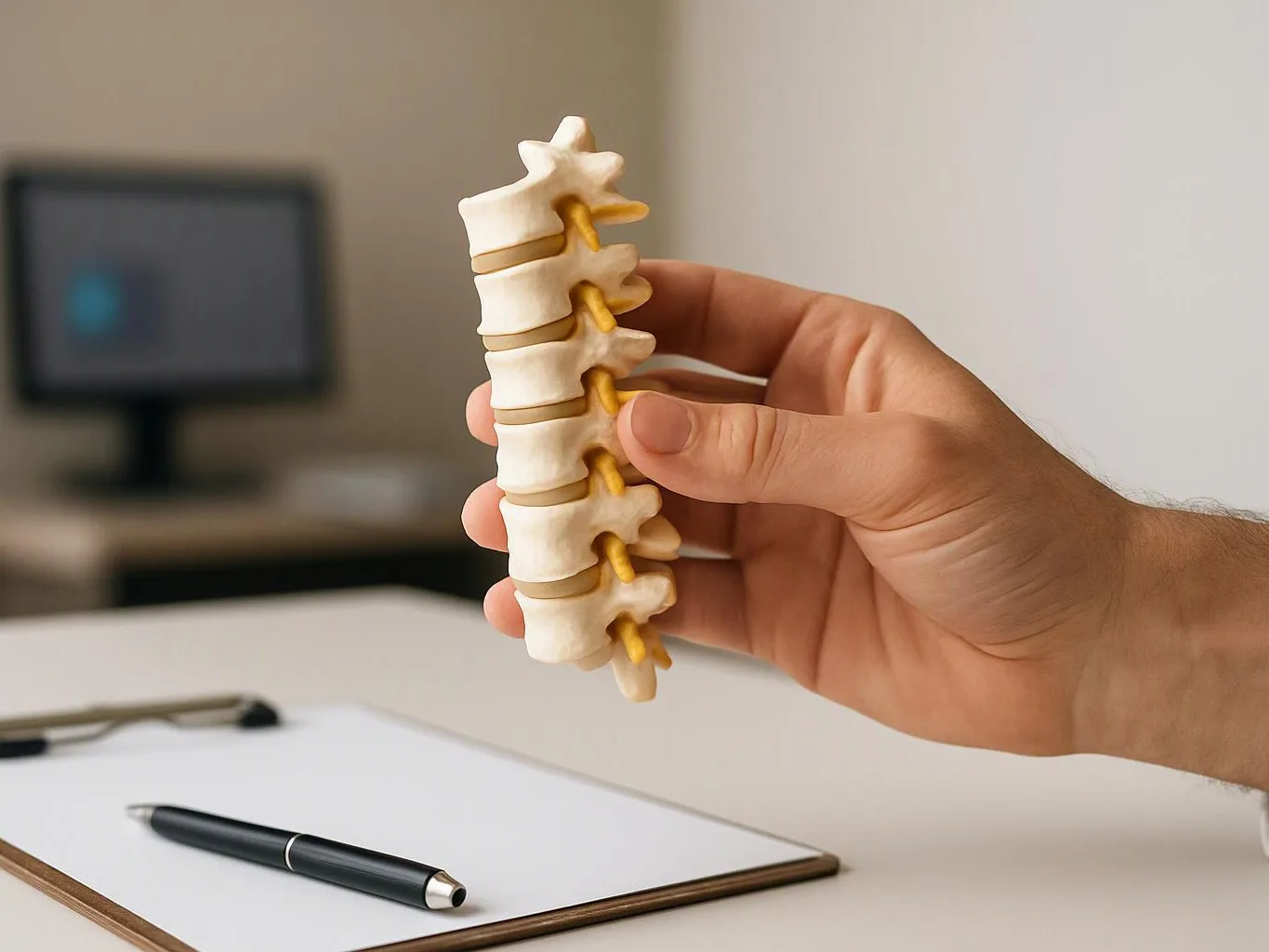
Neck pain, back pain, joint injuries, muscle strains, whiplash, sciatica, headaches, and disc-related pain can be evaluated. Arrowhead Clinic Chiropractor Newnan reviews symptoms, movement, health history, and accident details. The findings guide treatment choices such as adjustments, spinal decompression, soft tissue therapy, or rehabilitation. Results vary, and some symptoms require another level of medical care.
Which part of a patient visit decides the treatment scope?
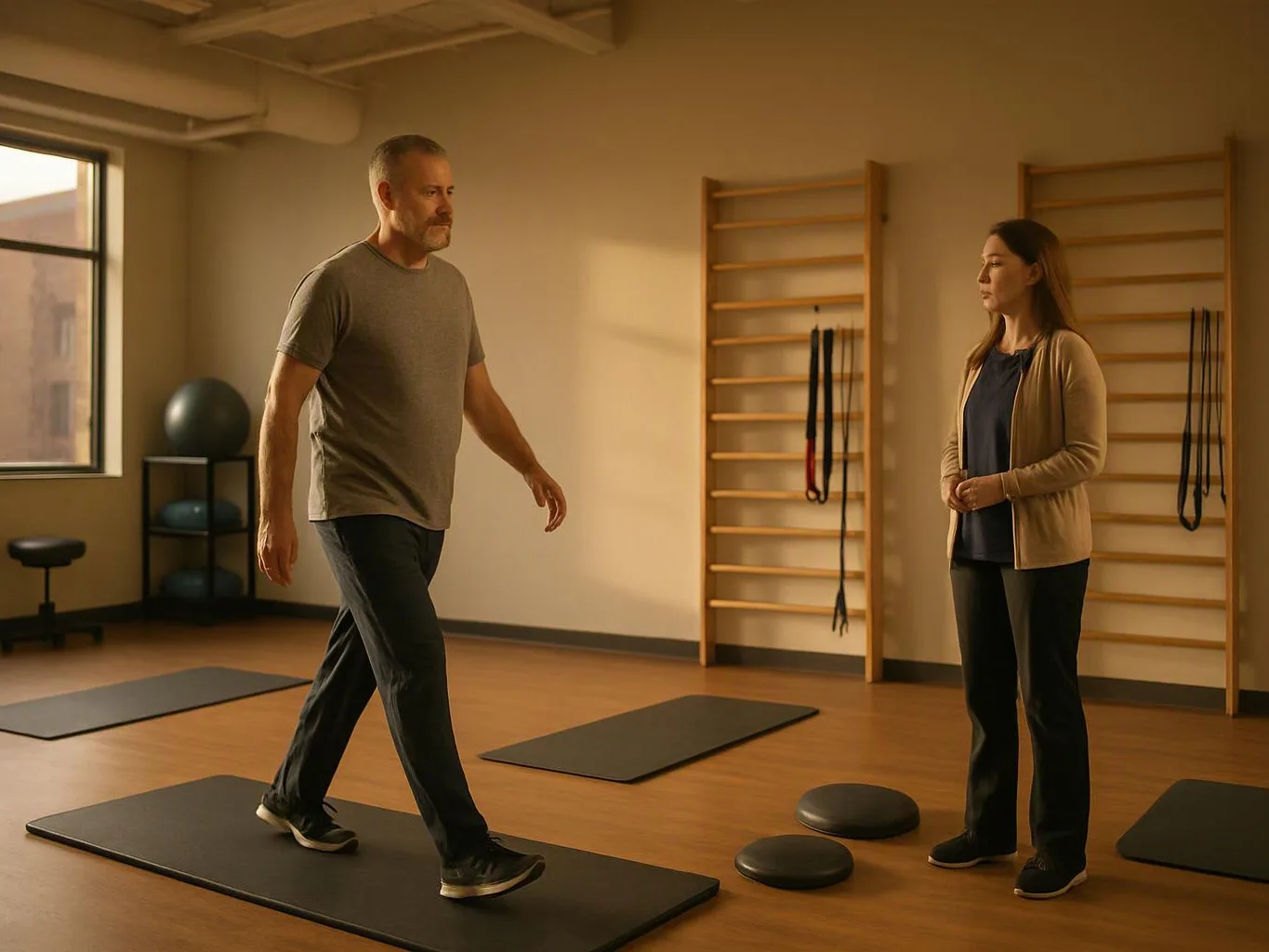
The health history and physical evaluation decide the treatment scope. We review symptoms, movement, prior injuries, and daily limits before discussing care. X-rays may be considered when clinically indicated. The report of findings then connects the assessment to methods such as Cox flexion-distraction, diversified adjustments, or rehabilitation. Patients can ask questions before accepting a care plan.
How does a medical clinic visit move from the first call to the last step?
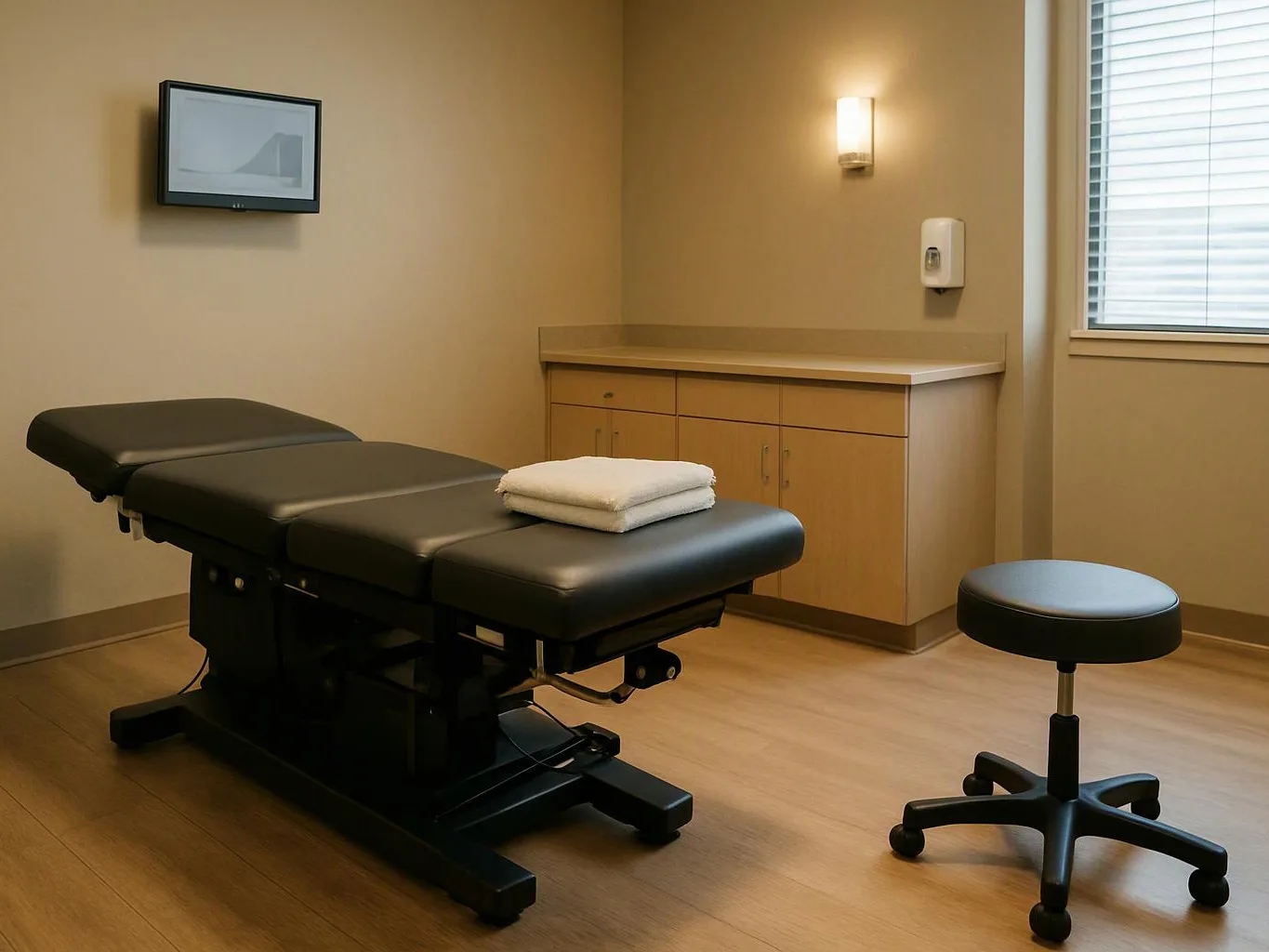
The visit moves from intake to evaluation, findings, treatment planning, and progress review. We first gather health history and symptom details. Next, we assess movement and discuss suitable methods. Care may include adjustments or rehabilitation, followed by progress re-examination. Accident-related patients can also discuss treatment and insurance coordination.
What should I bring to a first chiropractic appointment?
Bring a list of current medicines, prior injury details, health records, and accident information. These details help us understand the symptoms and plan the evaluation. Patients should also describe when the problem began and which movements affect it. Clear history supports safer decisions about adjustments, traction, and rehabilitation.
Which material changes how long treatment takes?
No single treatment material sets the care timeline. The condition, exam findings, response to care, and selected methods affect the plan. Kinesio tape, TheraBand exercises, TENS therapy, and traction serve different purposes. We review progress during care and adjust the plan when the patient’s function or symptoms change.
Why might spinal decompression differ from an adjustment?
Spinal decompression and chiropractic adjustments use different treatment approaches. Decompression applies guided traction, while an adjustment uses a specific manual or instrument-based technique. The best fit depends on the evaluation, symptoms, and clinical goals. We explain the reason for a recommended method before adding it to the care plan.
When should accident-related pain receive an evaluation?
Accident-related pain should receive an evaluation when symptoms, stiffness, or movement limits affect daily activity. We document the injury history and assess related musculoskeletal concerns. Patients may discuss legal referral connections and insurance coordination with our team. Severe symptoms or warning signs need prompt medical attention outside routine chiropractic care.