What problems can affect chiropractic adjustment results?
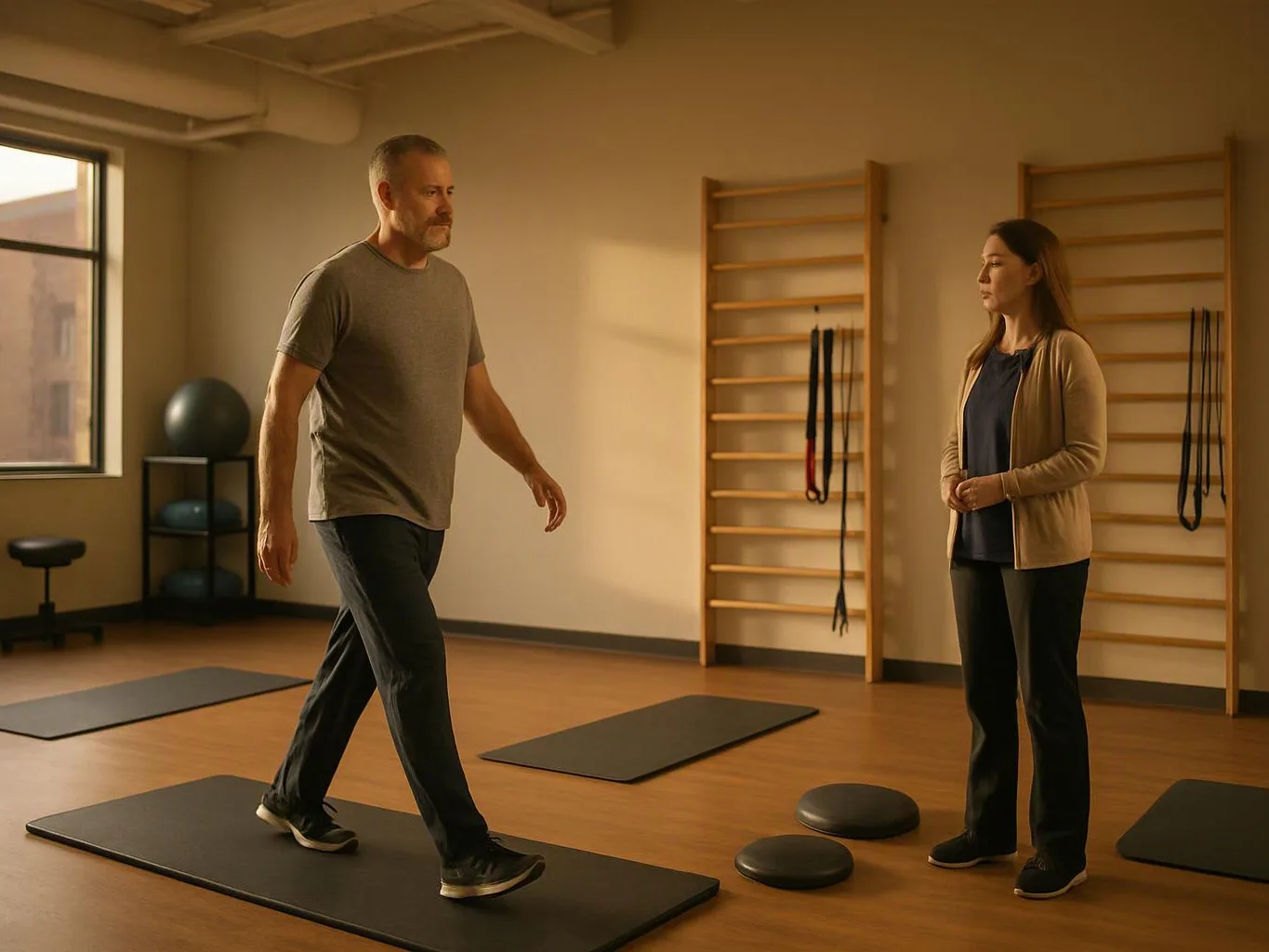
Poor posture, muscle guarding, limited mobility, and incomplete follow-up can affect adjustment results. Our exam checks how each issue changes joint motion and treatment tolerance. We then match the technique and rehabilitation plan to those findings. Individual response differs, so progress re-examination helps us decide whether care should continue, change, or pause.
How is adjustment care matched to my condition before treatment starts?
The health history and physical exam guide the treatment method before adjustment care starts. We review symptoms, prior injuries, joint motion, muscle tension, and daily activities. X-rays may be considered if clinically indicated. The report of findings then explains whether diversified adjustments, Activator Method techniques, decompression, or rehabilitation fits.
Which condition changes the time needed for adjustment care?
Limited mobility can change the time needed for assessment and treatment. Muscle guarding, injury history, symptom location, and the need for rehabilitation also shape the visit. We review these factors during intake and explain the next step after the examination. No fixed treatment duration applies to every patient.
What should I ask before agreeing to adjustment care?
Ask which finding supports the recommended technique and how progress will be checked. You can also ask about the role of rehabilitation, possible alternatives, and when another medical evaluation is needed. Our team explains the report of findings and treatment plan before care proceeds, so you can make an informed choice.
Can adjustment care help after a car accident?
Accident-related adjustment care may address whiplash, neck pain, back injuries, and mobility limits. We record the injury history and examine movement before selecting treatment. Personal-injury patients may also use our legal referral network for attorney connections and help coordinating treatment and insurance matters.
Should older adults receive spinal adjustments?
Older adults may receive adjustment care when an examination shows that it fits their health needs. We review medical history, medications, mobility, and symptom changes before choosing a method. Gentle or instrument-based techniques may be considered when appropriate, but urgent or unexplained symptoms need medical evaluation first.
What is a warning sign that adjustment care may not fit?
Severe, unexplained, or rapidly changing symptoms can signal the need for medical assessment before adjustment care. We ask about symptom onset, injury, health history, and changes in function during intake. Our team refers care when the findings fall outside chiropractic treatment, and we don't promise an outcome.