How does ergonomic setup help reduce physical strain?
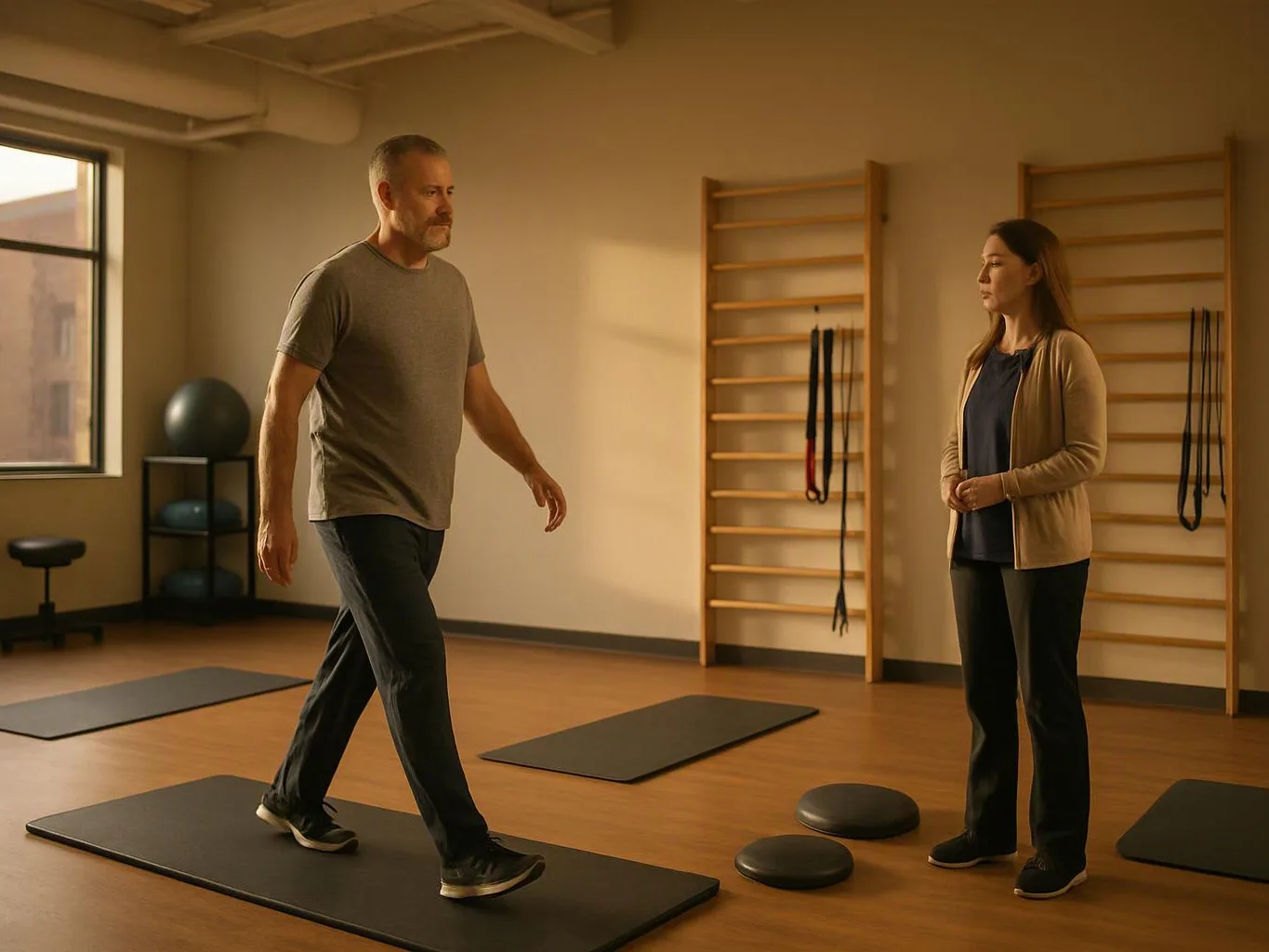
Ergonomic setup reduces physical strain by supporting better shoulder position, spinal alignment, and movement habits. The evaluation looks at how you sit, stand, work, drive, and lift. We then connect those findings with adjustments, soft tissue therapy, or rehabilitation when appropriate. Small changes may help, but individual response depends on the cause of the strain.
What should be ready before posture correction starts?
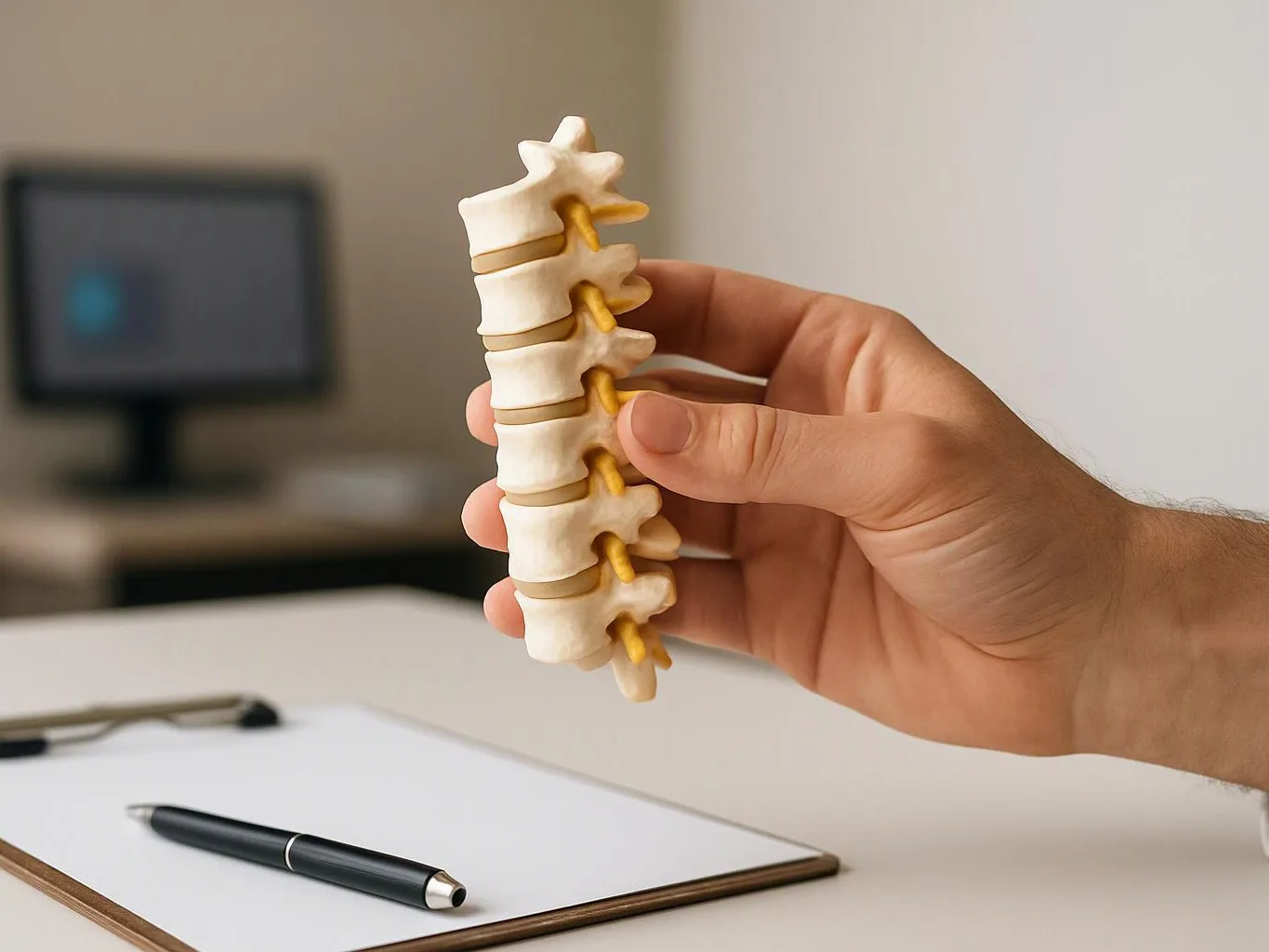
Your symptom history, injury details, current medicines, and daily activity notes should be ready first. Bring information about prior care and any accident or workplace injury. A health history and exam guide the plan, while X-rays are considered if clinically indicated. Clear details help us avoid choosing care without the right context.
Which condition changes the time needed for posture care?
The condition driving the posture problem changes the time and type of care needed. Neck pain, sciatica, whiplash, disc-related pain, and soft-tissue injury each require a different review. The exam also considers mobility limits and symptom response. We explain the next step after the findings, without promising a fixed treatment schedule.
Why might shoulder tension continue after an adjustment?
Shoulder tension may continue when daily movement habits or soft-tissue limits remain. An adjustment addresses joint motion, but the wider plan may also need soft tissue therapy, kinesiology tape, traction, or rehabilitation. We review work position, sleep habits, and activity demands when symptoms return. Persistent or worsening symptoms need another clinical assessment.
What should a customer ask before agreeing to posture care?
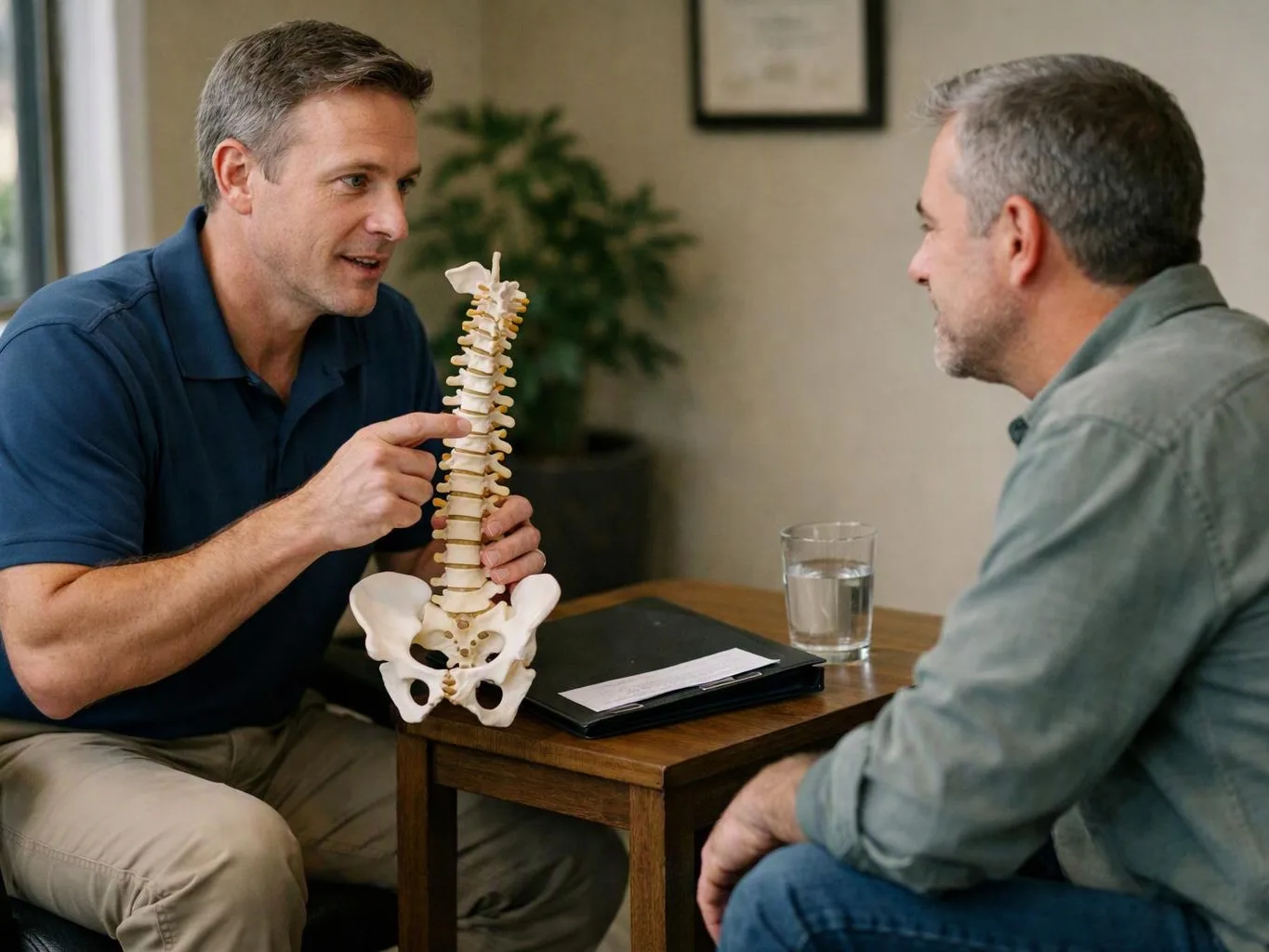
Ask what the evaluation found, which method is recommended, and how progress will be reviewed. You should also ask what symptoms need medical attention outside routine chiropractic care. Our team explains the report of findings and the proposed plan before treatment. Free consultations give you a chance to discuss fit and next steps.
Can posture care help after a car or workplace accident?
Posture care may help address movement limits linked to whiplash, back injury, or soft-tissue strain after an accident. The health history and exam come first, and the plan depends on the injury. Personal-injury patients can use our legal referral network while treatment and insurance matters are coordinated. Individual results vary.
How do I know when posture strain needs urgent medical care?
Sudden weakness, loss of bladder or bowel control, severe unexplained pain, or major loss of balance needs prompt medical attention. Routine posture care is not the right first step for those warning signs. Tell our team about new numbness, spreading pain, or a recent serious injury during intake so we can guide the next decision.