What habits can interfere with posture correction?
Poor sleep posture, slouched sitting, screen positioning, and weak muscles can interfere with posture correction. These habits may keep your neck, shoulders, or back in strained positions between visits. We review how you sleep, sit, work, and move during the intake and exam. Your plan can then include adjustments and rehabilitation that address the habits tied to your symptoms.
What should I ask before agreeing to posture care?
Customers should ask what the exam found, which methods fit their symptoms, and how progress will be reviewed. Clear answers should cover the health history, treatment options, rehabilitation work, and any limits of care. We explain the report of findings before recommending a plan. You can also ask what signs would require medical assessment.
How is posture care matched to my needs before treatment starts?
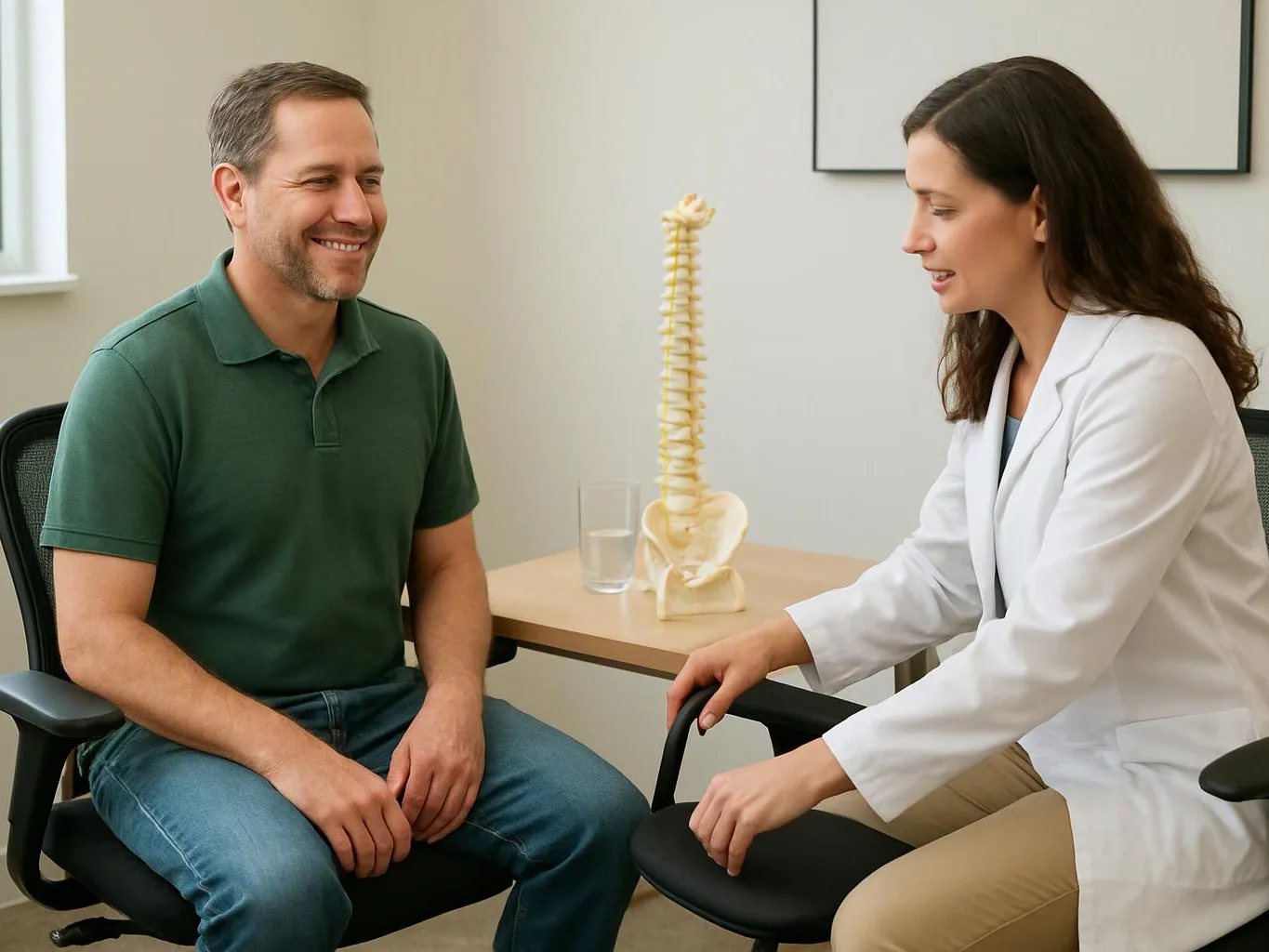
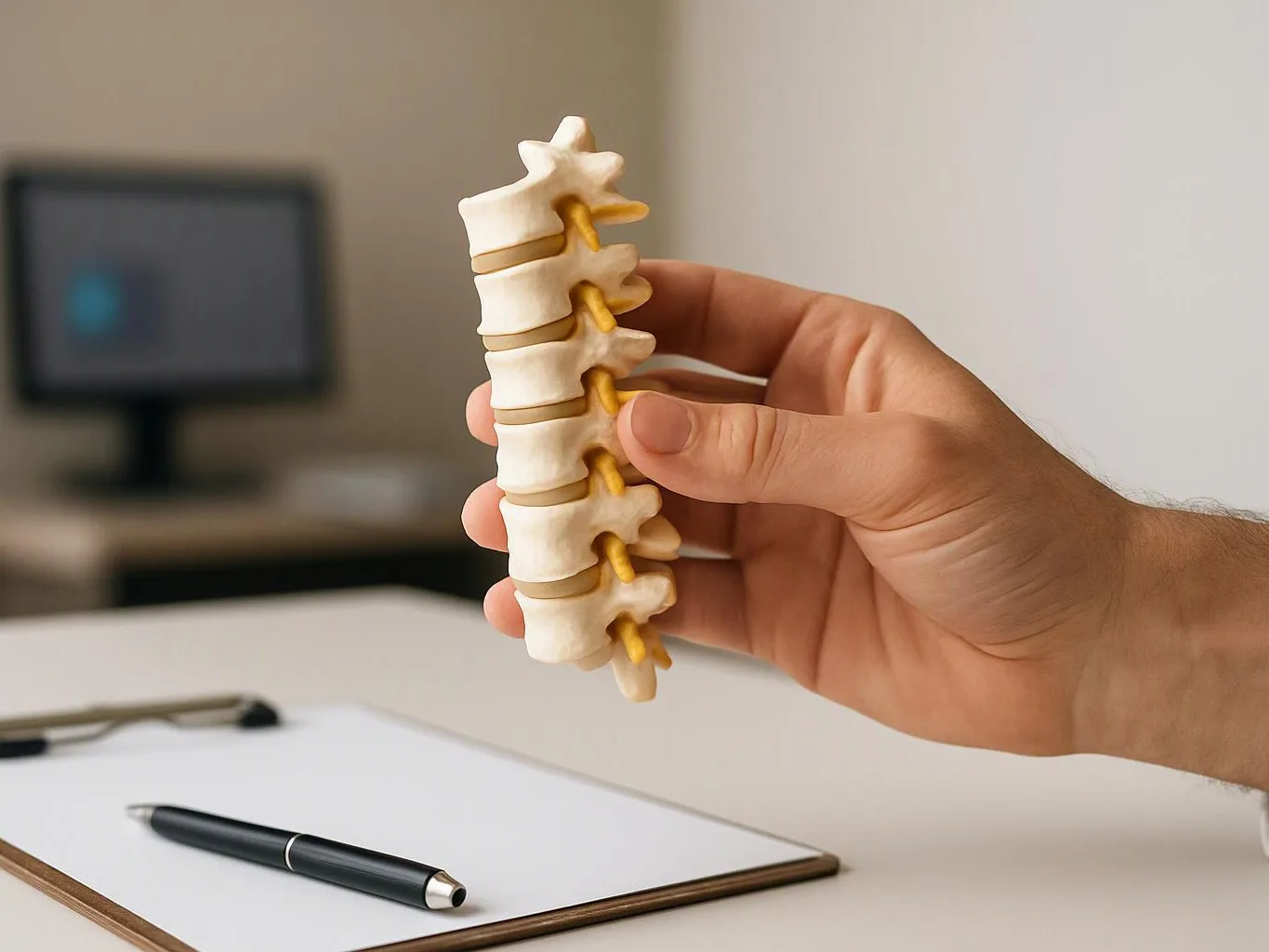
A health history and physical examination guide the treatment plan before care starts. The review includes symptoms, movement, prior injuries, and daily posture habits. We may consider diversified adjustments, Cox flexion-distraction, soft tissue therapy, or rehabilitation based on those findings. Individual response differs, so progress re-examination helps guide later decisions.
Which condition changes the time needed for posture care?
The condition that most changes care time is the complexity of your symptoms and movement limits. A history of injury, radiating pain, or limited mobility may require a fuller assessment before treatment choices are made. We review those findings during intake and explain the next step. No fixed treatment duration applies to every patient.
Why do screens make my posture feel worse?
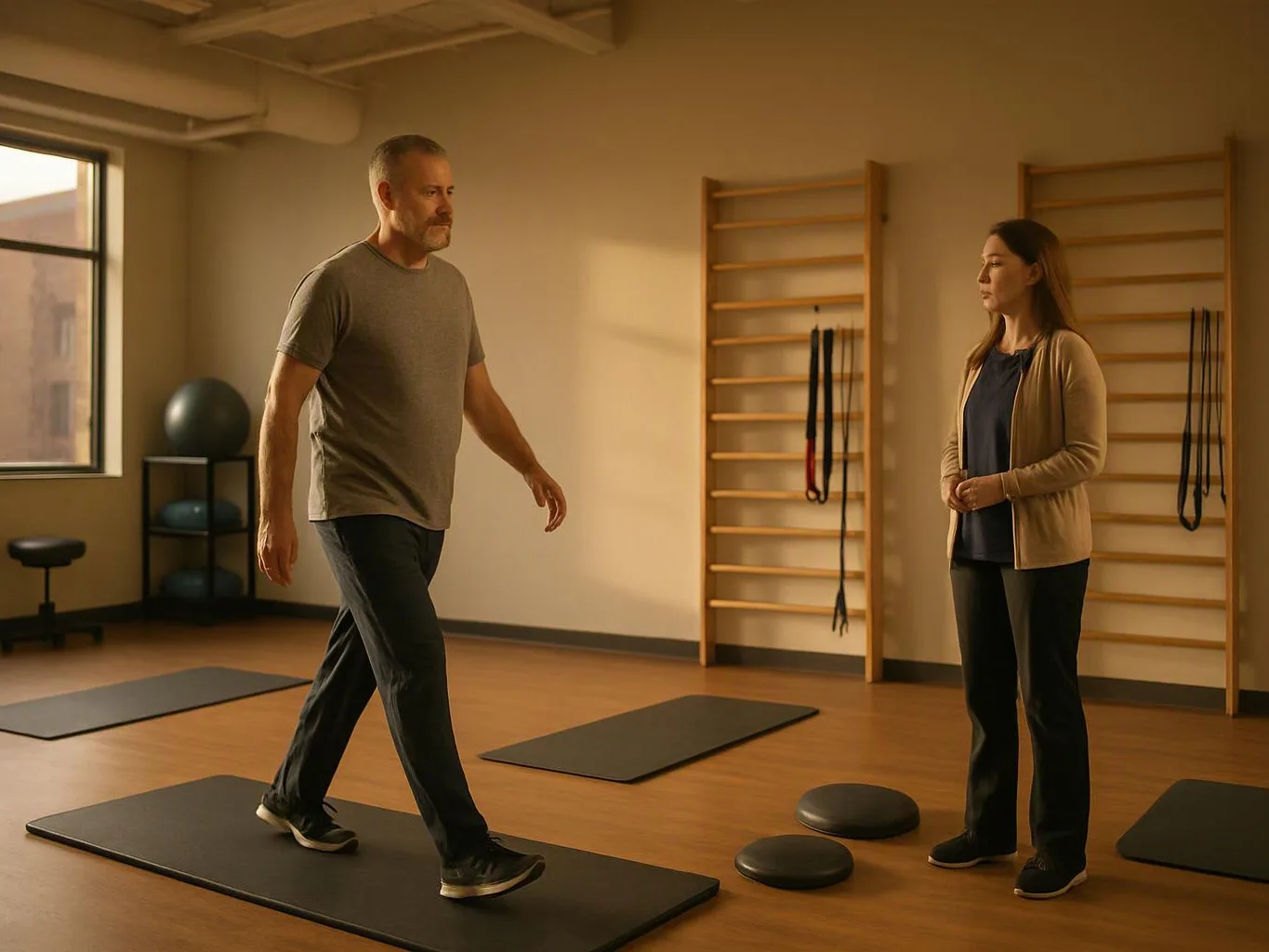
Screen use can worsen posture symptoms when your head, shoulders, and spine stay in one position for long periods. Screen height, sitting support, and movement breaks all matter. We ask about your work or study setup and check related neck and back movement. Rehabilitation may help you practice better control during daily tasks.
When should posture concerns receive another medical assessment?
Worsening symptoms, severe unexplained pain, or signs that do not fit a routine musculoskeletal concern call for medical assessment. Posture care does not replace evaluation for serious illness or injury. We review your history and symptoms before treatment, and we explain when another type of care may be more suitable. Tell us about new or changing symptoms.
Who provides posture correction for patients in Franklin?
Arrowhead Clinic Chiropractor Newnan provides posture correction for patients in Franklin and Heard County. Dr. Frank Bostic leads the Newnan practice and holds board certification in Chiropractic and Physiotherapy. Our team evaluates posture-related symptoms and may use adjustments, rehabilitation, soft tissue therapy, or TENS therapy when those options fit the findings.