What mistakes can reduce corrective exercise therapy results?
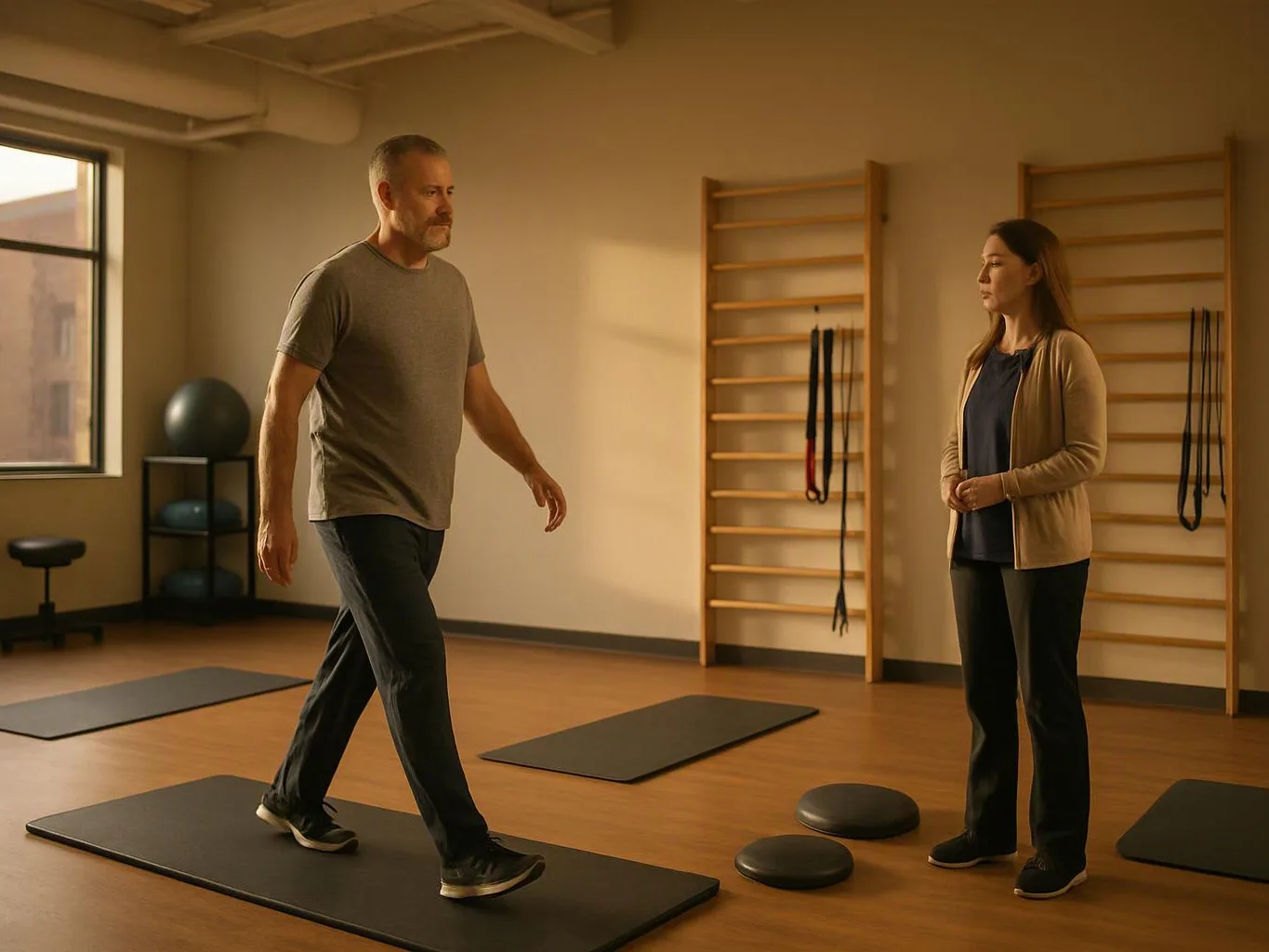
Limited recovery often follows poor technique, excessive loading, or inconsistent practice. Form problems can place stress on the wrong area. A load that exceeds your control can increase symptoms. Skipping practice can make movement gains harder to maintain. Our team checks these issues during the exam and adjusts the plan to fit your current ability.
Who provides corrective exercise therapy for patients in Franklin?
Arrowhead Clinic Chiropractor Newnan provides corrective exercise therapy through its chiropractic and injury rehabilitation practice. Dr. Frank Bostic leads the Newnan office and holds board certification in Chiropractic and Physiotherapy. Our team uses health histories, movement exams, and personalized rehabilitation programs to guide care for pain, injury, and mobility limits.
How can I tell whether corrective exercise therapy fits my symptoms?
Corrective exercise therapy fits symptoms linked to movement limits, poor control, or injury recovery. A health history and exam help identify whether guided exercise is suitable. Share pain that worsens with movement, prior injuries, and any exercise that feels unsafe. We can then discuss whether rehabilitation, chiropractic care, or another step fits the findings.
Which part of the exercise plan decides the needed level of care?
Exercise form and current movement control help decide the needed level of care. We watch posture, joint motion, range, and the symptoms that appear during practice. A plan may include soft tissue therapy, TENS therapy, or chiropractic methods when those findings support it. The exercise list alone does not decide the plan.
What should I bring to my first corrective exercise consultation?
Your symptom history, prior injury details, current medications, and exercise concerns help us prepare for the consultation. Bring any written exercise plan that causes pain or feels hard to control. Accident patients should also share relevant claim or treatment information. These details support a more focused health history and exam.
Can exercise loading make back or neck pain worse?
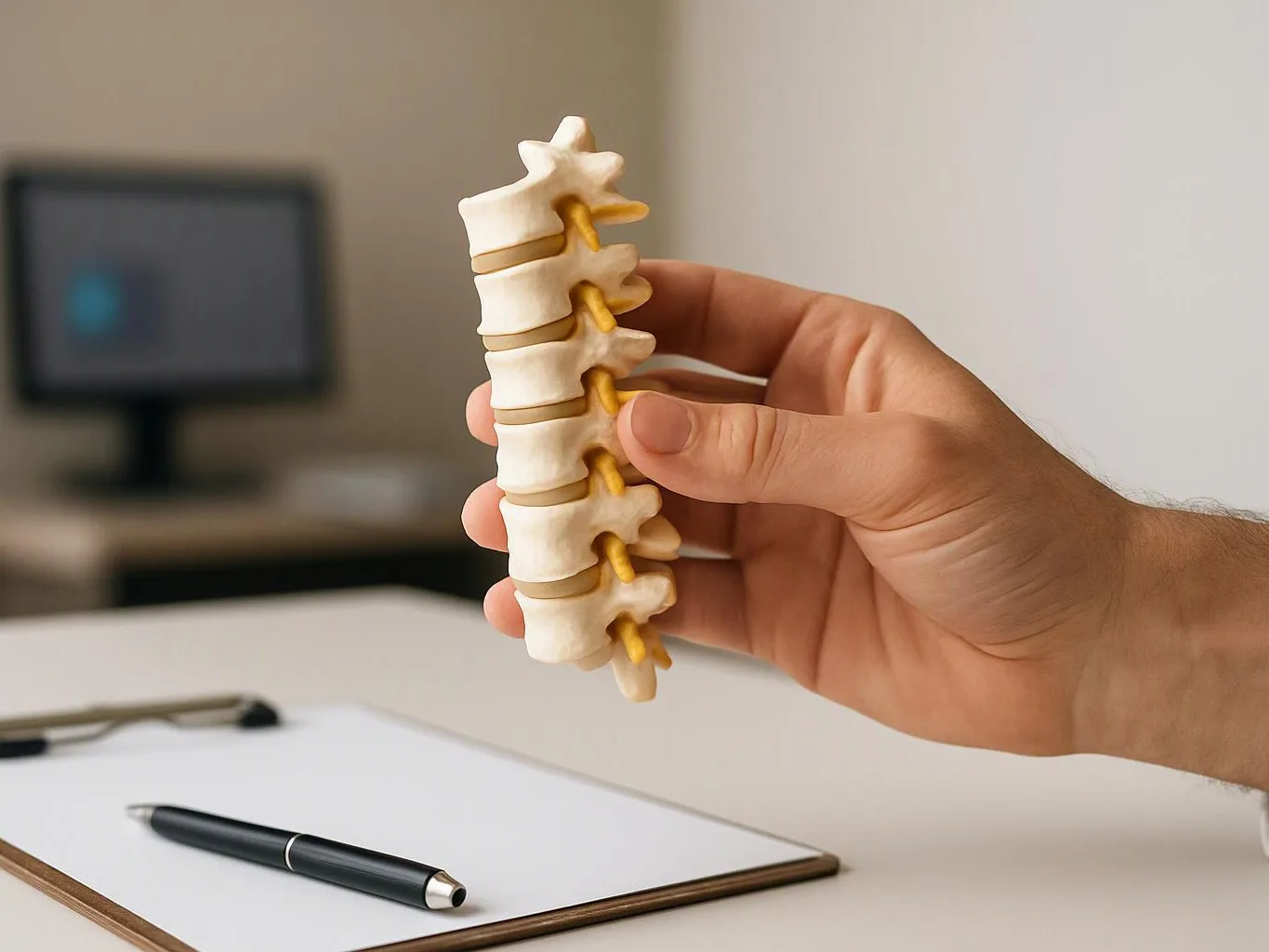
Excessive loading can worsen back or neck symptoms when control does not match the demand. We check the movement, load, range, and pain pattern before changing the exercise. A lower load or different movement may fit better. Contact us for an assessment if symptoms are severe, new, or unclear.
What makes a personalized rehabilitation program different from a general exercise list?
A personalized rehabilitation program connects each exercise to your exam findings and movement limits. We explain form, loading, and the reason for each change. The plan can account for sciatica, whiplash, soft-tissue injury, or joint pain. Progress re-examination helps us decide whether the program still fits your needs.