What signs indicate a need for posture correction?
Uneven hips can signal a need for posture correction when they appear with pain, fatigue, or limited movement. Rounded shoulders, forward head position, and recurring back fatigue also matter. Arrowhead Clinic Chiropractor Newnan reviews these signs during a patient evaluation. The exam helps separate a posture concern from an injury that needs a different care path.
How can I tell whether posture care fits my symptoms?
Posture care fits symptoms linked with alignment, movement limits, or repeated muscle strain. A health history and exam help us decide whether chiropractic care matches the concern. We also review headaches, neck pain, back pain, and joint motion. Severe or sudden symptoms may need medical assessment before posture-focused care.
Which part of the body decides the care scope?
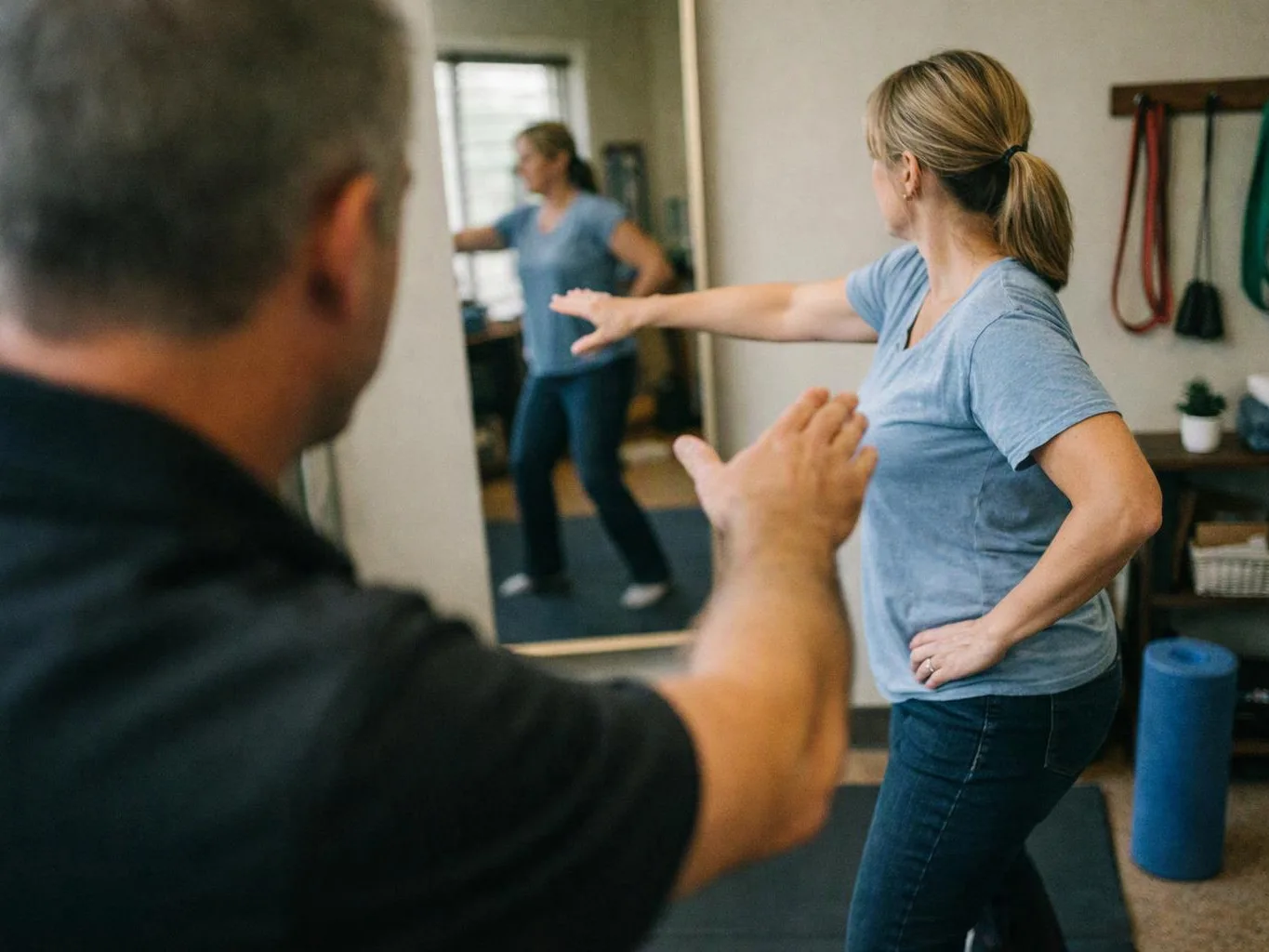
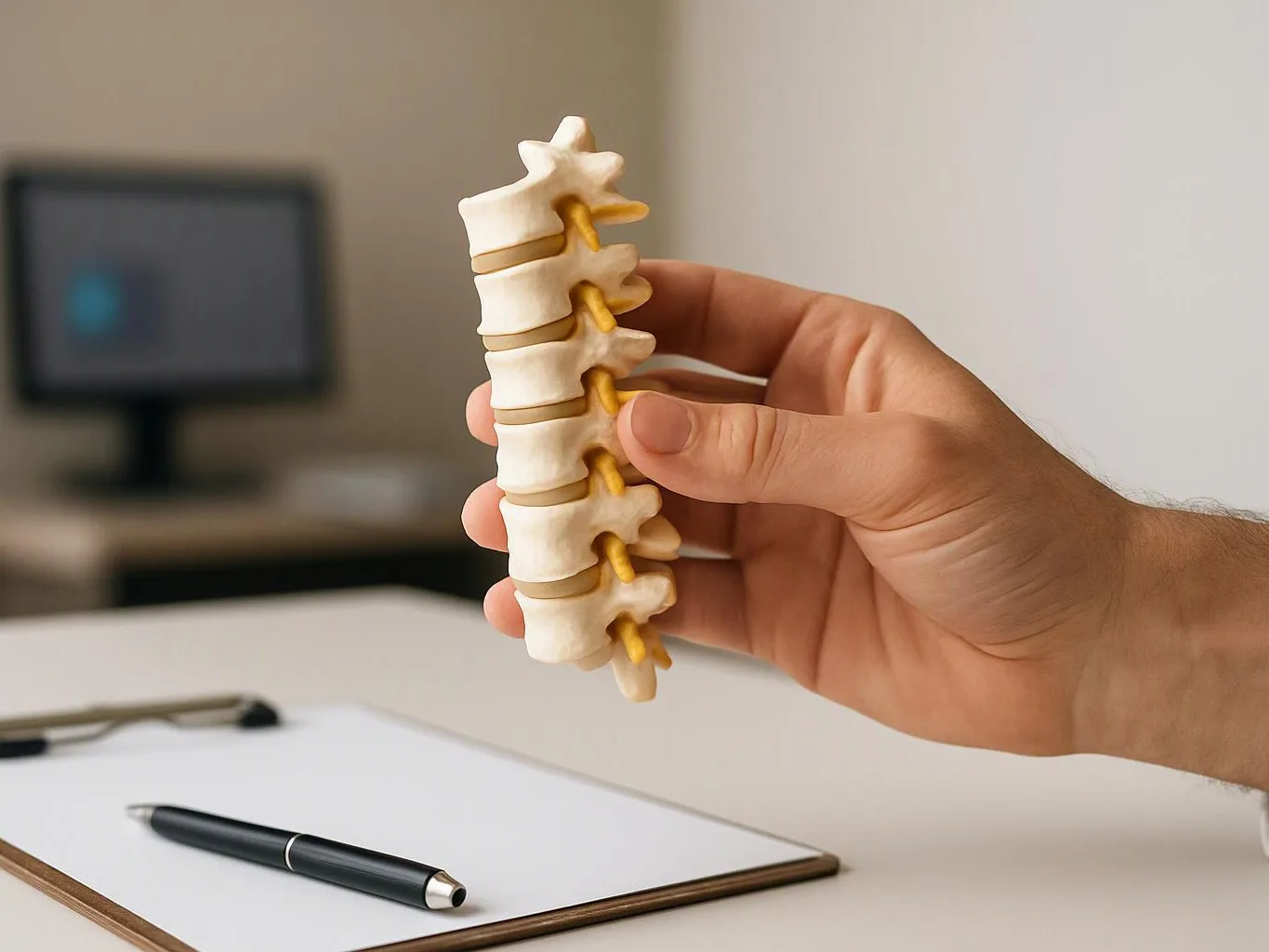
Spinal motion and related joint function help decide the scope of posture care. The evaluation also reviews the neck, back, shoulders, hips, and soft tissues. These findings guide the choice of adjustments, traction, or rehabilitation. We explain the findings in a report before setting the treatment plan.
What changes the cost of a posture care visit?
The evaluation, selected methods, and rehabilitation needs change the cost of posture care. A plan that includes adjustments differs from one that also uses traction, TENS therapy, or soft tissue therapy. We explain the recommended services before treatment. Free consultations give patients a way to discuss the care scope first.
Which material changes how long posture care takes?
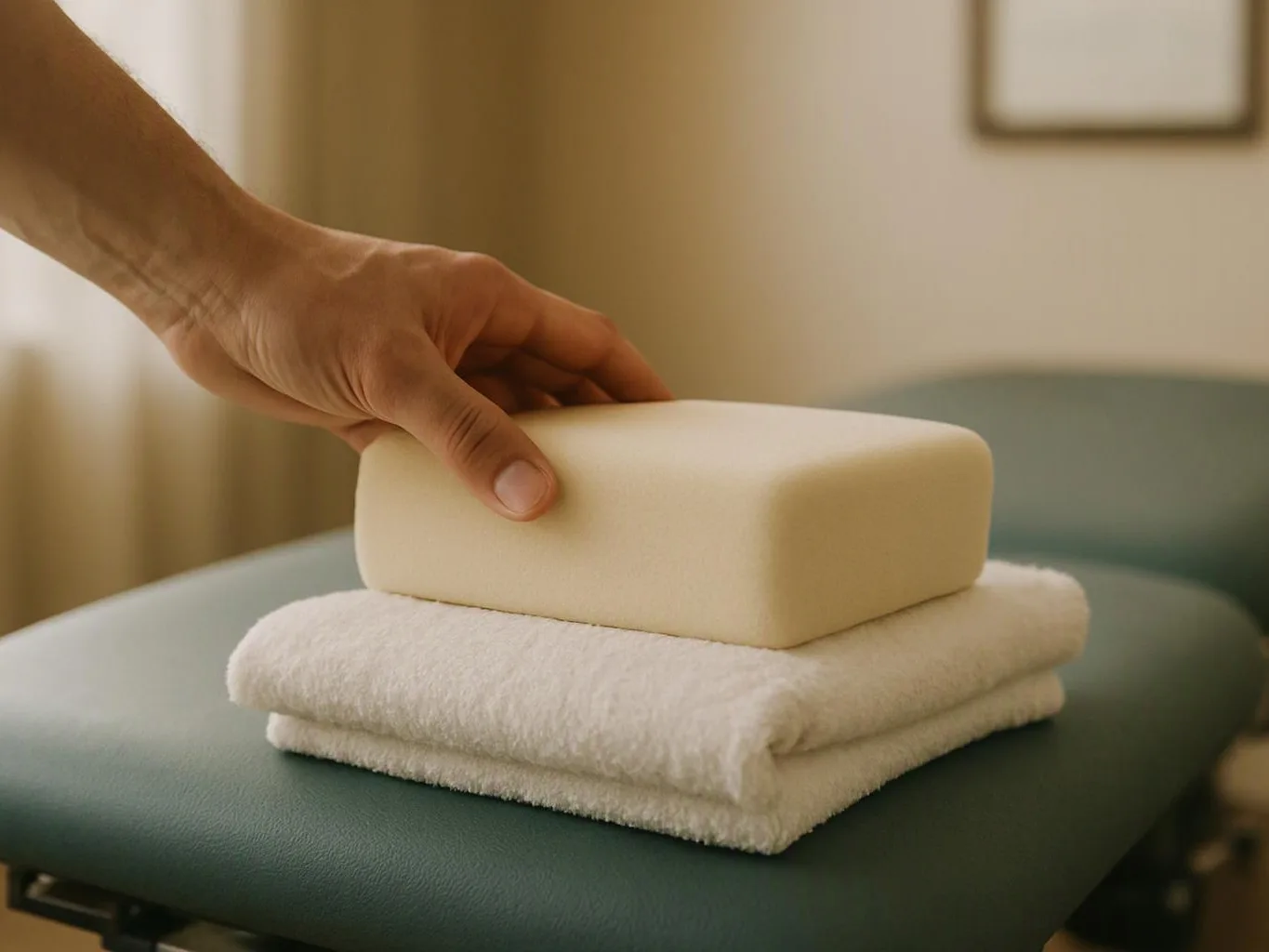
Kinesiology tape can change visit needs because skin, movement, and symptom response affect how it is used. The larger time factor is the patient’s findings and selected treatment plan. We review progress during care and adjust the plan when the exam supports a change. No fixed treatment duration applies to every patient.
Why might my posture symptoms keep returning?
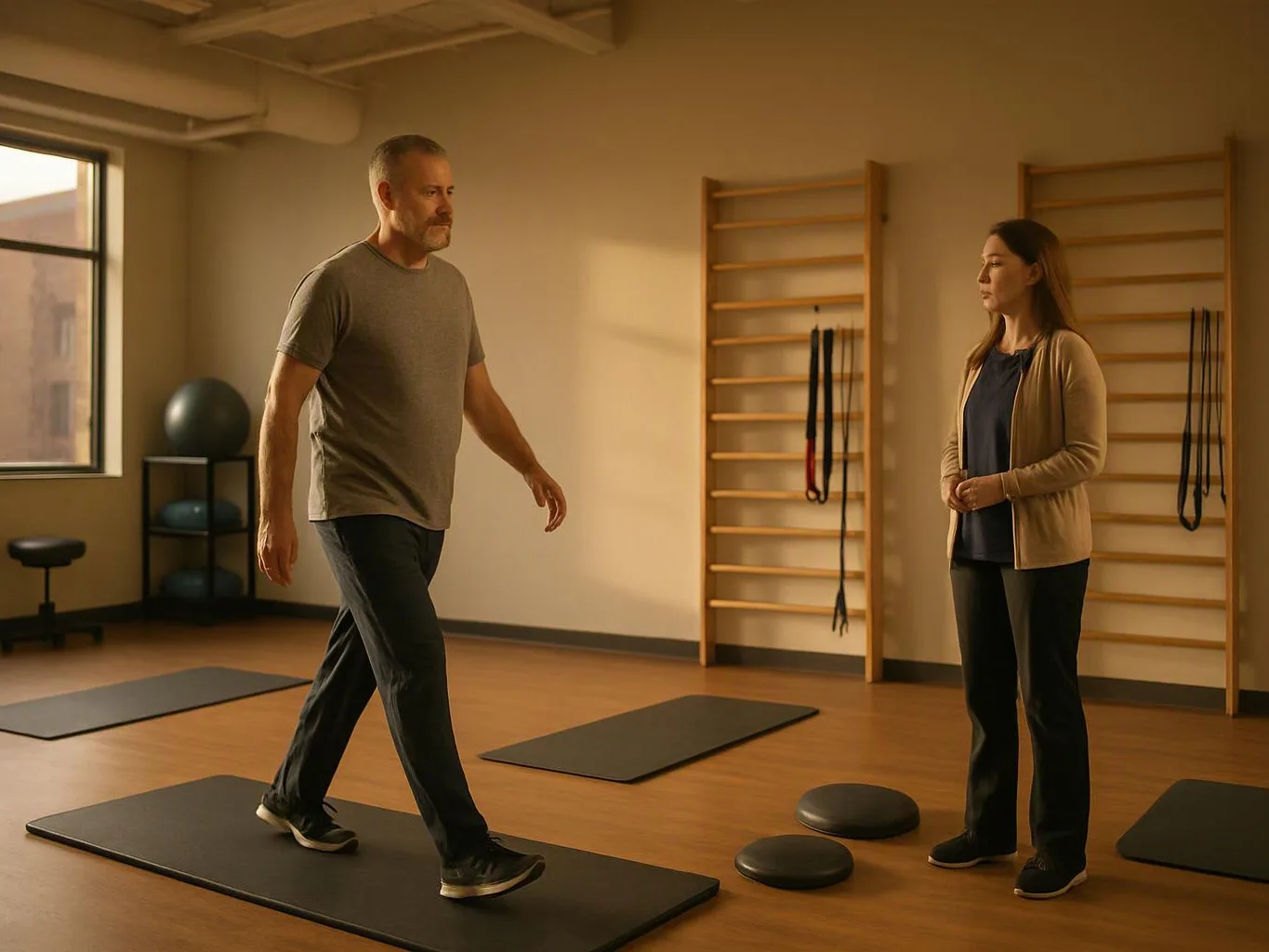
Posture symptoms may return when movement habits, joint limits, or muscle strain remain active. Our team reviews daily activities, spinal motion, and progress during follow-up visits. Rehabilitation can support better movement habits, while regular maintenance may help some patients preserve those gains. Individual response differs, so the plan follows the findings.
Can I request posture care after an accident?
Posture care may fit accident-related pain after an evaluation identifies the treatment needs. We assess symptoms linked with whiplash, neck injuries, back injuries, and soft-tissue strain. Personal-injury patients can also ask about our legal referral network and help coordinating treatment and insurance matters. The exam guides the clinical plan.