What methods are used for posture correction?
Strength training, postural exercises, workstation changes, and stretching techniques are common posture correction methods. We may also use diversified adjustments, Activator Method techniques, Cox flexion-distraction, or soft tissue therapy after an evaluation. The plan depends on your symptoms, movement limits, and health history. Individual response differs, so we review progress and adjust care when needed.
Which part of the body decides the scope of posture correction?
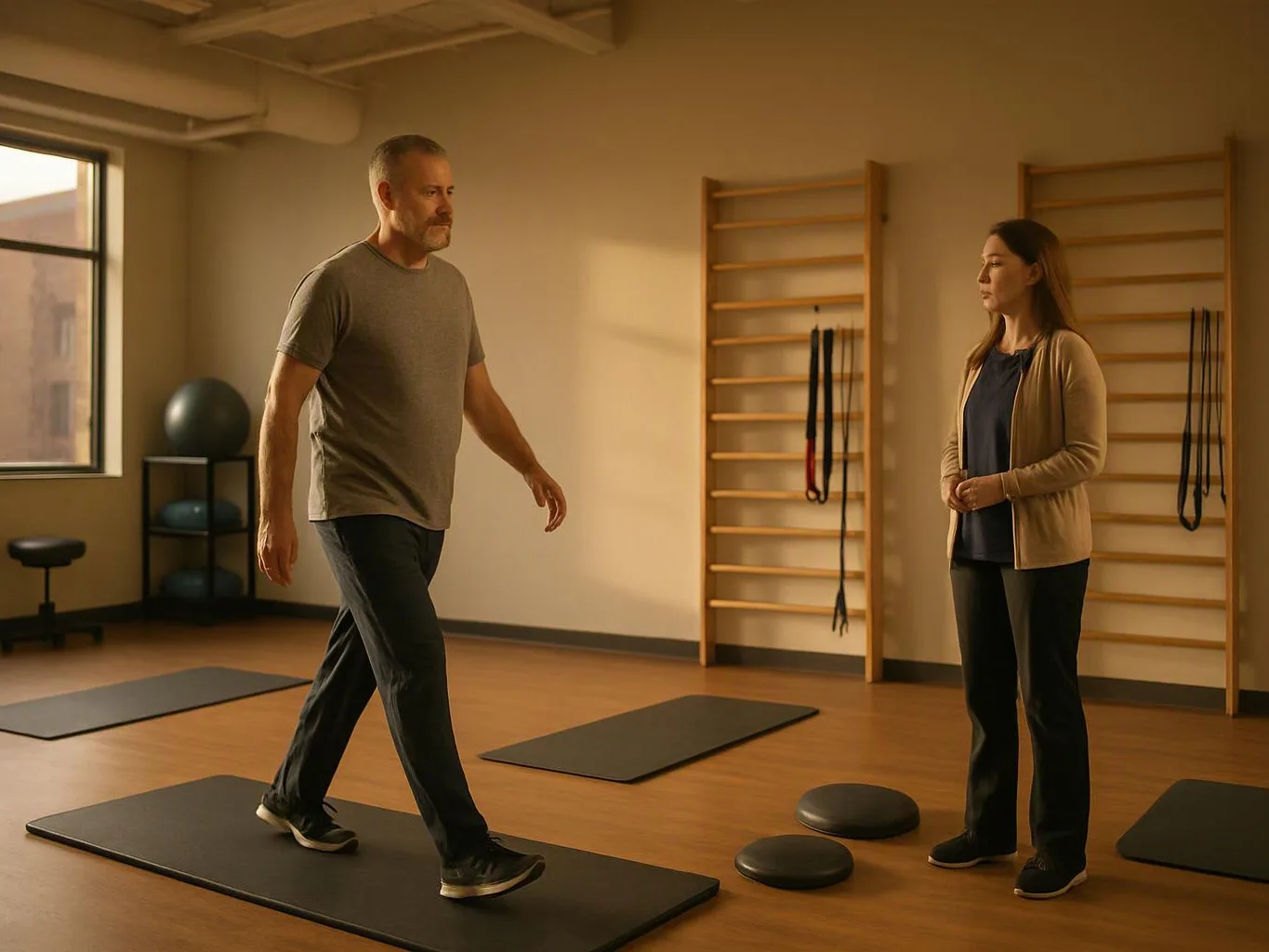
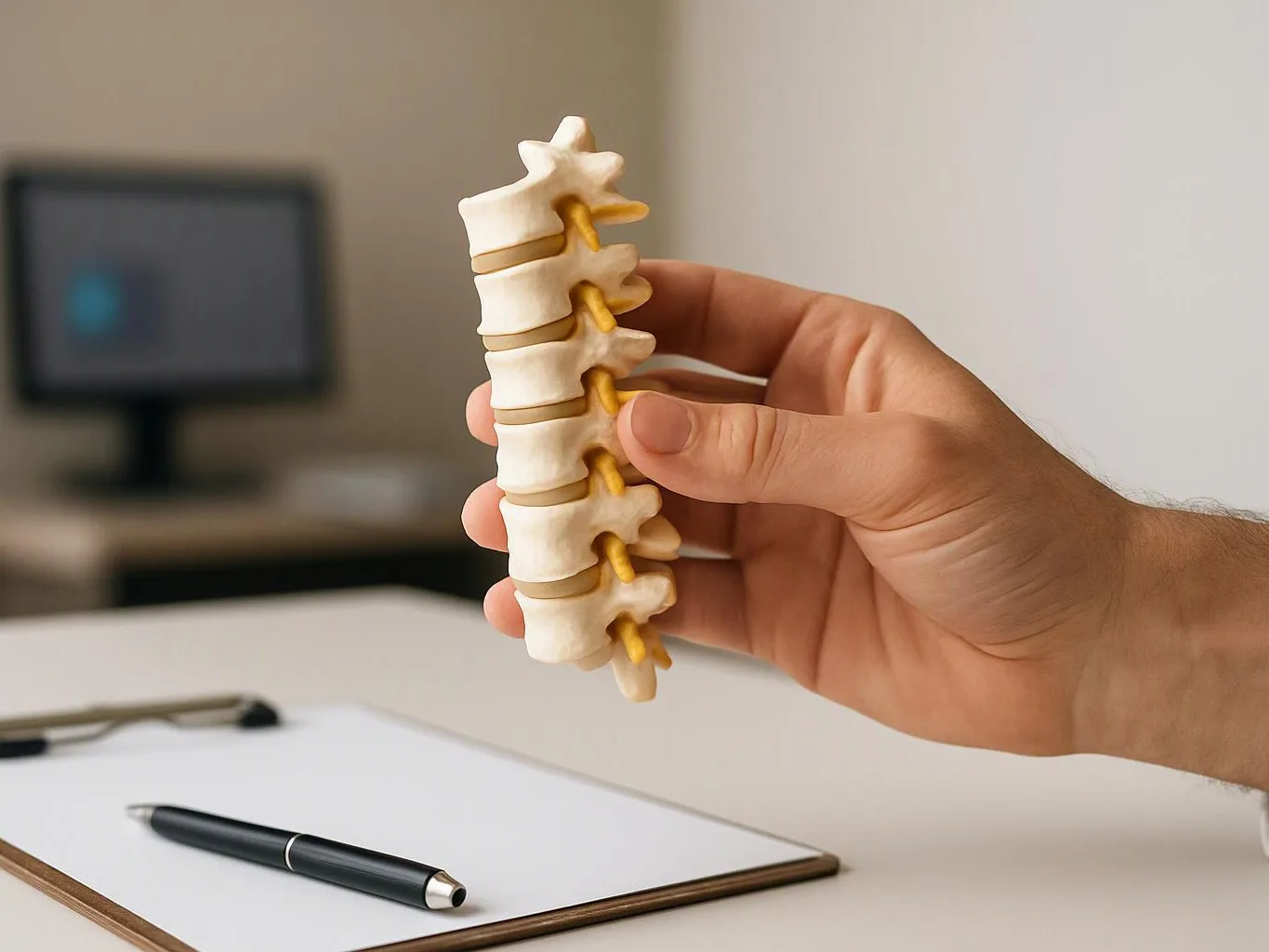
The spine, hips, shoulders, and surrounding muscles help determine the scope of posture correction. Your examination checks joint motion, muscle control, balance, and painful movements. Daily tasks also matter because sitting, standing, walking, and work positions can load the body differently. We use those findings to shape the rehabilitation plan.
Which material changes how long posture exercises take?
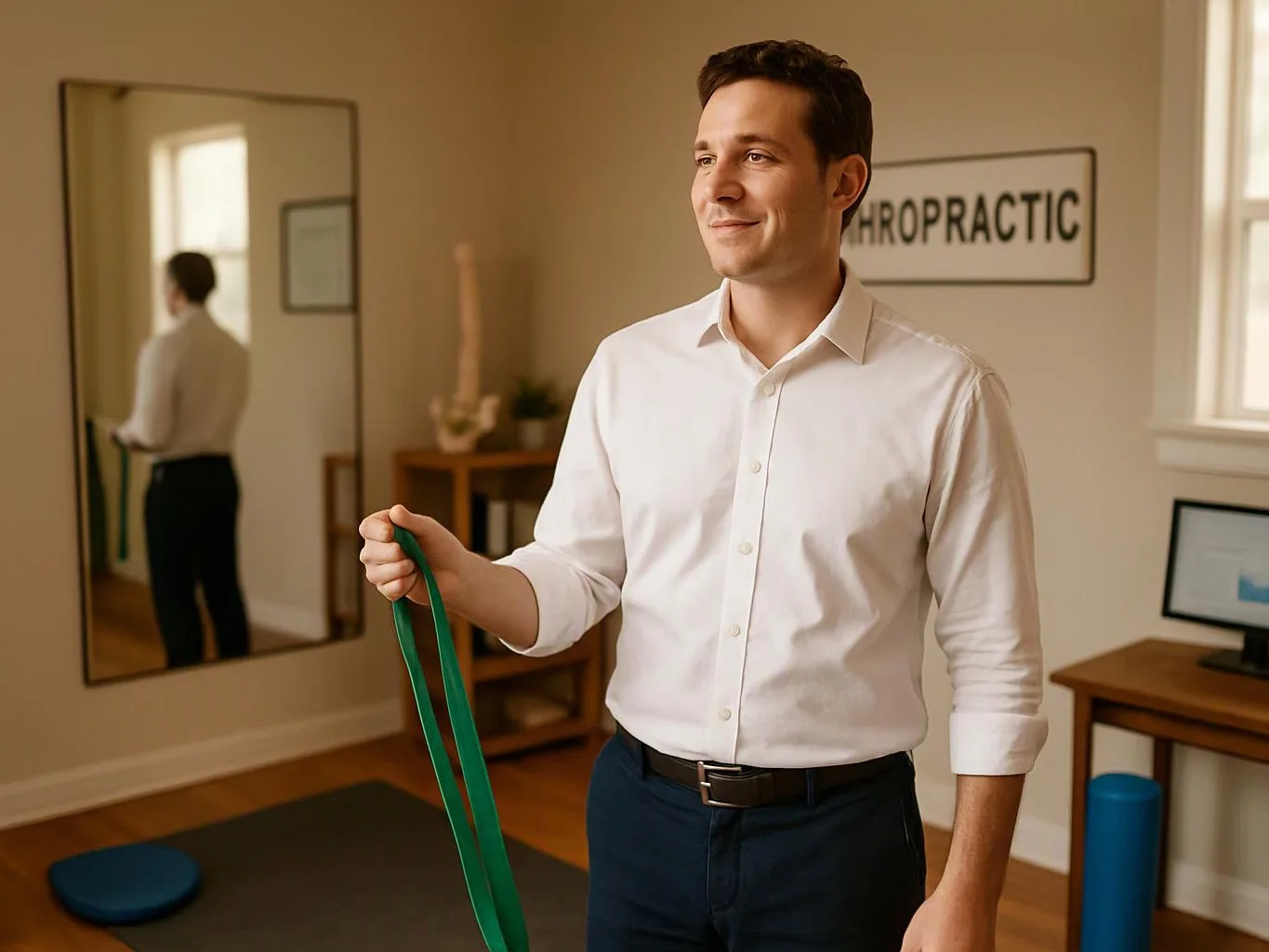
The main time factor is the exercise plan, not a physical material. TheraBand resistance, kinesiology tape, or a home exercise surface may change how an exercise is performed. We choose materials based on movement control and comfort. Your response, consistency, and progress review guide later changes to the plan.
How does a posture correction visit move from the first call to the last step?
A posture correction visit moves from consultation to evaluation, treatment, home guidance, and progress review. Arrowhead Clinic Chiropractor Newnan starts with your health history and movement concerns. We then explain findings, select appropriate care, and build rehabilitation steps. Later reviews help us decide whether adjustments, stretching, or exercises should change.
When should I ask about posture care after an accident?
Posture care deserves discussion after an accident causes neck pain, back pain, stiffness, or changed movement. An evaluation checks whiplash symptoms, soft tissue tension, joint motion, and mobility limits. Personal-injury clients can also discuss legal referral support and coordination around treatment matters. Severe symptoms still require prompt medical assessment.
Why can posture work include chiropractic adjustments?
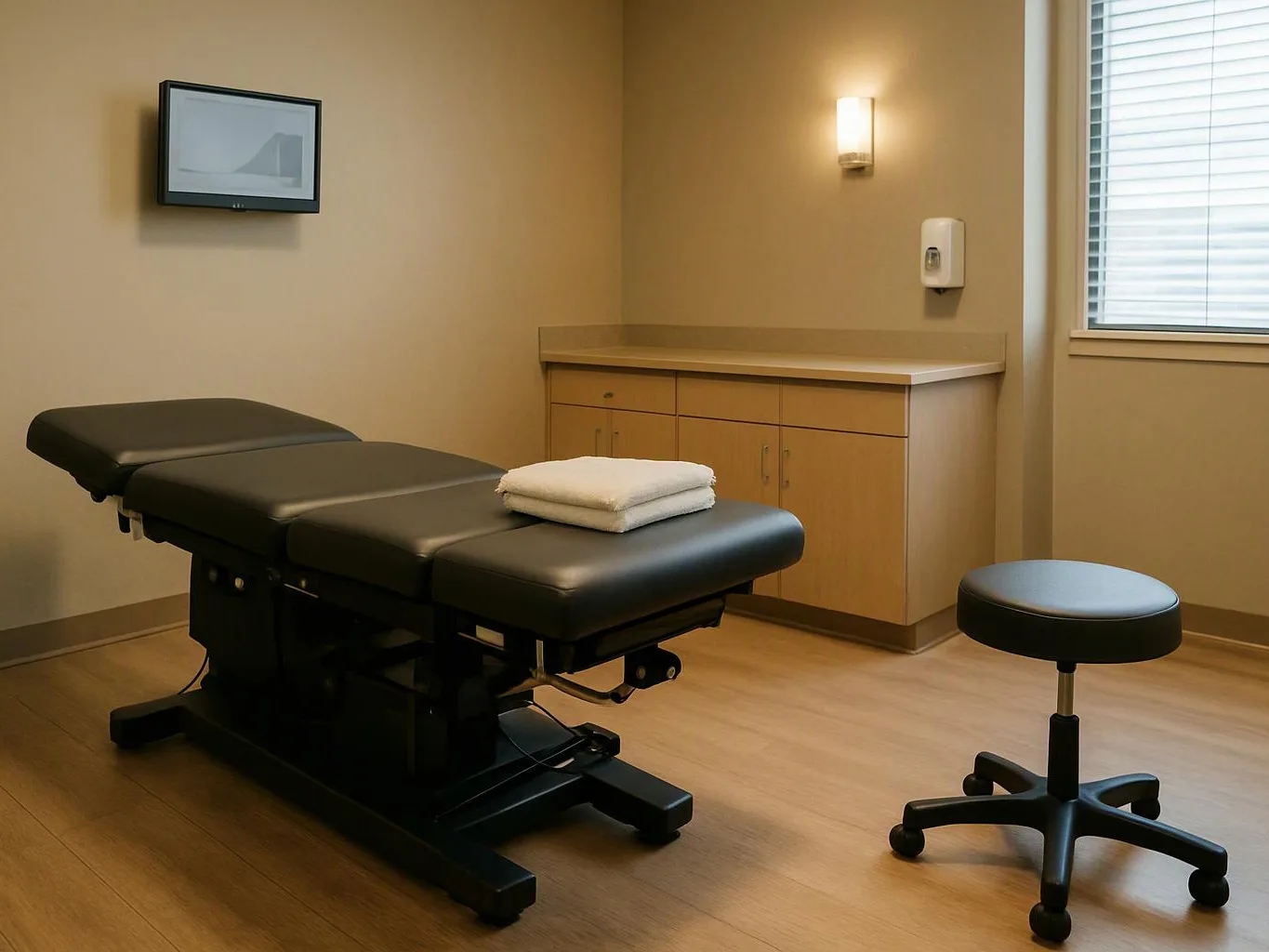
Chiropractic adjustments may address restricted joint motion that affects how you move and hold your body. We select diversified adjustments or Activator Method techniques after examining your symptoms and mobility. Adjustments do not replace active rehabilitation. Postural exercises, stretching, and daily movement changes help you practice control between visits.
What should I bring to my first posture consultation?
Bring a list of current medications, past injuries, health concerns, and movements that increase symptoms. Notes about work positions or exercise habits can also help the evaluation. If an accident caused the problem, bring available claim details and treatment records. We use this information with the examination to plan appropriate care.