What happens during a chiropractic adjustment?
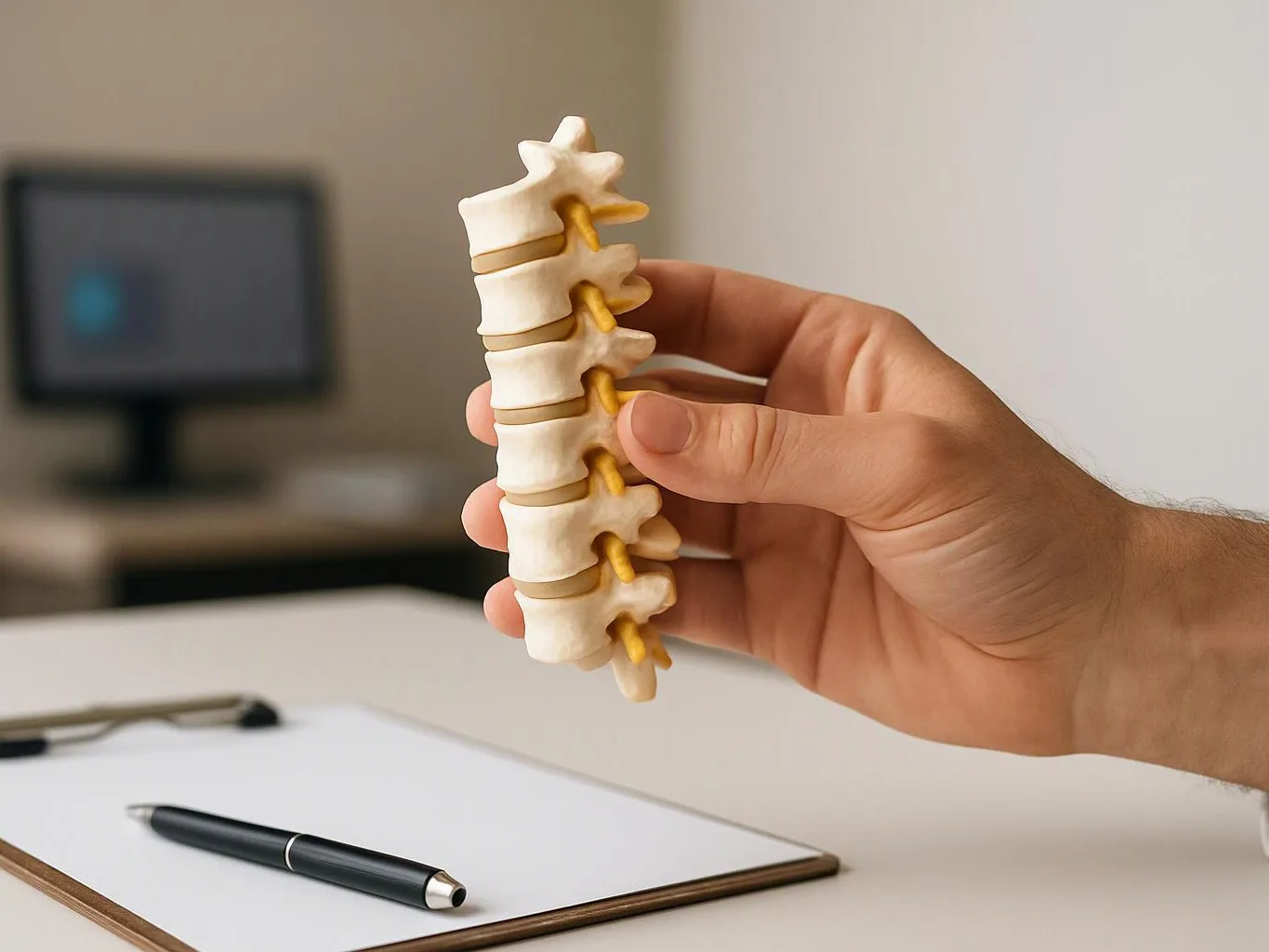
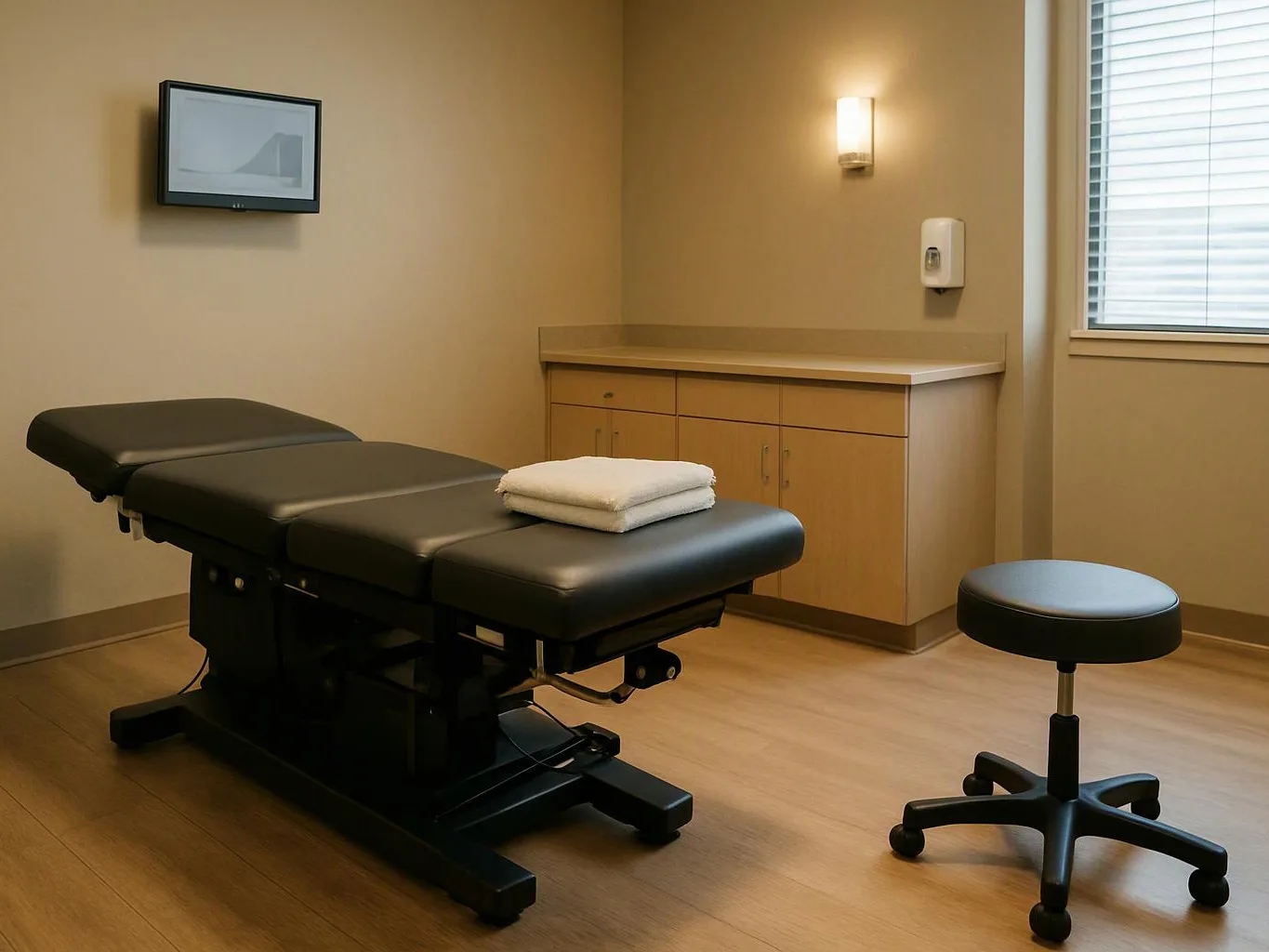
Aftercare guidance follows the adjustment and explains activity changes, symptom tracking, and follow-up needs. The visit starts with a health history and movement assessment. We then explain the selected method before using the adjustment table. Patient feedback matters throughout care, and the plan can include rehabilitation, traction, or soft tissue therapy when the findings support it.
What does the clinician look at first during an adjustment visit?
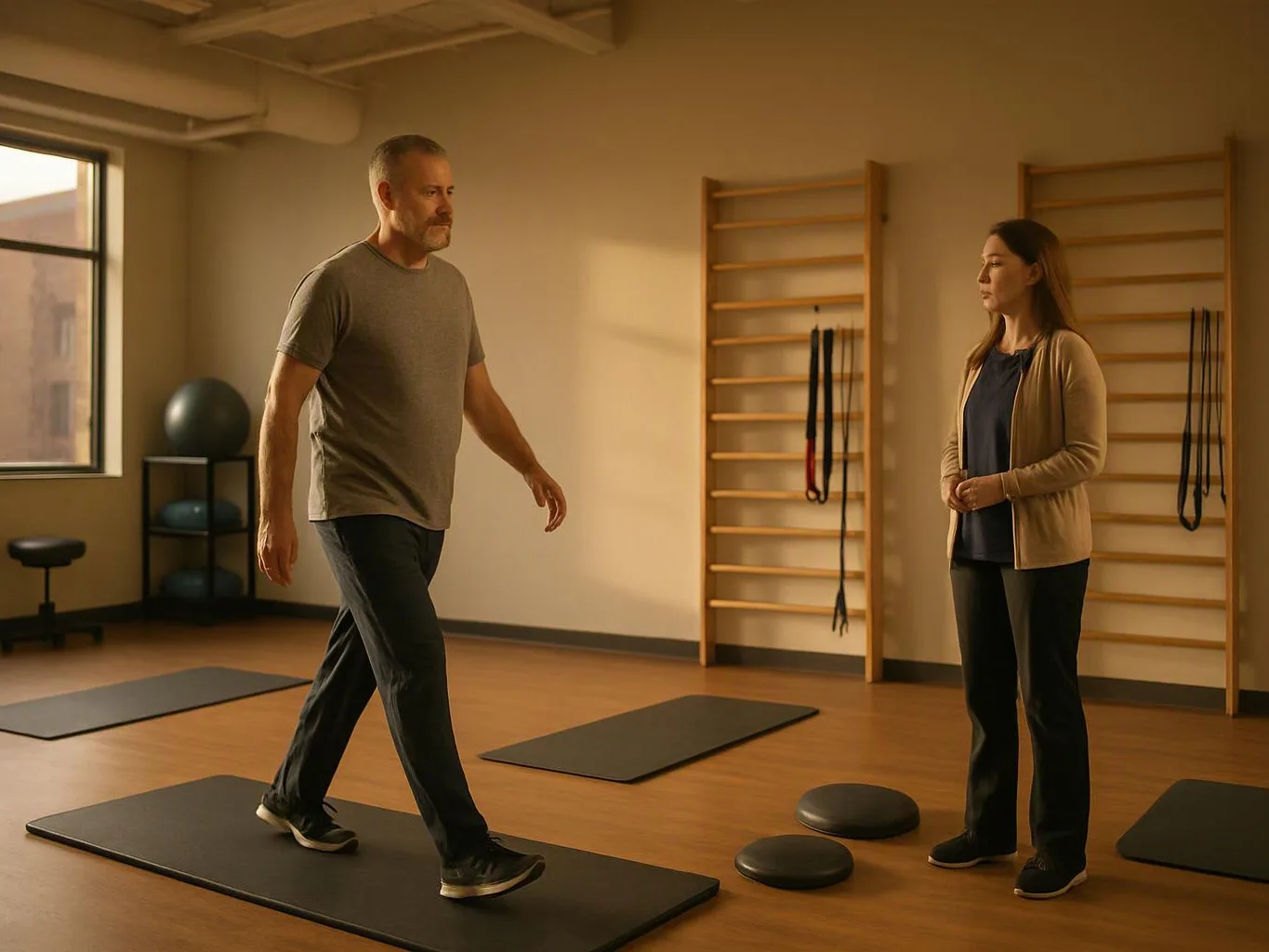
The health history comes first and records symptoms, injuries, medications, and treatment goals. A movement assessment follows and checks range of motion, joint response, and symptom changes. We also ask about accident details and prior care. These findings guide the treatment choice and show when another type of medical review is needed.
What should be checked before an adjustment is scheduled?
A health history and examination should be checked before hands-on treatment is scheduled. The review covers current symptoms, past injuries, medications, accident details, and movement limits. We use that information to choose a safe care path. New or severe symptoms may need medical evaluation before an adjustment is appropriate.
Who is a good fit for hands-on adjustment care?
People with joint stiffness, accident-related pain, limited mobility, or certain musculoskeletal conditions may fit hands-on adjustment care. The examination decides whether the method suits the symptoms. Patients with warning signs or conditions needing medical treatment require a different care path. Individual response differs, so we review progress as care continues.
How does a free consultation help before treatment?
A free consultation lets you discuss symptoms, injury history, and care goals before choosing treatment. The conversation can clarify whether an examination, adjustment, rehabilitation plan, or medical referral fits your situation. It also gives you space to ask about methods such as the Activator Method or Cox flexion-distraction.
Why might an adjustment plan include rehabilitation?
Rehabilitation may be added when weakness, poor movement control, or limited function remains after the initial assessment. Exercises can work alongside adjustments, traction, TENS therapy, or soft tissue care. The plan is individualized, and progress is reviewed through changes in movement and daily function rather than a promised result.
Which information should I bring after a car accident?
Accident details, prior injury records, medication information, and current symptom notes help us assess the case. Bring insurance information when personal-injury treatment is involved. We can also help coordinate treatment and insurance matters through our legal referral network. The examination still guides the care plan.