What should I expect during a medical clinic visit?
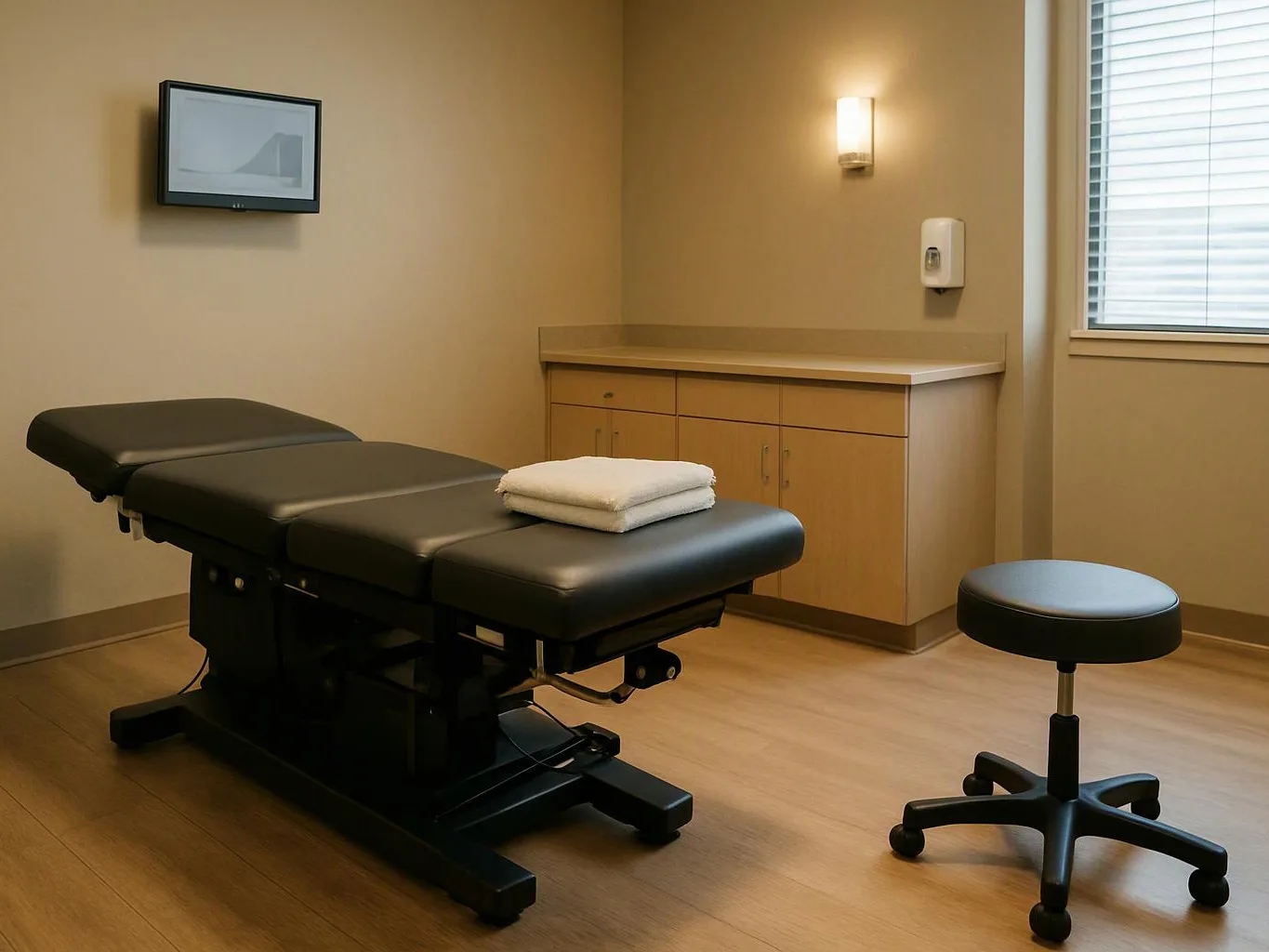
Treatment planning starts with a health history, physical examination, and discussion of your main concern. Arrowhead Clinic Chiropractor Newnan reviews symptoms, prior injuries, and movement limits before explaining suitable care. Diagnostic testing, including X-rays, is discussed when clinically indicated. The visit ends with findings and next-step options.
How can I tell whether this care fits my symptoms?
Musculoskeletal symptoms often fit chiropractic care when pain, stiffness, or limited movement involves the spine, joints, muscles, or soft tissue. We assess the health history and physical findings before choosing a method. Severe or unusual symptoms may call for another medical service, and we explain that need clearly.
Which part of the evaluation decides the treatment plan?
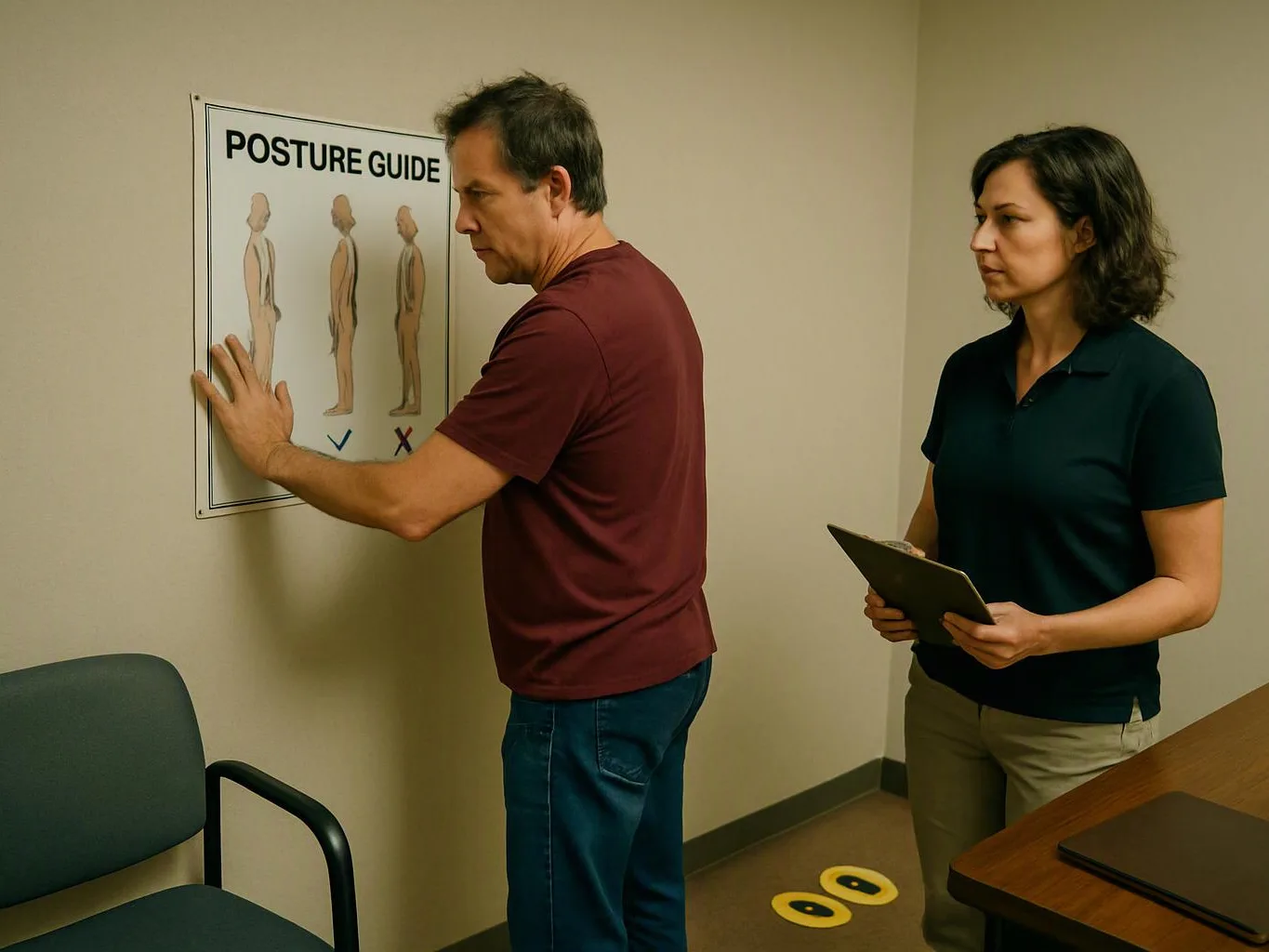
The physical examination helps decide which treatment methods fit your condition. Our team checks movement, tenderness, joint function, and symptom patterns alongside your health history. Those findings guide choices such as diversified adjustments, spinal decompression, Cox flexion-distraction, or rehabilitation. Individual response differs, so care is reviewed as treatment continues.
Why might a clinic use spinal decompression instead of an adjustment?
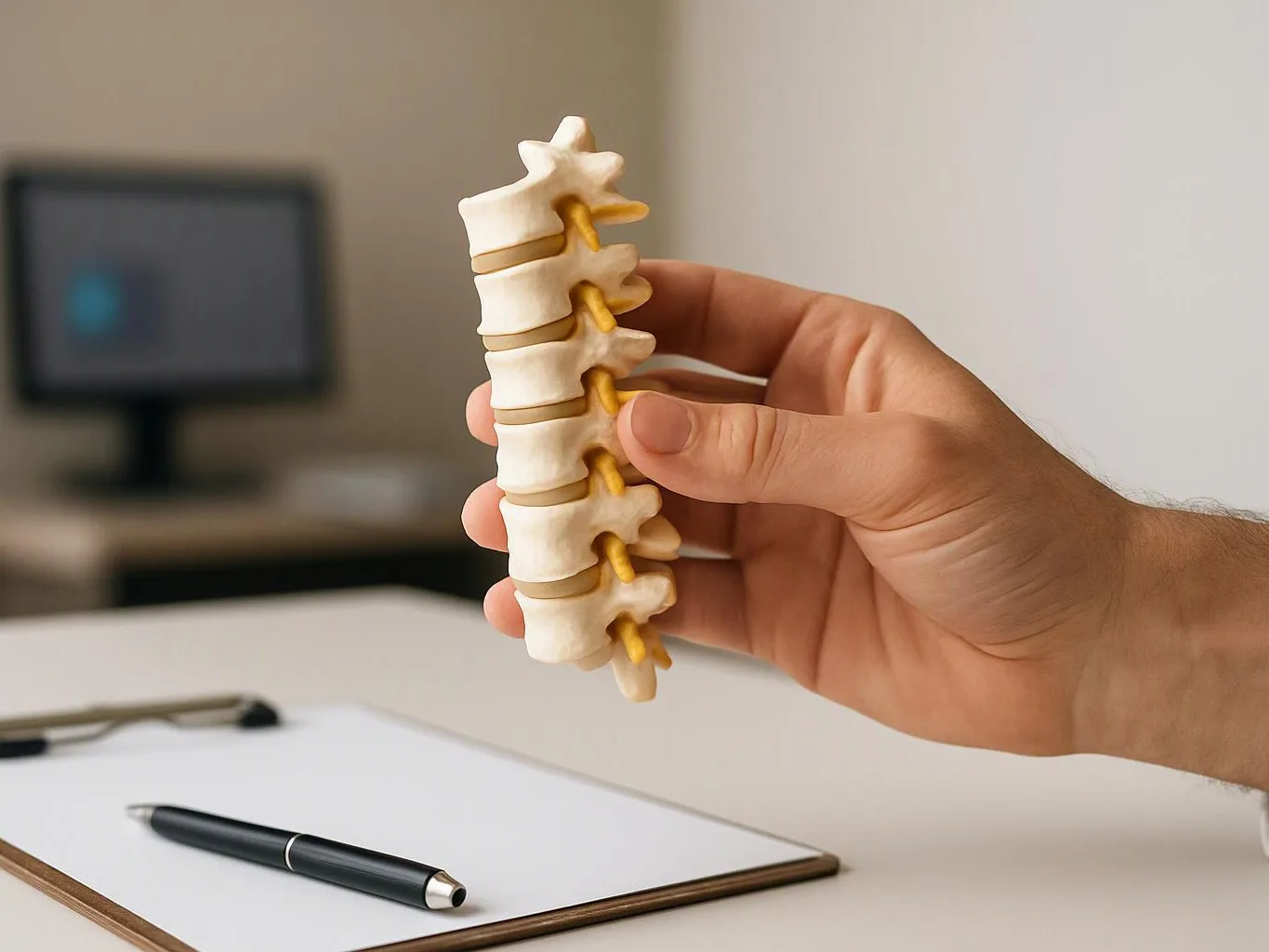
Spinal decompression may fit selected disc-related or back concerns when traction-based care matches the examination findings. An adjustment uses a different method and goal. We compare the options through your symptoms, movement limits, and health history. No treatment method suits every patient, so our team explains the reason for its recommendation.
What should I bring to my first appointment?
Your symptom history, accident details, prior injury records, and current medication information help us complete the intake. Bring any relevant diagnostic reports or imaging you already have. A clear account of what worsens or eases the pain also helps the physical examination and treatment discussion.
How does an accident change the first visit?
An accident adds injury details, prior symptoms, and insurance concerns to the first evaluation. We document the event, examine affected areas, and discuss care options for whiplash, back injuries, soft-tissue injuries, or related pain. Our legal referral network can connect personal-injury patients with attorneys while treatment and insurance matters are coordinated.
Which material changes how long rehabilitation takes?
The main factors are the injury, current function, health history, and response to care, not one treatment material. Kinesiology tape, TheraBand exercises, traction, and soft-tissue therapy serve different roles. We review progress and adjust the rehabilitation plan when movement or symptoms change.