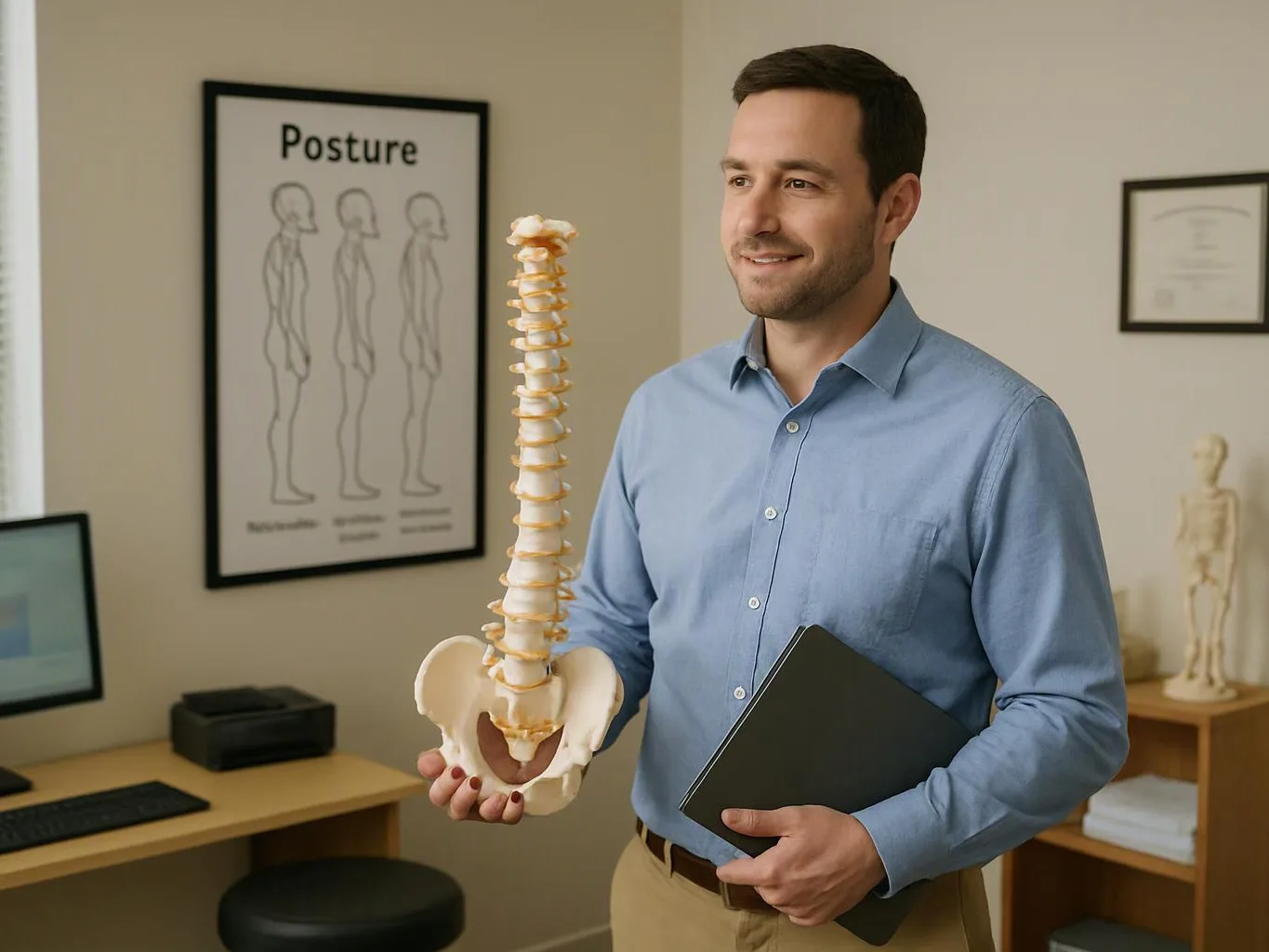
Chiropractic Adjustment vs. Corrective Exercise for Back Pain
Back pain treatment is compared by the roles of chiropractic adjustment and corrective exercise therapy. Arrowhead Clinic Chiropractor Newnan evaluates the cause, pain pattern, movement limits, strength, and goals to determine whether adjustment, exercise-based care, or combined care fits the treatment plan.
Get a Free EstimateWhat Is the Difference Between Chiropractic Adjustment and Corrective Exercise?
Chiropractic adjustment is a hands-on treatment that targets restricted spinal or joint motion. Corrective exercise therapy uses guided movement to improve strength, control, flexibility, and movement patterns.
Adjustment may focus on spinal joint mobility and joint restriction. Exercise may focus on muscle strength, posture, motor control, and functional movement. We use a movement assessment to decide which finding needs attention first.
Chiropractic Adjustment vs. Corrective Exercise at a Glance
Both options are forms of conservative back pain care, but they address different findings. The best comparison considers the goal, care-plan complexity, maintenance needs, and how each option fits the person’s symptoms.
| Factor | Chiropractic adjustment | Corrective exercise therapy | How to compare |
|---|---|---|---|
| Treatment goal | Support joint mobility and address restricted motion. | Build strength, control, flexibility, and movement habits. | Match the option to the assessed limitation. |
| Cost drivers | Assessment findings, manual care, visit needs, and reassessment. | Assessment findings, exercise instruction, progression, and reassessment. | A combined plan may include both service types. |
| Treatment timeline | Depends on symptoms, movement findings, and response to care. | Depends on strength deficits, exercise progression, and home participation. | We reassess progress against the treatment goals. |
| Maintenance | May involve follow-up based on symptoms and movement needs. | May involve continued home exercise and movement practice. | Maintenance should reflect the person’s findings and goals. |
| Best fit | Restricted motion or movement-related symptoms. | Strength, control, posture, or flexibility deficits. | Combined care may fit mixed findings. |
Adjustment and exercise can support different parts of a back pain care plan. We explain the recommended role of each option before care begins.
What Chiropractic Adjustment Can Do for Back Pain
Chiropractic adjustment may help address restricted joint motion and related movement limitations when our assessment indicates that manual care is appropriate.
We assess spinal mobility, joint restriction, range of motion, and the pain pattern before choosing manual therapy. Our team uses those findings to connect treatment with a person’s functional goals. You can learn more about our Back Pain Treatment approach.
Advantages of Chiropractic Adjustment
Chiropractic adjustment may be useful when the examination shows a movement restriction that responds to hands-on care. We keep treatment symptom-guided and connect manual care with the broader plan.
Best for: chiropractic adjustment may suit people whose assessment shows restricted motion as a meaningful part of the problem.
What Corrective Exercise Can Do for Back Pain
Corrective exercise therapy may help improve the strength, coordination, flexibility, and movement habits that contribute to recurring back pain.
We may use core stabilization, mobility exercise, posture correction exercise, or motor-control exercise when the assessment shows a related deficit. Exercise can support functional movement and help you practice improved control during daily activities.
Advantages of Corrective Exercise Therapy
Corrective exercise gives the body repeated practice with controlled movement. We adjust exercise instruction to the person’s strength, flexibility, pain pattern, and movement goals.
Best for: corrective exercise therapy may suit people with strength deficits, poor motor control, limited flexibility, or movement dysfunction.
Which Option Is Better for Your Back Pain?
Neither option is universally better; chiropractic adjustment may suit restricted motion, corrective exercise may suit strength or movement deficits, and combined care may address both findings.

The back pain cause, pain pattern, range of motion, strength deficits, and treatment goals all influence the recommendation. We use a movement assessment to identify whether the lumbar spine, pelvis, hips, or surrounding muscles need attention.
Combined care may connect manual treatment with exercise progression. Our team explains how each part supports the treatment plan and what findings would lead to reassessment.
How Chiropractic Care Compares With Physical Therapy
Chiropractic care commonly emphasizes spinal and joint assessment with manual treatment, while physical therapy commonly emphasizes rehabilitation, therapeutic exercise, and functional recovery; the appropriate choice depends on the evaluation and care goals.
Both approaches may address posture correction, flexibility, strength, and movement dysfunction. We focus our recommendations on the findings we identify and on the role each service can play in back pain rehabilitation.
How We Assess the Right Back Pain Treatment
Our assessment connects your health history and symptoms with movement findings before we recommend a treatment plan.
What Changes the Cost of Each Back Pain Treatment Option?
The cost of chiropractic adjustment or corrective exercise depends on the assessment findings, recommended services, care-plan complexity, and reassessment needs; we explain what the quote includes during a Free Consultation.
Manual care, exercise instruction, exercise progression, and follow-up assessment can change the scope of care. The number of recommended visits also depends on the treatment goals and response to care. Our team explains the planned services before you accept a care plan.
Questions to Ask Before Choosing a Treatment Plan
Good questions clarify why each service is recommended and how progress will be judged. We welcome direct questions about the role of adjustment, exercise, and other treatment options.
When Back Pain Needs Medical Evaluation
Back pain with concerning neurological or systemic symptoms needs prompt medical evaluation rather than relying on adjustment or exercise alone.
Seek prompt medical attention for severe back pain, new leg weakness, significant numbness, or bowel or bladder changes. We can help identify when symptoms call for medical evaluation before conservative care continues.
Questions About Adjustment and Exercise for Back Pain
Can chiropractic adjustment and corrective exercise be used together for back pain?
Yes, chiropractic adjustment and corrective exercise can be used together when the assessment shows both restricted motion and strength or movement deficits. Arrowhead Clinic Chiropractor Newnan connects manual care with exercise progression when combined care fits the treatment goals.
How do I know whether my back pain is related to restricted movement or muscle weakness?
Restricted movement or muscle weakness can contribute to back pain, but a health history and movement assessment are needed to compare those findings. We review the pain pattern, range of motion, posture, strength, and functional movement before recommending care.
What should I ask about a recommended chiropractic or exercise-based care plan?
Ask what finding supports the recommendation, what role adjustment or exercise serves, how home care will progress, and what reassessment criteria will guide changes. We explain the expected role of each service and the alternatives that may fit the evaluation.
Can corrective exercises help prevent back pain from returning?
Corrective exercises may help reduce recurring movement problems by building strength, flexibility, posture control, and functional movement habits. We choose and progress home exercise according to the person’s findings and treatment goals.
Arrowhead Clinic Chiropractor Newnan provides Free Consultations to discuss your back pain findings, treatment goals, and care options. Contact our team to request an evaluation and an explanation of what the recommended care plan includes.