Understanding Lumbar Spine
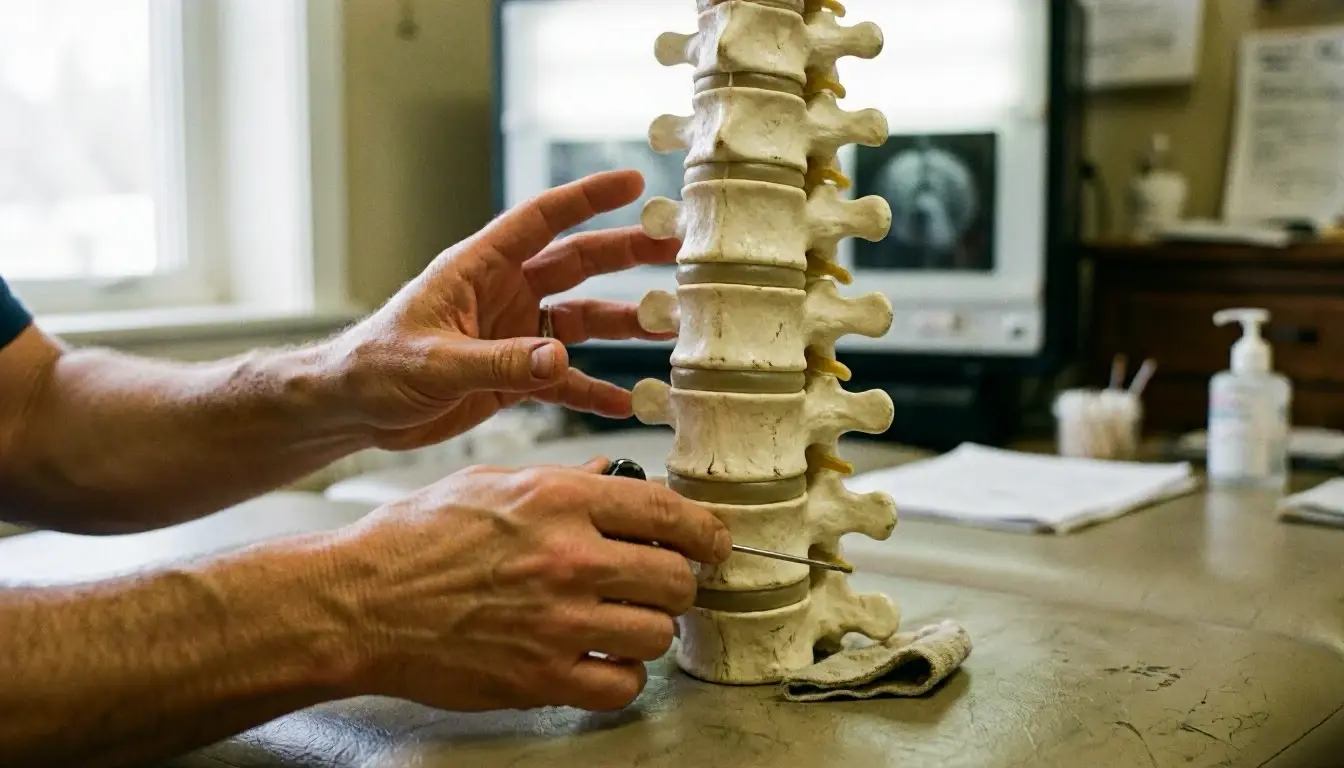
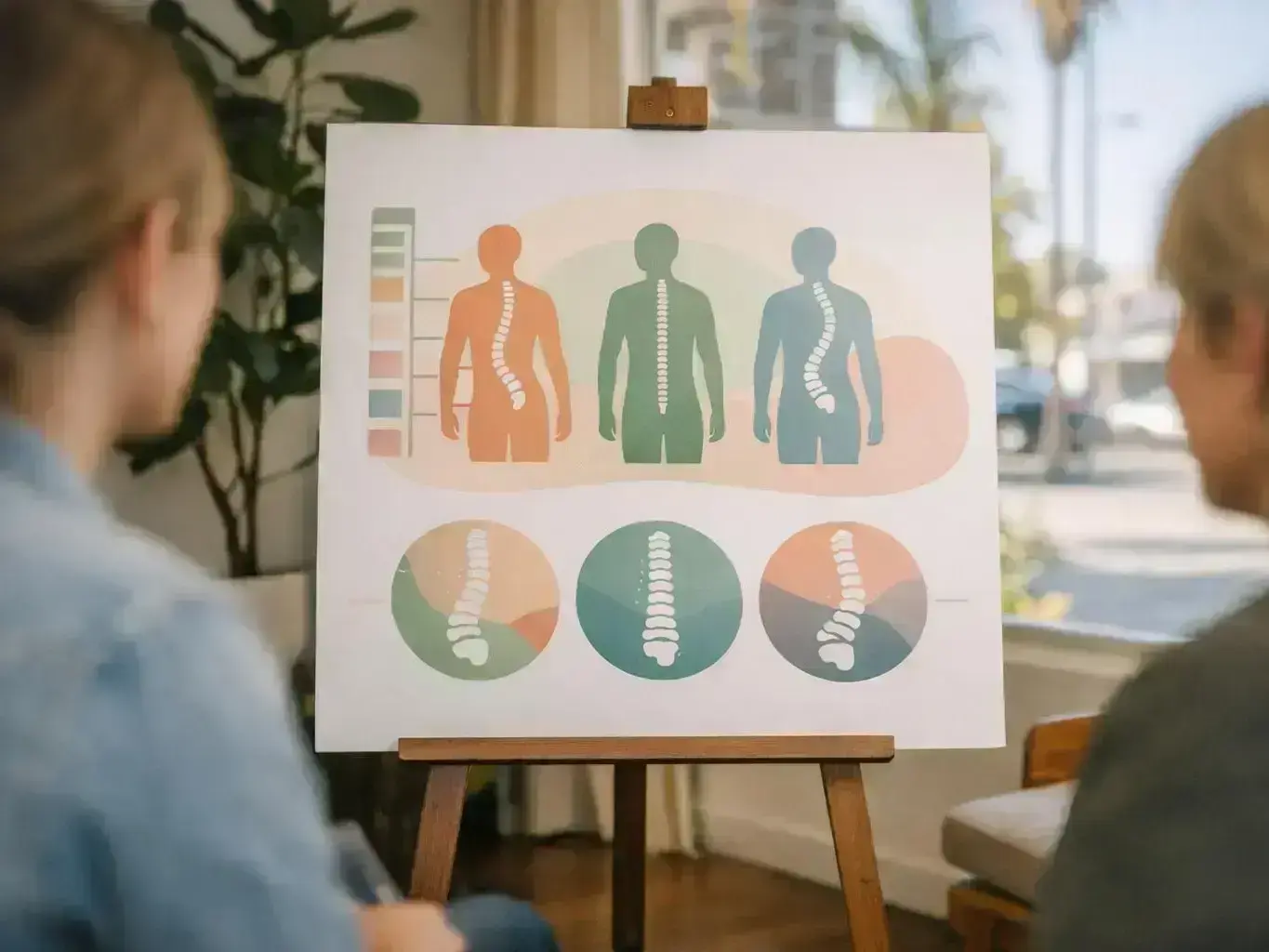
The lumbar spine is the section of the spine located in the lower back, between the thoracic spine above and the sacrum below. It consists of five vertebrae, labeled L1 through L5, which are larger and stronger than the vertebrae in the upper back. This size and strength allow the lumbar spine to bear the weight of the upper body while still permitting a wide range of movements, such as bending forward, leaning back. And twisting side to side. The lumbar vertebrae also protect the spinal cord and the nerve roots that branch out to the legs, making this area critical for both stability and mobility.
Each lumbar vertebra has a thick, cylindrical body in front and bony arches in back that form a protective ring around the spinal cord. Between each vertebra lies a disc made of a tough outer layer and a gel-like inner core. These discs act as shock absorbers, cushioning the bones during daily activities like walking, lifting. Or sitting. The lumbar spine also connects to muscles and ligaments that help maintain posture and allow controlled movement. Because it carries so much load and allows so much motion, the lumbar spine is a common site for injuries and wear-and-tear conditions.
How Lumbar Spine Works?
The lumbar spine works as a flexible column that balances stability with movement. When a person stands, the lumbar vertebrae stack vertically, distributing the weight of the upper body evenly across the discs and joints. During bending or lifting, the vertebrae tilt and rotate. While the discs compress slightly to absorb the force. The muscles surrounding the lumbar spine, including the erector spinae and abdominal muscles, contract to control these movements and prevent excessive strain on the bones and discs. If these muscles are weak or fatigued, the lumbar spine may become overloaded, leading to pain or injury.
The nerves that exit the lumbar spine travel down the legs, carrying signals for movement and sensation. For example, the sciatic nerve, which originates from nerve roots in the lumbar spine, controls muscles in the back of the thigh and lower leg. If a disc herniates or a joint becomes inflamed, it can press on these nerves, causing pain, numbness. Or weakness in the legs. This condition, known as sciatica, is one of the most common reasons people seek care for lumbar spine problems. Proper alignment and muscle balance help keep these nerves free from compression.
Why Lumbar Spine Matters?
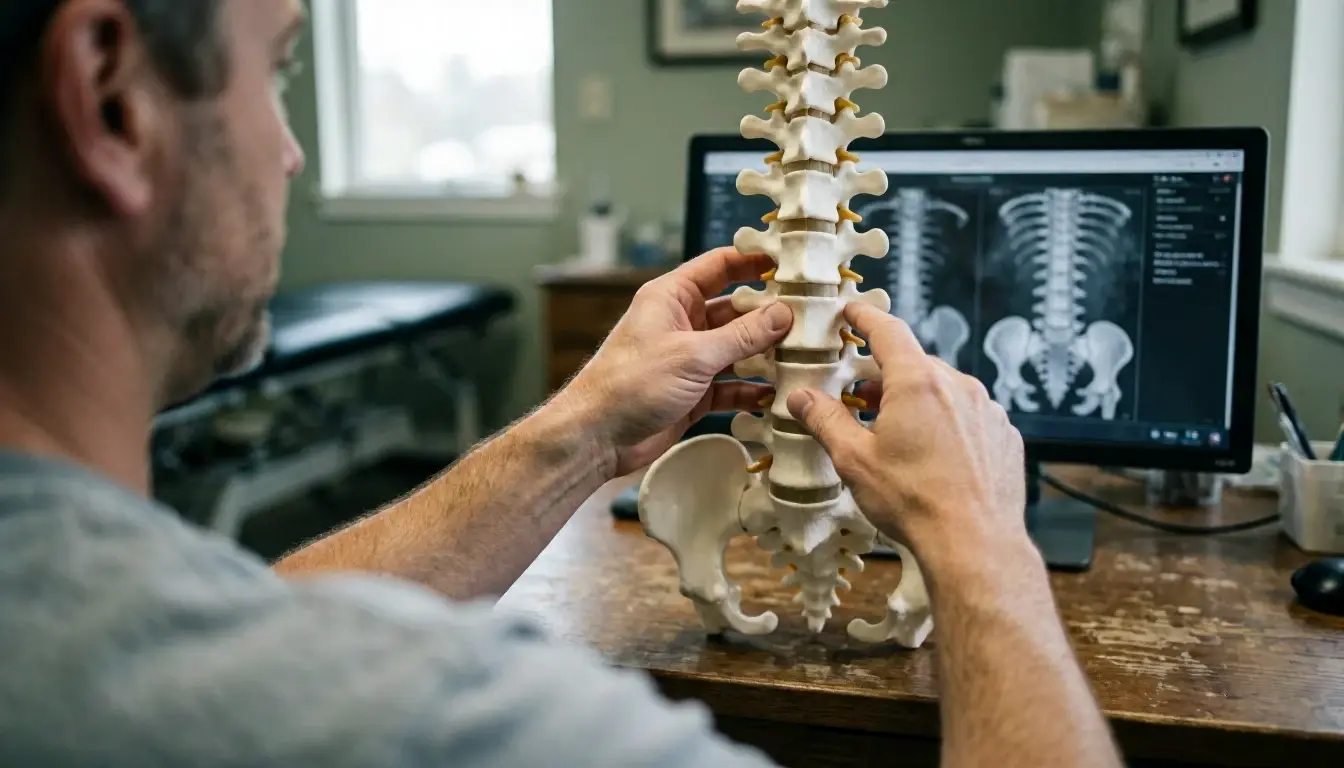
The lumbar spine plays a vital role in nearly every daily activity, from sitting at a desk to lifting groceries or playing sports. When the lumbar spine is healthy, it allows pain-free movement and supports the body’s weight without discomfort. But when problems arise—such as herniated discs, arthritis. Or muscle strains—they can significantly limit mobility and quality of life. Low back pain is one of the most common reasons people visit healthcare providers. And it often stems from issues in the lumbar spine. Addressing these problems early can prevent them from becoming chronic or disabling.
In practice, Beyond pain, the lumbar spine affects overall posture and body mechanics. Poor posture, such as slouching or standing with an exaggerated arch in the lower back, can place extra stress on the lumbar vertebrae and discs. Over time, this stress can lead to degenerative changes, such as spinal stenosis or osteoarthritis. Maintaining good posture, staying active. And using proper lifting techniques are simple ways to protect the lumbar spine and reduce the risk of long-term damage.
When Lumbar Spine Matters Most?
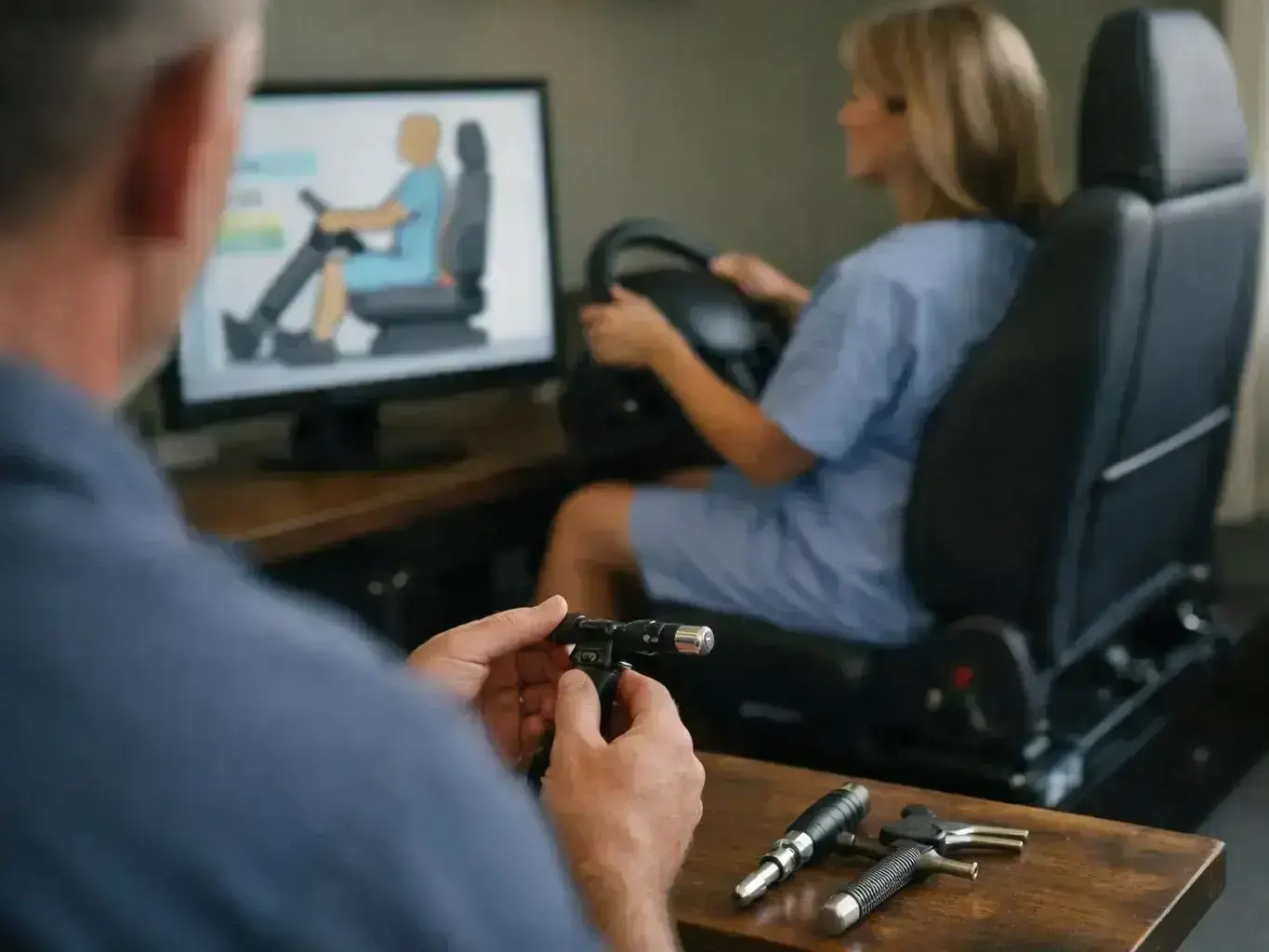
The lumbar spine becomes especially important during activities that involve lifting, bending. Or prolonged sitting. Jobs that require heavy lifting, such as construction or nursing, put extra strain on the lumbar spine and increase the risk of injury. Similarly, sitting for long periods—whether at a desk, in a car. Or on a couch, can weaken the muscles that support the lower back and contribute to stiffness or pain. People who experience sudden back pain after lifting or twisting should pay attention to their lumbar spine, as these are common signs of a strain or disc injury.
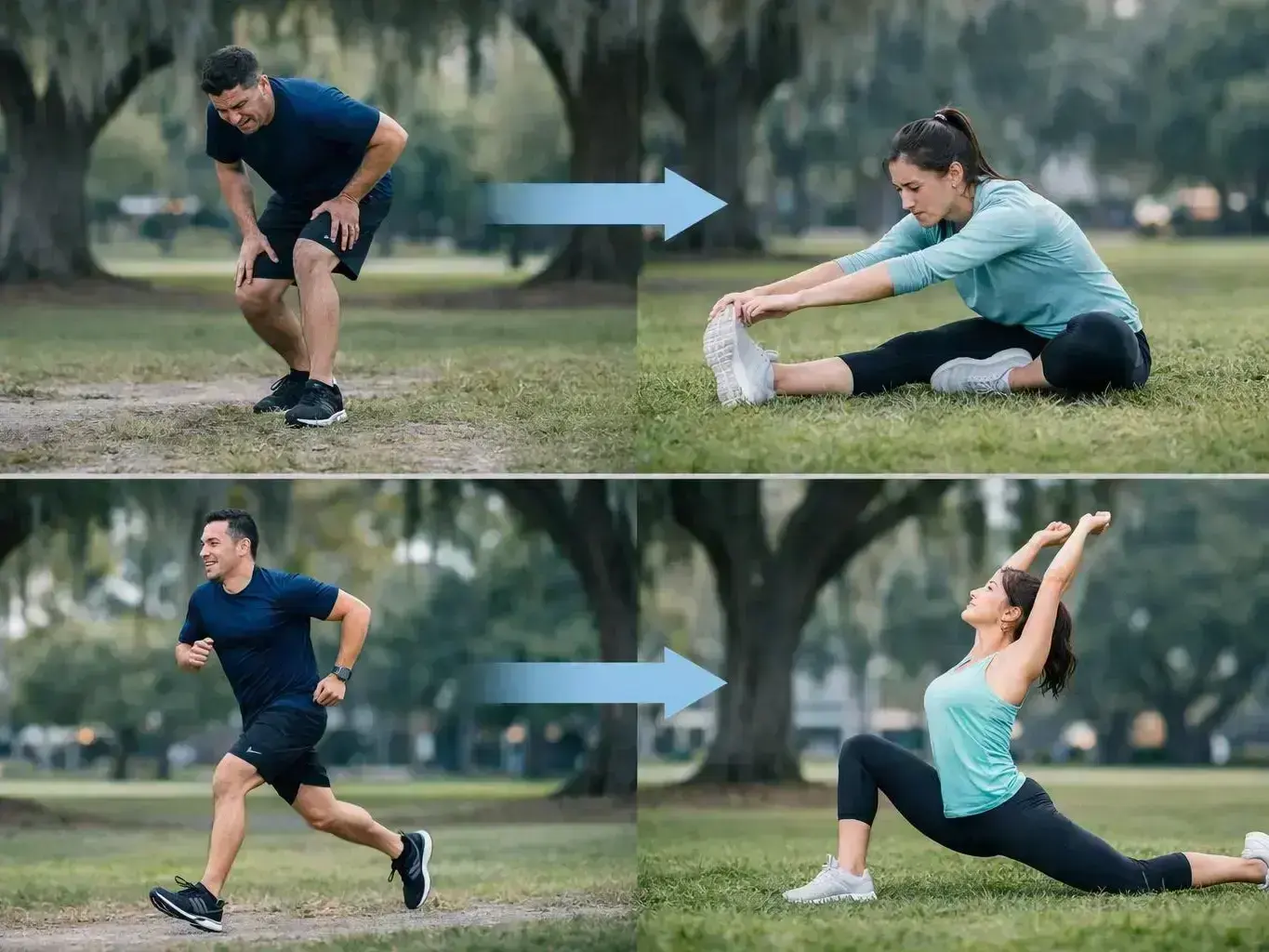
The lumbar spine also matters during sports or physical activities that involve jumping, running. Or sudden changes in direction. Athletes, such as football players, gymnasts. Or weightlifters, often place high demands on their lower backs, making them more susceptible to overuse injuries or acute trauma. Even everyday activities, like gardening or playing with children, can strain the lumbar spine if proper body mechanics are not used. Recognizing the early signs of lumbar spine problems - such as stiffness, aching. Or radiating leg pain, can help individuals seek care before the issue worsens.
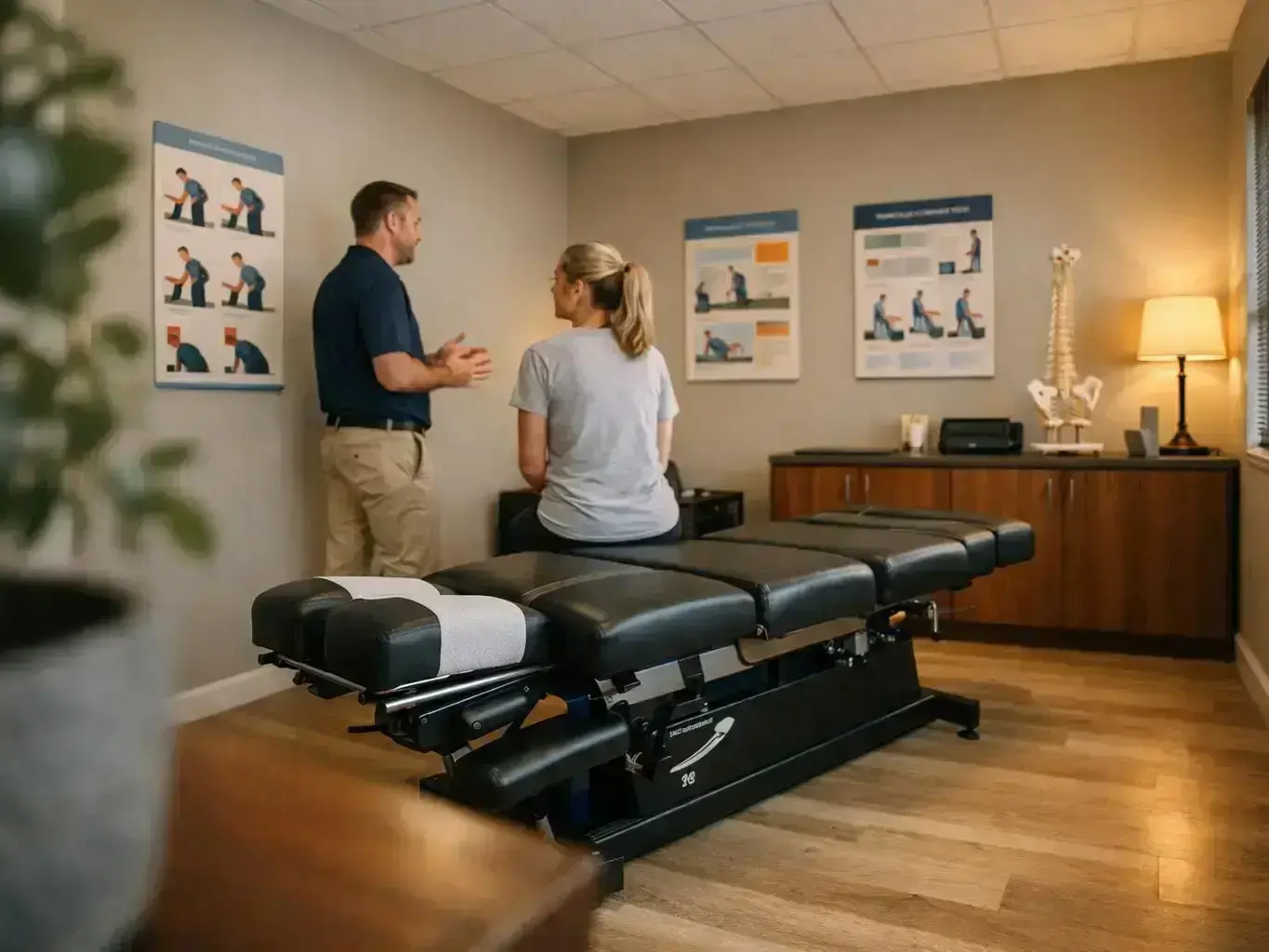
In Newnan, GA, where many residents lead active lifestyles or work in physically demanding jobs, maintaining lumbar spine health is particularly important. Local chiropractors often see patients with lumbar spine issues related to work injuries, car accidents. Or sports activities. Understanding the role of the lumbar spine can help individuals take proactive steps to prevent injuries and seek appropriate care when needed.