Understanding Low Back Pain

Low Back Pain is a widespread condition that affects millions of people each year. The lower back. Or lumbar region, supports much of the body’s weight and allows for movement like bending, twisting. And lifting. Because of this, it's prone to strain, injury. And wear over time. Low Back Pain can feel like a sharp stab, a dull ache. Or a constant throbbing sensation. Some people experience stiffness or muscle spasms. While others may feel pain that spreads into the legs or buttocks.
Related glossary terms: Back Pain, Sciatica, Disc Herniation.
Low Back Pain is often classified by how long it lasts. Acute pain comes on suddenly—usually after an injury—and lasts up to six weeks. Subacute pain lasts between six weeks and three months. Chronic Low Back Pain persists for more than three months and may require ongoing management. While most cases are not serious, persistent or severe pain should be evaluated by a healthcare provider to rule out conditions like herniated discs, spinal stenosis. Or nerve compression.
How Low Back Pain Works?
The lower back is made up of bones (vertebrae), discs that cushion the bones, ligaments that hold everything together, muscles that provide support. And nerves that send signals to the legs and feet. When any of these structures are damaged or irritated, pain can result. For example, lifting a heavy object incorrectly can strain muscles or sprain ligaments. Over time, poor posture, repetitive motions. Or lack of exercise can weaken the back and make it more vulnerable to injury.
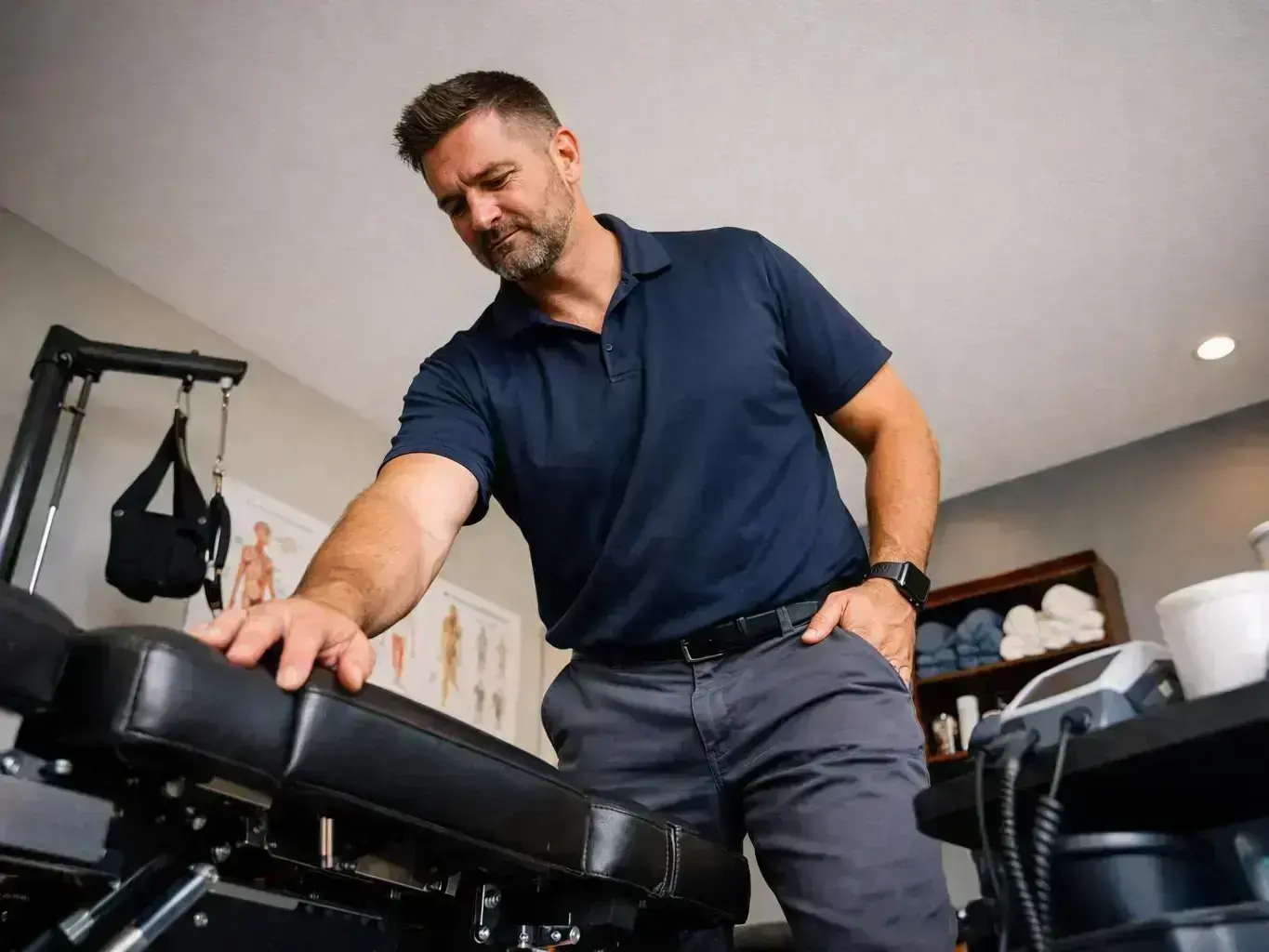
Discs in the spine act like shock absorbers. If a disc bulges or ruptures (herniates), it can press on nearby nerves, causing pain, numbness. Or weakness in the legs—That means often called sciatica. Arthritis, a condition where the joints wear down, can also lead to Low Back Pain by narrowing the space around the nerves. In some cases, pain may come from muscles that tighten or spasm in response to injury or stress. Understanding the cause of Low Back Pain helps guide treatment, whether it’s rest, exercise. Or hands-on care like chiropractic adjustments.
Why Low Back Pain Matters?

Low Back Pain is more than just an inconvenience, it can significantly impact a person’s quality of life. People with Low Back Pain may struggle with simple tasks like sitting at a desk, driving. Or lifting a child. Over time, pain can lead to missed work, reduced physical activity. And even depression or anxiety. The financial cost is also high, with billions spent each year on doctor visits, medications. And lost productivity.
For most people, Low Back Pain improves within a few weeks with self-care like rest, ice, heat. And gentle stretching. But ignoring symptoms or pushing through pain can sometimes make the problem worse. Early treatment can help prevent acute pain from becoming chronic. Chiropractic care, physical therapy. And lifestyle changes like improving posture or strengthening core muscles are common ways to manage Low Back Pain and reduce the risk of future episodes.
When Low Back Pain Matters Most?
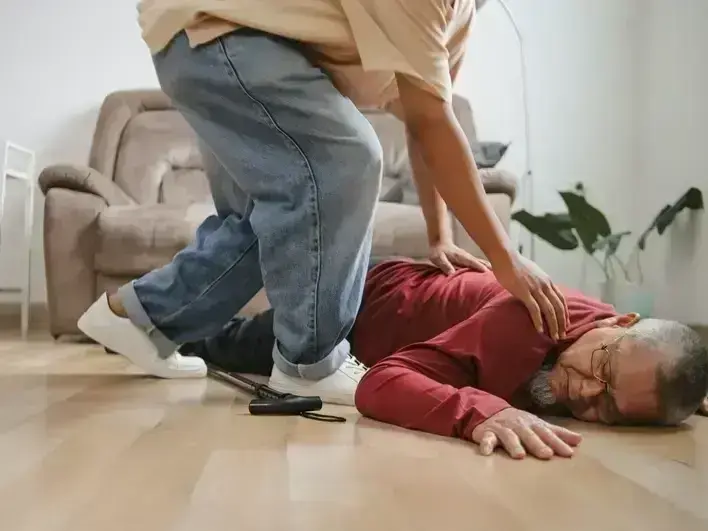
Low Back Pain becomes especially important in certain situations. If pain follows a fall, car accident. Or sports injury, it may signal a more serious problem like a fracture or herniated disc. Pain that spreads down the legs, causes weakness or numbness. Or is accompanied by fever, weight loss. Or bladder problems requires immediate medical attention, as these could be signs of nerve damage or infection.
People with jobs that involve heavy lifting, prolonged sitting. Or repetitive motions are at higher risk for Low Back Pain and may need to take extra precautions. Athletes, older adults. And those with chronic conditions like arthritis or osteoporosis should also pay close attention to back health. Even everyday activities, like gardening or cleaning, can trigger Low Back Pain if proper body mechanics aren’t used. Recognizing when pain is a warning sign. And knowing when to seek help, can make a big difference in recovery and long-term well-being.