Understanding Intersegmental Traction
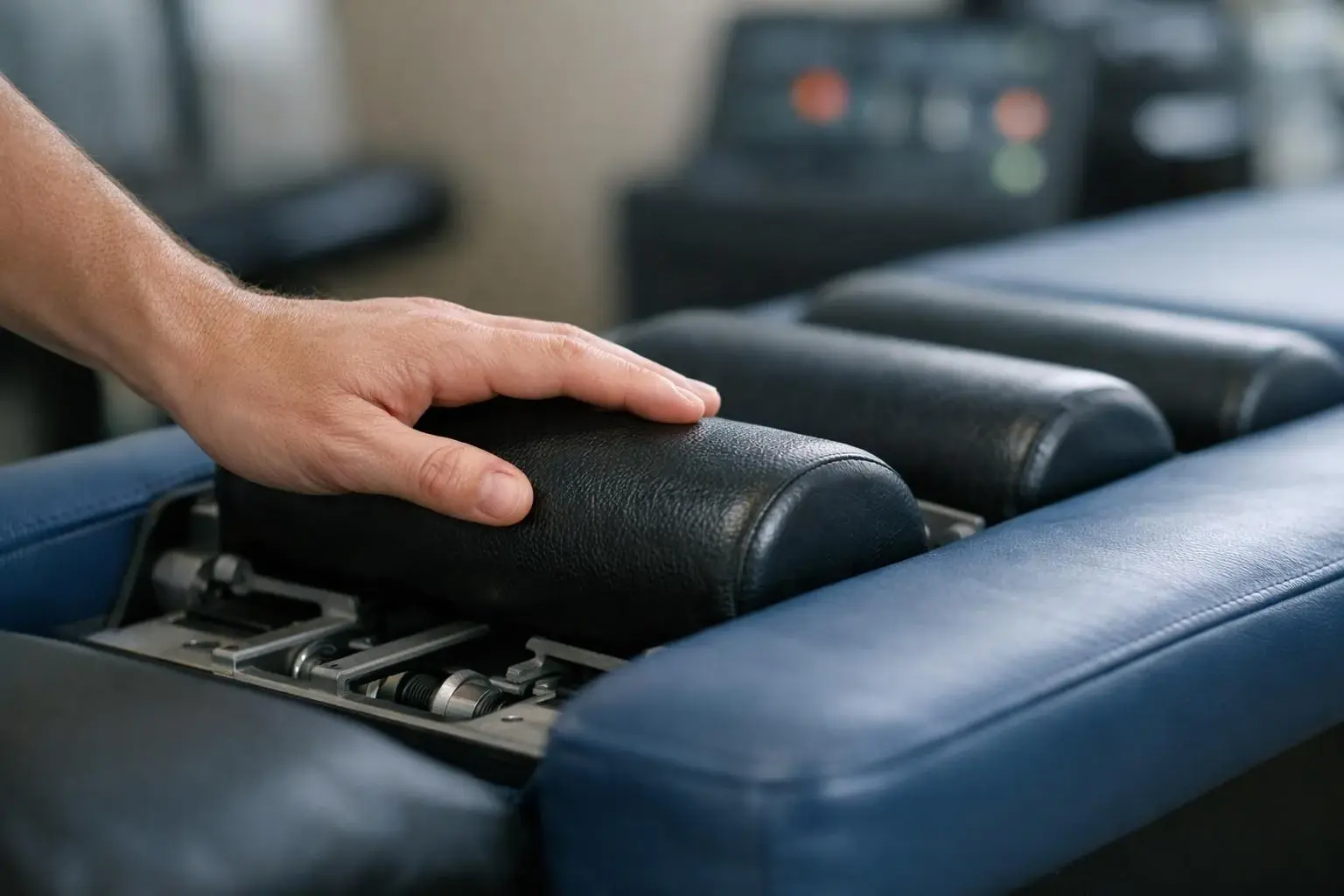
Intersegmental Traction is a non-invasive chiropractic technique designed to improve spinal function and health. Unlike manual adjustments, which involve hands-on manipulation, this therapy relies on a motorized table equipped with rolling mechanisms. As the patient lies face-up on the table, the rollers move slowly along the length of the spine, applying gentle pressure to each vertebra. This movement creates a stretching effect, known as traction, which helps to separate the vertebrae slightly. The goal is to restore lost motion, reduce stiffness. And boost the health of the spinal discs.
Related glossary terms: Chiropractic Care, Spinal Decompression, Flexion-Distraction.
The therapy is often described as passive because the patient doesn't need to actively participate. Instead, the table does the work, making it a comfortable option for individuals who may have difficulty with more active forms of treatment. The rolling motion also stimulates blood flow to the spinal discs, which are avascular and rely on movement to receive nutrients and remove waste. By improving circulation, Intersegmental Traction supports the natural healing processes of the spine, making it a valuable tool in chiropractic care.
How Intersegmental Traction Works?
The mechanism behind Intersegmental Traction is rooted in biomechanics and spinal anatomy. The spine is composed of individual vertebrae stacked on top of one another, with intervertebral discs acting as cushions between them. Over time, factors like poor posture, injury. Or repetitive stress can cause the vertebrae to become misaligned or stiff, reducing the space between them. The rolling rollers on the traction table apply a rhythmic, controlled force to each segment of the spine, gently separating the vertebrae. This separation helps to decompress the discs, allowing them to rehydrate and regain their natural height.
The table’s rollers are typically adjustable, allowing the chiropractor to customize the intensity and focus of the treatment. For example, the rollers can be set to target specific areas of the spine, such as the lumbar or cervical regions, depending on the patient’s needs. The duration of a session usually ranges from 10 to 20 minutes, during which the patient remains relaxed and still. The rhythmic motion of the rollers also has a massaging effect, which can help to relax the surrounding muscles and further reduce tension in the spine.
Intersegmental Traction is often used as part of a broader treatment plan. It's frequently combined with other chiropractic techniques, such as spinal adjustments, soft tissue therapy. Or exercises, to address the root causes of spinal dysfunction. The therapy is suitable for a wide range of patients, including those recovering from injuries, individuals with chronic back pain. Or people looking to maintain spinal health as part of a preventive care routine.
Why Intersegmental Traction Matters?

The spine plays a critical role in overall health, supporting the body’s structure and protecting the nervous system. When spinal motion is restricted, it can lead to a cascade of problems, including pain, reduced mobility. And even nerve irritation. Intersegmental Traction addresses these issues by restoring the natural movement of the spine, which is essential for maintaining disc health and preventing degeneration. Healthy spinal discs act as shock absorbers, cushioning the vertebrae during movement. When discs lose their height or hydration, they become less effective, increasing the risk of injury and pain.
Another key benefit of Intersegmental Traction is its ability to improve circulation to the spinal discs. Since discs lack a direct blood supply, they rely on movement and diffusion to receive nutrients and remove waste. The gentle stretching provided by the traction table enhances this process, promoting disc hydration and resilience. That means particularly important for individuals with degenerative disc disease or those recovering from injuries, as it supports the body’s natural healing mechanisms. And the therapy can help to reduce muscle tension, which often contributes to spinal stiffness and discomfort.
When Intersegmental Traction Matters Most?
Intersegmental Traction is particularly beneficial in situations where spinal mobility is compromised or where disc health is a concern. For example, individuals with chronic lower back pain, neck stiffness. Or postural imbalances may find relief through this therapy. It is also commonly used for patients recovering from injuries, such as whiplash or sports-related strains, where restoring spinal motion is a priority. The therapy can be especially helpful for those who experience discomfort during manual adjustments, as it provides a gentle alternative to more forceful techniques.
Another scenario where Intersegmental Traction matters is in preventive care. Regular sessions can help maintain spinal flexibility, reduce the risk of disc degeneration. And improve overall posture. This is particularly valuable for individuals with sedentary lifestyles, such as office workers or drivers, who spend long hours sitting. The therapy can also be beneficial for older adults, as spinal mobility tends to decrease with age. By incorporating Intersegmental Traction into a broader chiropractic care plan, patients can address both immediate discomfort and long-term spinal health.
While Intersegmental Traction is generally safe and well-tolerated, it may not be suitable for everyone. Individuals with certain conditions, such as severe osteoporosis, spinal fractures. Or advanced arthritis, should consult a chiropractor before undergoing this therapy. A thorough evaluation is necessary to determine whether Intersegmental Traction is appropriate for a patient’s specific needs and health status.