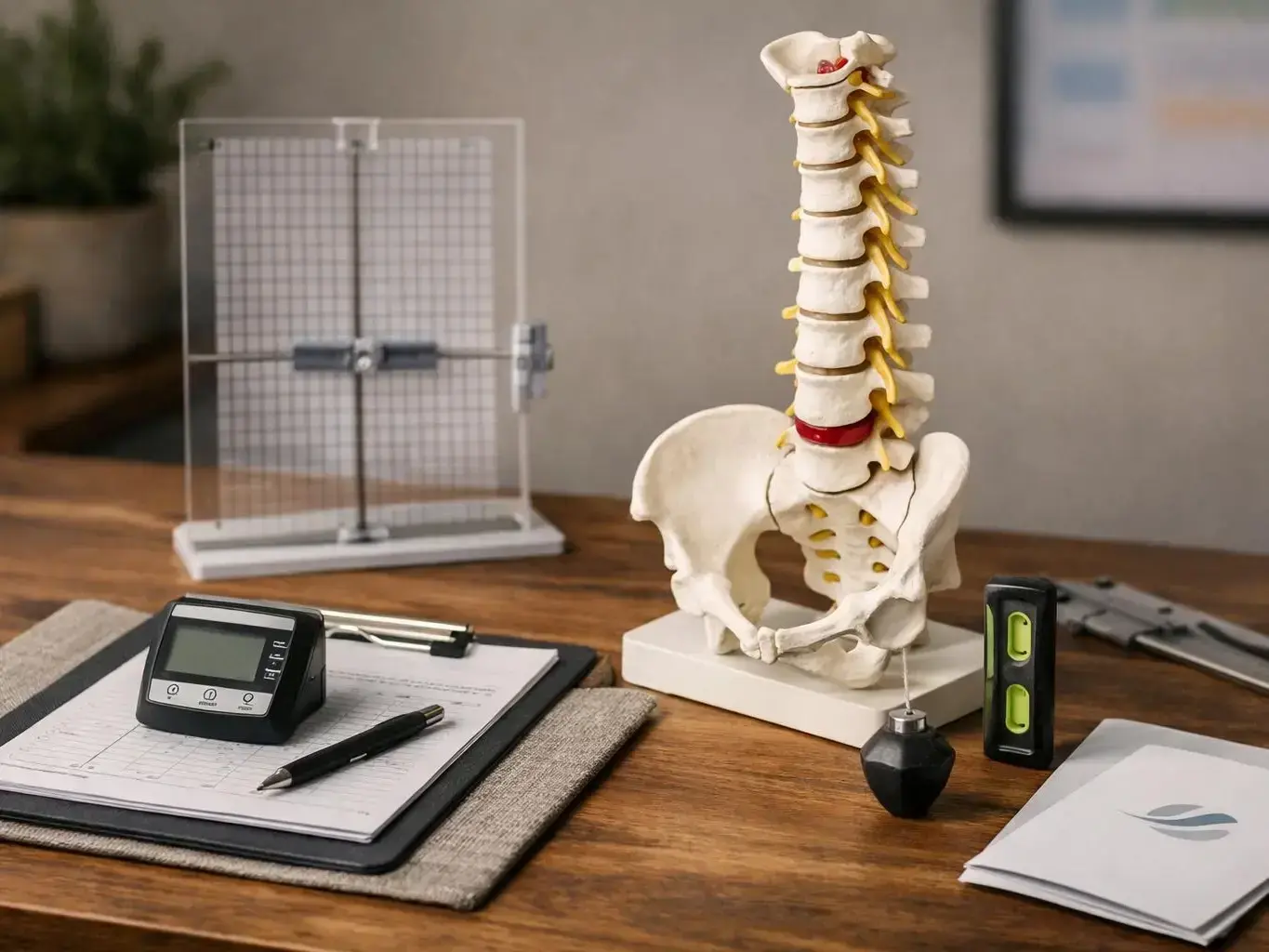
Understanding Chiropractic Table

A Chiropractic Table is a fundamental tool in chiropractic care, designed to support patients during spinal adjustments and other therapeutic techniques. Unlike standard exam tables, Chiropractic Tables feature specialized designs that allow chiropractors to position patients safely and comfortably while performing precise manipulations. These tables often include adjustable sections, such as headrests, pelvic pieces. Or thoracic supports, which can be raised, lowered. Or angled to target specific areas of the spine or joints.
Related glossary terms: Chiropractic Adjustment, Flexion-Distraction, Diversified Technique.
The primary purpose of a Chiropractic Table is to boost the effectiveness of chiropractic treatments while minimizing discomfort for the patient. Many tables also incorporate drop mechanisms, which are sections that can be quickly lowered during an adjustment to assist the chiropractor in applying force with greater accuracy and less effort. This feature helps reduce the risk of injury and improves the overall experience for both the patient and the practitioner.
How Chiropractic Table Works?
Chiropractic Tables operate on principles of ergonomics and biomechanics to help with safe and effective adjustments. Most tables are constructed with a sturdy frame, often made of steel or aluminum, to support the weight of patients while allowing for smooth movement. The surface of the table is typically padded with high-density foam and covered with easy-to-clean vinyl or upholstery, ensuring both comfort and hygiene.
One of the key features of many Chiropractic Tables is the drop mechanism, which is a section of the table that can be set to drop slightly when pressure is applied. This mechanism allows the chiropractor to deliver a controlled thrust to a specific joint or vertebra, helping to restore proper alignment with minimal force. For example, during a Diversified Technique adjustment, the chiropractor may use the drop piece to target the lumbar spine, allowing gravity to assist in the correction.
Chiropractic Tables also come in various designs to accommodate different techniques. For instance, flexion-distraction tables are used for spinal decompression therapy. While elevation tables allow patients to be positioned in a seated or reclined posture. Some tables are even motorized, enabling chiropractors to adjust the height or angle with the touch of a button, which can be particularly useful for patients with mobility limitations.
Why Chiropractic Table Matters?

The design and functionality of a Chiropractic Table play a critical role in the success of chiropractic treatments. A well-designed table ensures that patients remain comfortable and properly positioned, which is essential for achieving accurate adjustments. Discomfort or improper positioning can lead to muscle tension, making it more difficult for the chiropractor to perform the adjustment effectively. And the use of a Chiropractic Table reduces the physical strain on chiropractors, allowing them to perform multiple adjustments throughout the day without excessive fatigue.
Chiropractic Tables also contribute to patient safety by minimizing the risk of injury during treatments. The drop mechanisms and adjustable sections help chiropractors apply the right amount of force in the correct direction, reducing the likelihood of overexertion or misalignment. For patients with specific conditions, such as herniated discs or spinal stenosis, specialized tables can provide targeted support, making treatments more effective and comfortable.
When Chiropractic Table Matters Most?
Chiropractic Tables are particularly important in situations where precision and patient comfort are critical. For example, during the treatment of acute injuries, such as whiplash or disc herniations, the ability to position the patient correctly can significantly impact the outcome of the adjustment. Similarly, for patients with chronic conditions like sciatica or scoliosis, a Chiropractic Table that supports gentle, repetitive motions can help alleviate pain and improve mobility over time.
A practical next step is Chiropractic Tables also matter when performing techniques that require specific patient positioning. For instance, the Thompson Technique relies on a drop table to assist in the adjustment process. While the Gonstead Technique often uses a pelvic bench to stabilize the patient. In pediatric or geriatric chiropractic care, tables with adjustable heights and extra cushioning can make treatments safer and more accessible for patients with unique needs. Ultimately, the right Chiropractic Table enhances the quality of care and ensures that treatments are both effective and comfortable for patients of all ages and conditions.