Glossary

What is Mobilization?

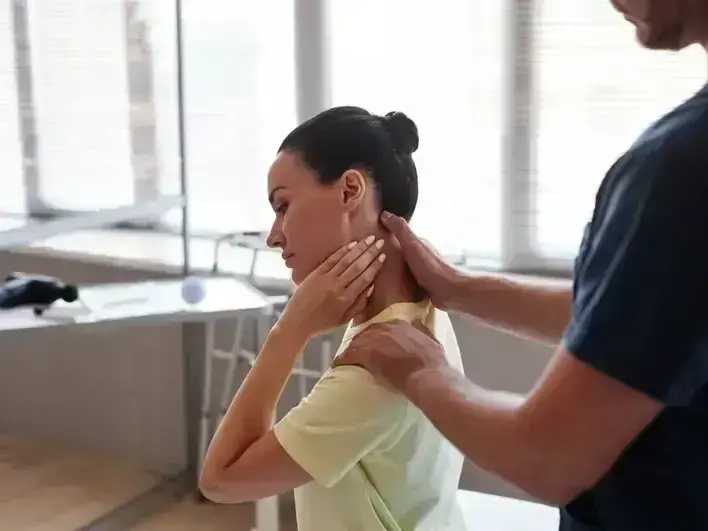
Mobilization is a gentle, hands-on technique chiropractors use to restore movement in stiff or restricted joints. Mobilization involves slow, controlled stretches and movements applied to the spine or other joints to improve flexibility, reduce pain. And support natural healing without forceful thrusts.

Reviewed by ChiropractorNewnan.linkSources reviewed: American Chiropractic Association, National Board of Chiropractic Examiners

Quick Facts About Mobilization

Category

Chiropractic technique

Used for

Joint stiffness, pain relief, flexibility improvement

Common confusion

Often mistaken for spinal adjustments (which use quick thrusts)

Also called

Joint Mobilization, Manual Mobilization

Often discussed with

Chiropractic Consultation and Diagnosis, Neck Injury Treatment

Key Takeaways About Mobilization

Understanding Mobilization
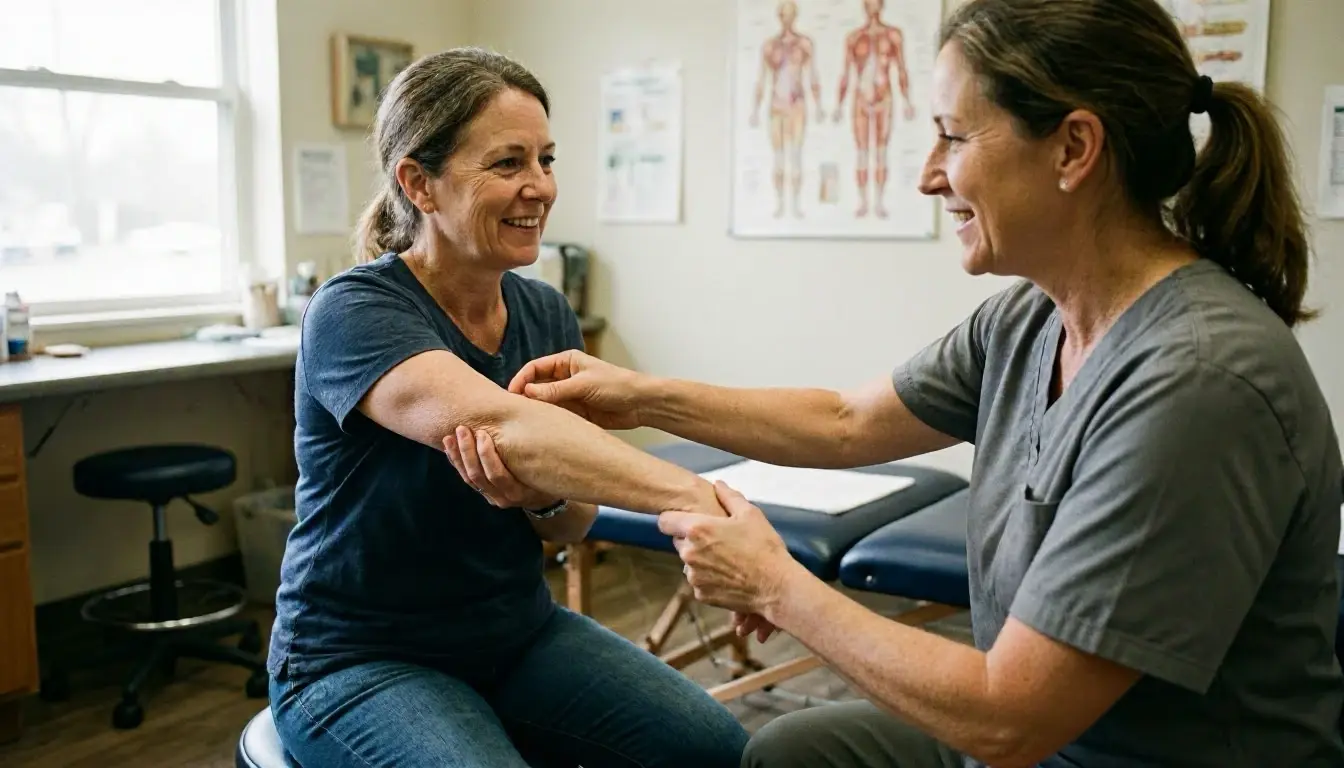
Mobilization in Chiropractor: Mobilization is a gentle, hands-on technique chiropractors use to restore movement in—visual...

Chiropractors use mobilization to help joints move better. It's a gentle way to treat stiff or sore joints.

Related glossary terms: Chiropractic Adjustment, Soft Tissue Therapy, Flexion-Distraction.

This method uses slow, smooth movements. It's not like adjustments that use quick pushes.

These movements stretch the joint and muscles around it. This helps joints move the way they should.

The goal is to cut stiffness and pain. It also helps joints work better without hurting.

Some people can't handle fast adjustments. Mobilization works well for them.

This includes people with bad pain or older adults. It's also good for those healing from injuries.

It helps joints like shoulders, hips. And knees. Slow movements let people move easier and with less pain.

How Mobilization Works?

During a session, the patient lies down or sits. The chiropractor makes sure they are comfy.

The chiropractor puts gentle pressure on the joint. They move it in a natural way.

They do this over and over. The movements get bigger as the joint loosens.

They might mix this with other treatments. This helps get even better results.

This works by waking up tiny nerves in the joint. These nerves feel movement.

This cuts down pain signals sent to the brain. It also helps the joint move better.

Over time, the joint learns to work right. Muscles around it get better too.

People often feel better right away. But they may need more visits for long-term help.

Why Mobilization Matters?

How Mobilization applies to Chiropractor services in Newnan, United States—practical illustration

Mobilization is safe and gentle. It helps with stiff and sore joints.

Many people have trouble moving. This can come from injuries or bad posture.

If not fixed, it can cause long-term pain. It can also hurt other parts of the body.

Mobilization helps stop this cycle. It lets joints move right again.

It works for people of all ages. That makes it a great tool for chiropractors.

Athletes use it to heal from injuries. Older adults use it to keep joints healthy.

It also helps with posture. Better posture eases stress on the spine.

When Mobilization Matters Most?

Mobilization helps stiff or sore joints. This can happen from not moving, injury. Or age.

People hurt in car accidents may get whiplash. This can make neck movement hard.

Mobilization can help the neck move again. It cuts pain and stops long-term stiffness.

People with arthritis can also use it. It keeps joints loose and cuts discomfort.

Some people don't like fast adjustments. Mobilization is a gentler choice.

It's good for those with bad pain. It's also good for people new to chiropractic care.

Mobilization gives the benefits of hands-on care. But it doesn't use forceful pushes.

Chiropractors often mix it with other treatments. This helps people heal and stay well.
How to Evaluate Mobilization?

Related Concepts Compared

Mobilization vs. Chiropractic Adjustment

Adjustments use quick, targeted thrusts to realign joints. While mobilization uses slow, controlled movements to improve joint flexibility.

Mobilization vs. Soft Tissue Therapy

Soft tissue therapy focuses on muscles and tendons. While mobilization targets joint movement and flexibility.

Expert Note

Mobilization is especially effective when combined with active patient participation, such as prescribed stretches or exercises. This approach helps reinforce the gains made during treatment and supports long-term joint health.

Common Mistakes or Myths About Mobilization

  • Assuming mobilization is the same as a spinal adjustment—mobilization is gentler and uses slower movements.
  • Expecting immediate results after one session—multiple sessions may be needed for lasting improvement.
  • Believing mobilization is only for the spine—it can be used on shoulders, hips, knees. And other joints.
  • Ignoring post-treatment advice, like stretches or exercises, which help maintain progress.

Mobilization in Practice: A Real-World Example

A patient visits a chiropractor in Newnan, GA, complaining of stiff shoulders after working long hours at a desk. The chiropractor uses mobilization to gently move the shoulder joint through its range of motion. After a few sessions, the patient notices improved flexibility and less discomfort when reaching overhead.

Related Services

Related Terms

Chiropractic Adjustment

Chiropractic Adjustment is a precise, hands-on procedure where a licensed chiropractor applies controlled force to a specific joint in the spine or other body part. The goal is to improve alignment, restore proper movement. And reduce pain or discomfort caused by misaligned bones, muscles. Or nerves. Adjustments are typically quick and may produce a popping sound as gas escapes the joint.

Soft Tissue Therapy

Soft Tissue Therapy is a hands-on treatment that targets muscles, tendons, ligaments. And fascia to reduce pain, improve mobility. And aid recovery. Soft Tissue Therapy uses techniques like massage, stretching. And pressure to break up scar tissue, release tension. And enhance blood flow to injured or overworked areas.

Flexion-Distraction

Flexion-Distraction is a gentle, non-surgical chiropractic technique used to treat spinal conditions like disc herniation, sciatica. And stenosis. It involves a specialized table that rhythmically stretches and flexes the spine to reduce pressure on spinal nerves, improve disc hydration. And restore motion. The method is evidence-based and widely used for patients who need low-force care.

Motion Palpation

Motion Palpation is a hands-on diagnostic technique chiropractors use to assess joint movement and identify areas of stiffness, restriction. Or abnormal motion in the spine or other joints.

Extremity Adjusting

Extremity Adjusting is a chiropractic technique focused on correcting misalignments in joints outside the spine, such as shoulders, elbows, wrists, hips, knees, ankles. And feet. These adjustments aim to restore proper movement, reduce pain. And improve function by applying controlled force to the affected joint.

ChiropractorNewnan.link

Have Questions About Mobilization?

Contact ChiropractorNewnan.link for practical guidance on Mobilization and related chiropractor work in Newnan.

+1 770-692-1041