Understanding Spinal Decompression
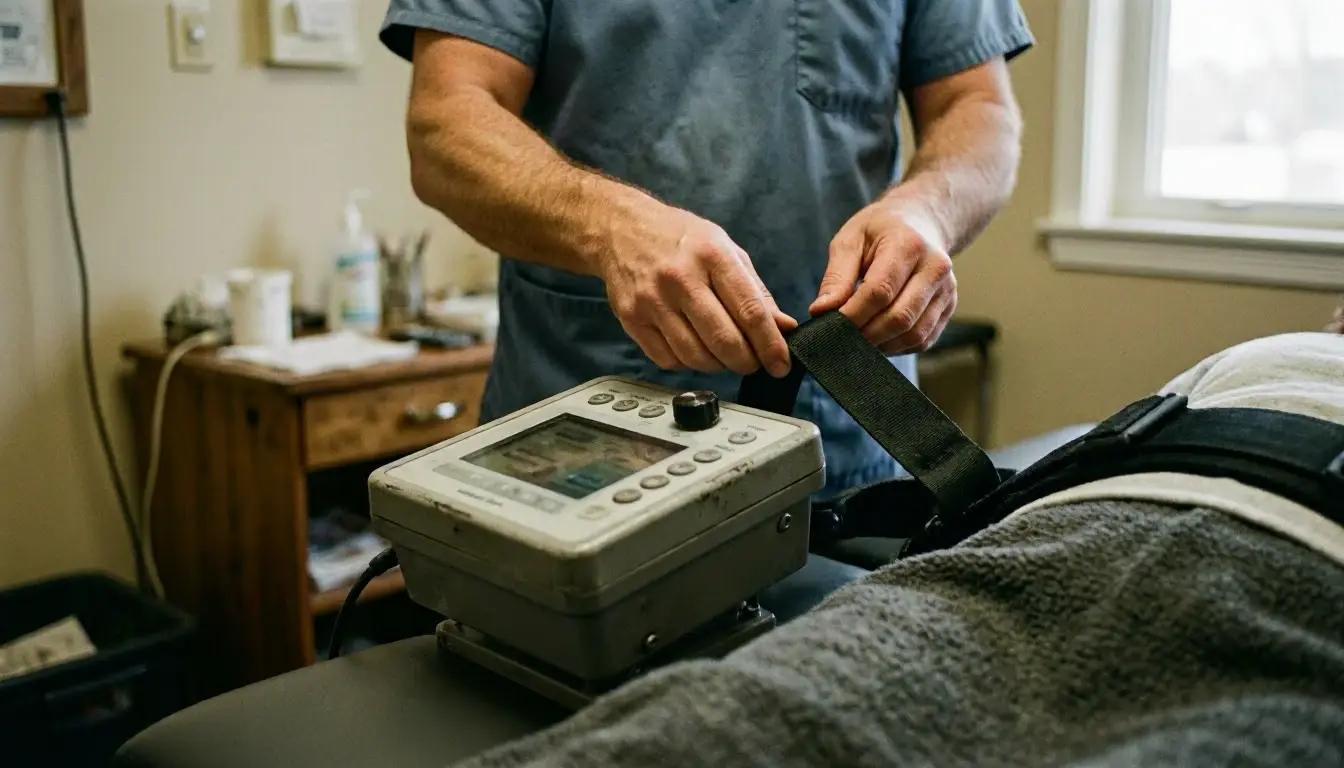
Spinal Decompression helps the spine. It treats problems like pinched nerves or hurt discs.
Related glossary terms: Decompression Therapy, Disc Herniation, Lumbar Spine.
The spine has bones called vertebrae. Soft discs sit between them. They act like cushions.
Discs can wear down over time. They can bulge or break. This presses on nerves.
That causes pain, numbness. Or weakness. It can happen in your back, neck, arms. Or legs.
Spinal Decompression stretches the spine gently. This makes space between bones.
It may help discs move back into place. It can also help nutrients and oxygen flow better.
Doctors or therapists do this treatment. They work in clinics. It doesn't need surgery or medicine.
It's often part of a bigger plan. The plan may include exercises or other therapies.
It's not a cure for everything. But it can help some people.
It works best for those who tried other treatments first. Things like rest or ice didn't help them.
How Spinal Decompression Works?
Spinal Decompression uses a special table. The table stretches the spine gently.
The patient lies on the table. The table moves in set ways. It targets the hurt part of the spine.
It stretches and relaxes the spine in cycles. This creates a pumping action.
That may pull bulging discs back into place. It can also help fluids flow into discs.
These fluids have water, oxygen. And nutrients. They may help healing and reduce swelling.
Each session lasts 20 to 45 minutes. Most people need many sessions.
You may need them for several weeks. It depends on how bad the problem is.
Some feel better after a few sessions. Others need ongoing treatment.
It doesn't usually hurt. Some feel a mild stretch.
Doctors often mix it with other treatments. These can be heat, cold. Or sound waves.
For example, they may use electricity. This relaxes muscles around the spine.
That can make the stretch work better. Your doctor will make a plan just for you.
They'll check your progress often.
Why Spinal Decompression Matters?
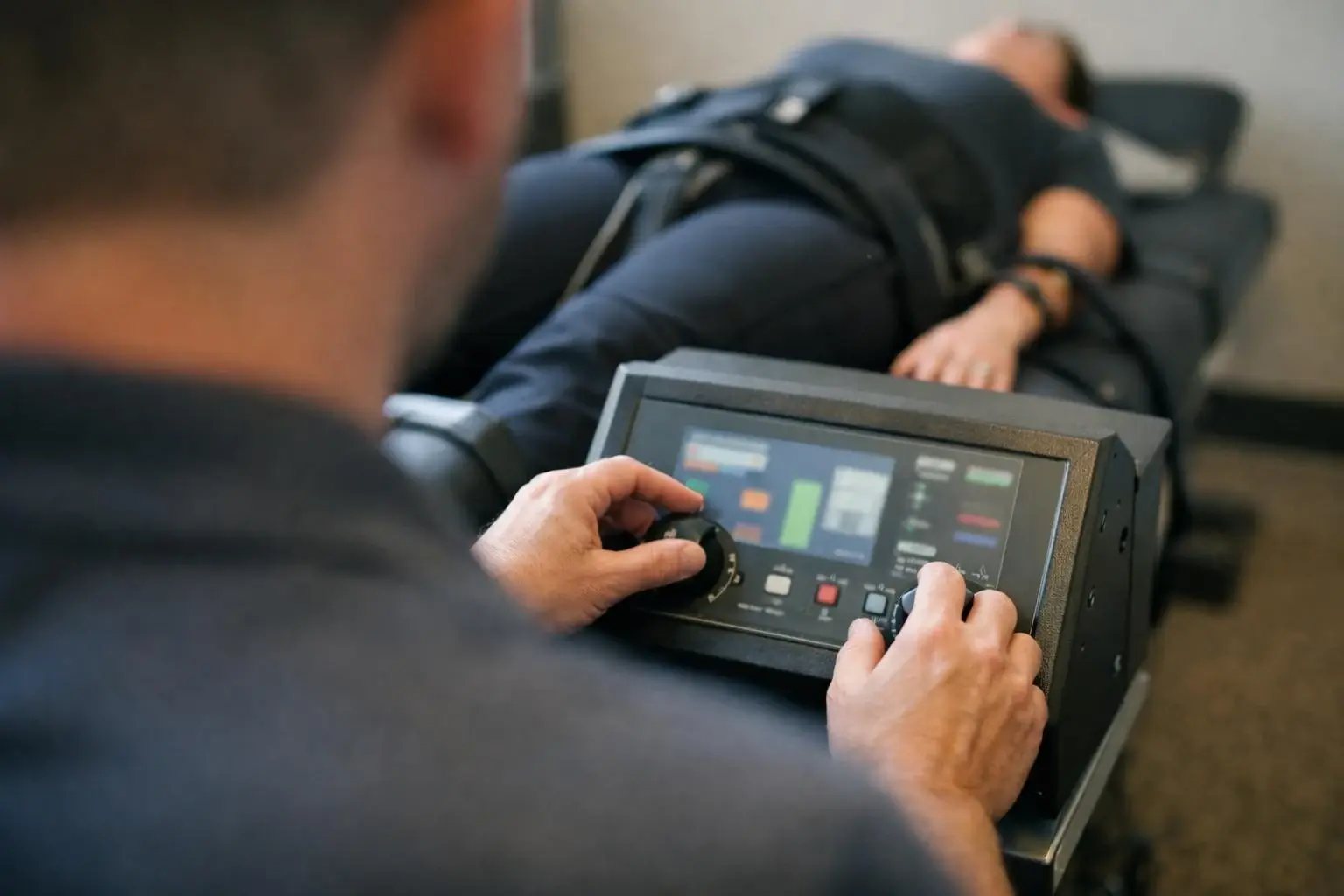
Spinal Decompression helps without surgery. It's good for long-term back or neck pain.
Surgery can be risky and costly. It also takes a long time to recover.
Many people try other options first. This treatment may help them avoid surgery.
It can also help them feel less pain. They can get back to daily life.
It may help them move better. Their life quality can improve.
This treatment can fix the real problem. It doesn't just cover up pain.
Pain pills help for a short time. But they don't fix a bulging disc.
Spinal Decompression targets the source. That may give longer relief.
It can also lower the chance of pain coming back. But results aren't the same for everyone.
When Spinal Decompression Matters Most?
Spinal Decompression helps with certain spine problems. These include herniated or bulging discs.
It can also help with worn-out discs. Or pain that shoots down your leg.
It's good for people who tried other treatments. Things like pills or therapy didn't help.
People with long-term back or neck pain may try it. So can those with numbness or tingling.
But it's not for everyone. People with broken bones or tumors shouldn't try it.
Those with very weak bones can't do it, Nor can people with spine infections.
Pregnant women shouldn't try it. People with metal in their spine can't either.
Before starting, a doctor checks your health. They may take pictures of your spine.
This can be an MRI or X-ray. They'll see if the treatment is safe for you.
If you live near Newnan, GA, a local doctor can help. They'll see if it's right for you.