How does strength training support athletic recovery?
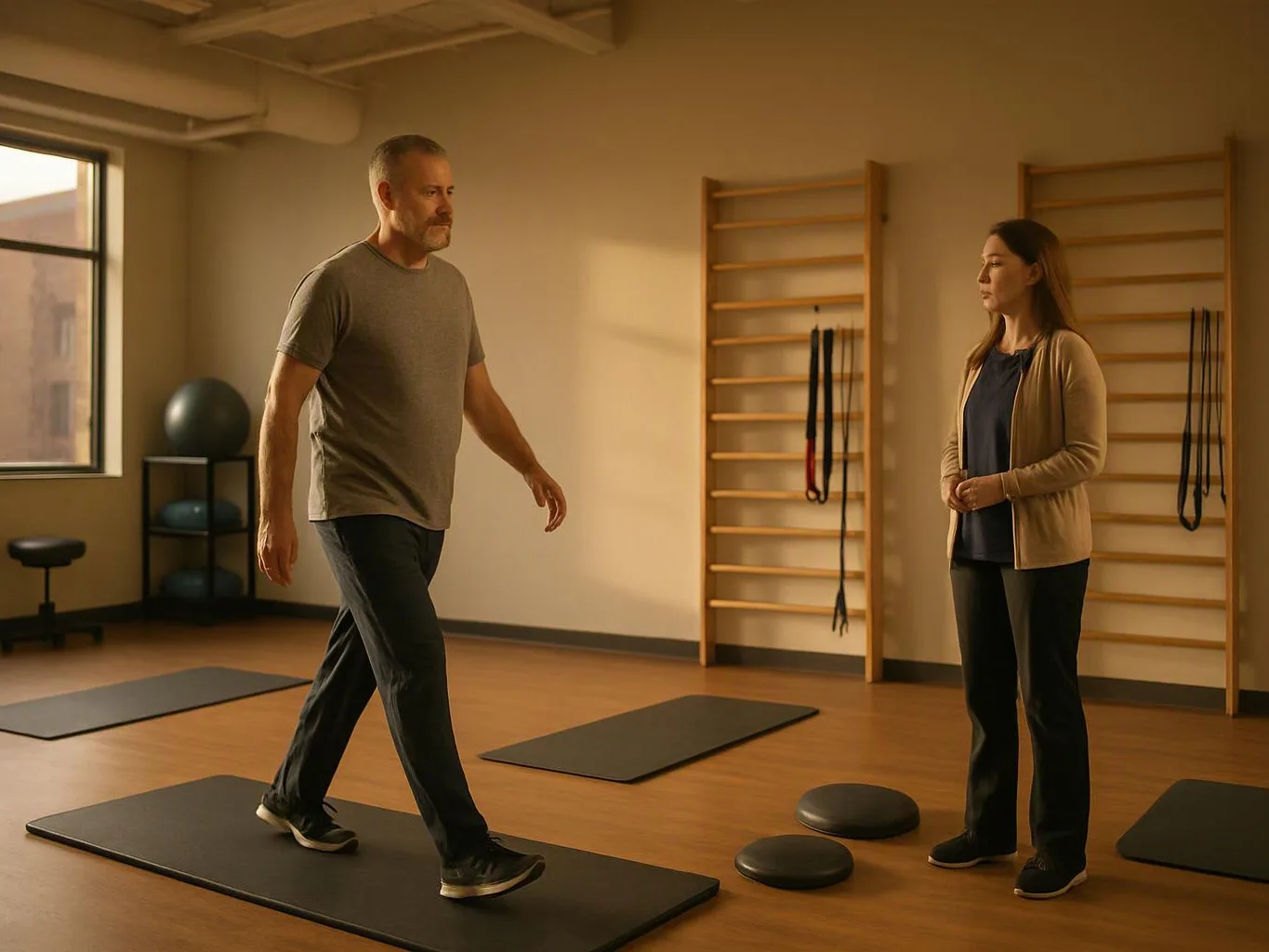
Strength training supports athletic recovery when exercises match the athlete’s current movement and tolerance. We review strength, mobility, and control before adding training tasks. The plan may use rehabilitation exercises, mobility drills, and movement review. Progress checks help decide when activity should change, while individual response differs from person to person.
What should I ask before agreeing to sports injury care?
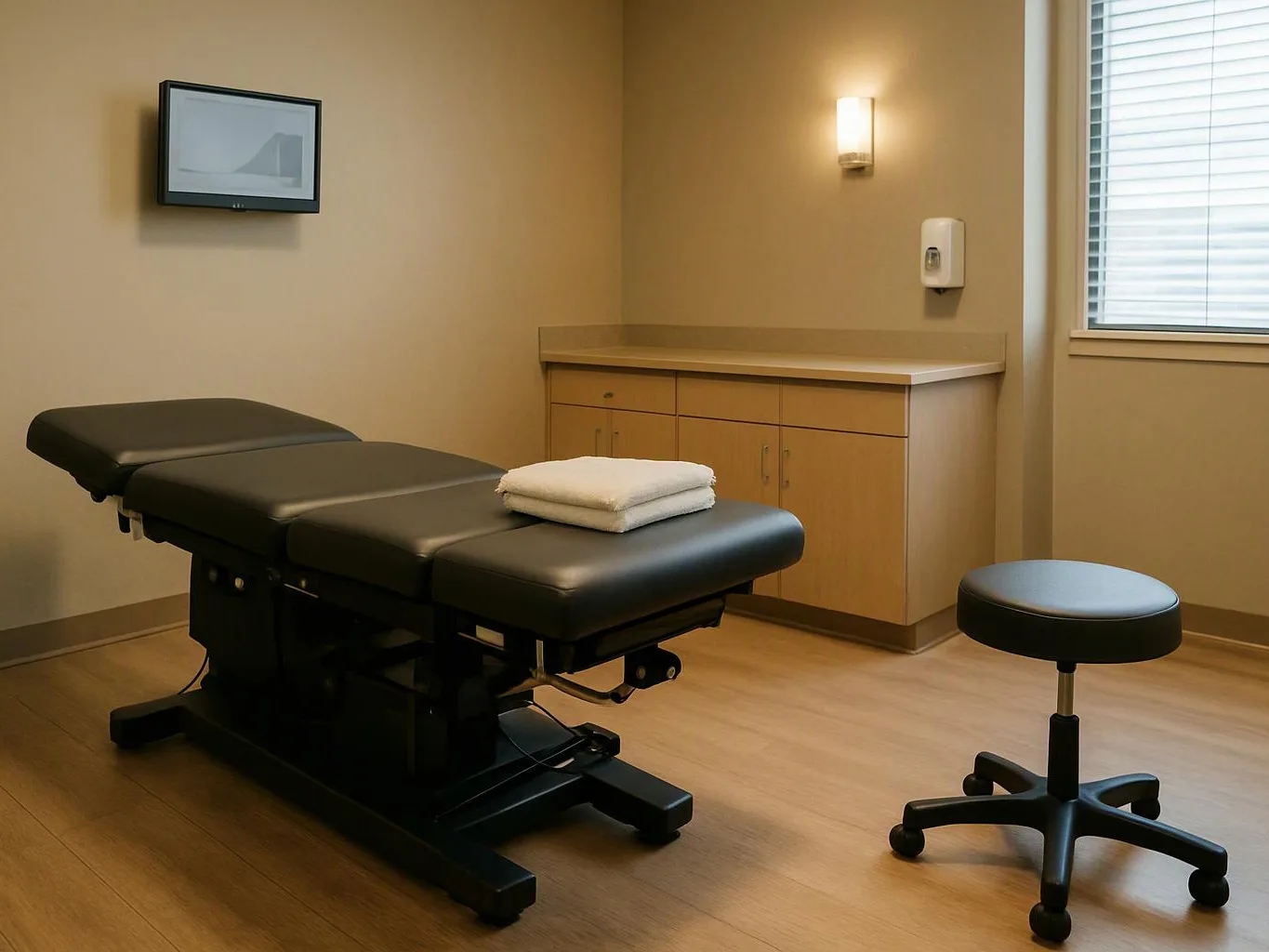
A consultation should explain the exam findings, proposed methods, expected check-ins, and signs that need medical care. Ask which symptoms the plan addresses and how progress will be reviewed. You can also ask how adjustments, manual therapy, and rehabilitation exercises fit your sport. We offer free consultations before treatment decisions.
Which condition changes the time needed for recovery work?
The injury’s severity, range of motion, pain response, prior history, and training demands can change the time needed for recovery work. A health history and exam help identify those factors. We then adjust mobility drills, manual therapy, and rehabilitation tasks to match your current ability instead of using one fixed plan.
When should I seek care after a sports injury?
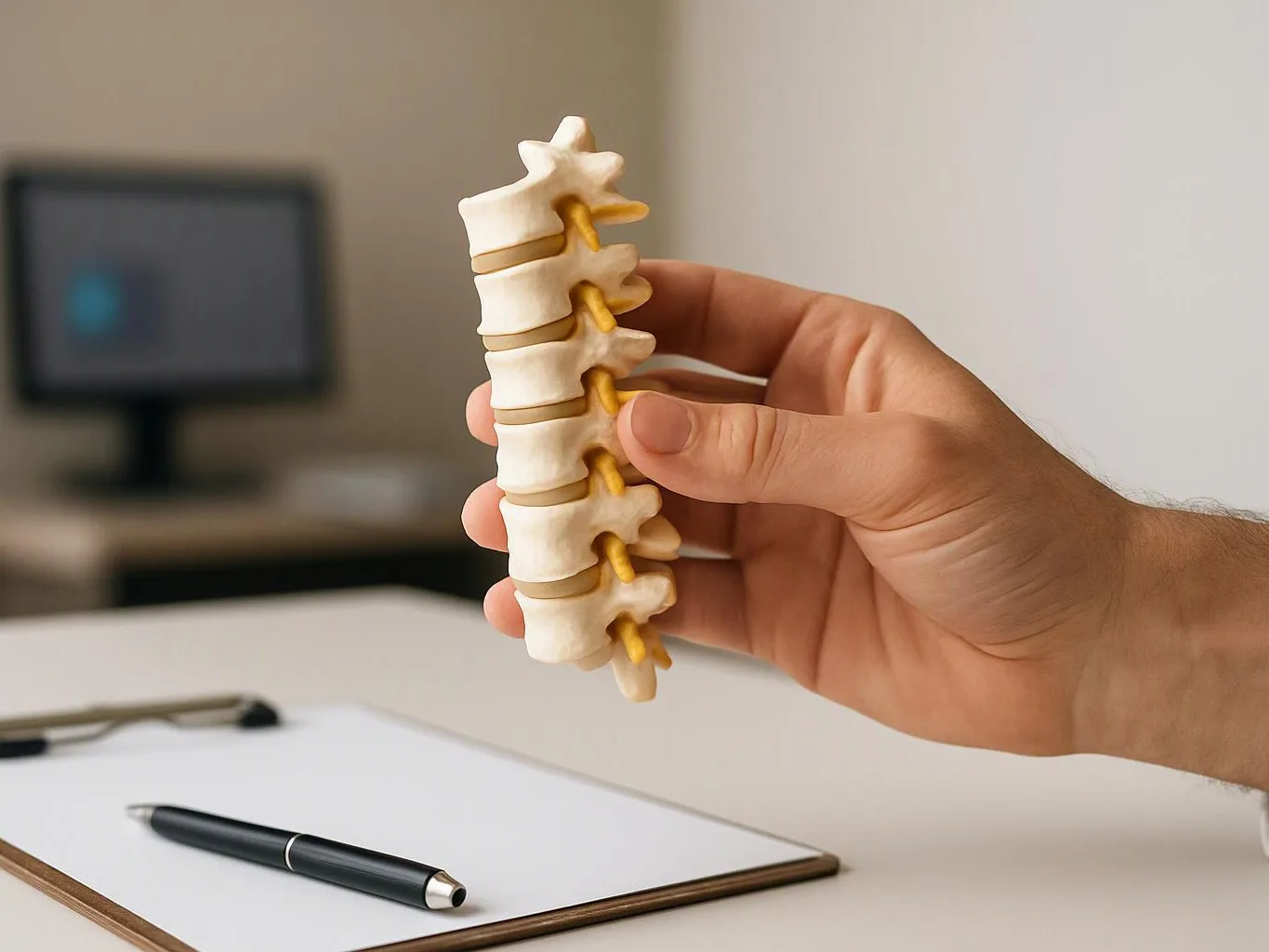
Seek care when pain, stiffness, weakness, or limited motion keeps affecting training or daily activity. An evaluation can clarify whether the problem involves a joint, spine, muscle, or soft tissue. Seek prompt medical assessment for suspected fractures, severe neurological symptoms, major swelling, or loss of function before starting routine chiropractic care.
Why might pain return after an athlete resumes training?
Pain may return when training load increases faster than mobility, strength, or movement control can handle. Movement analysis helps identify the activity that brings symptoms back. Our team can then review the care plan, including soft tissue therapy, adjustments, mobility work, and return planning. Results vary, so progress checks matter.
How is care matched to an athlete before treatment starts?
The care plan is matched to the athlete through a health history, physical exam, movement review, and discussion of sport demands. Findings guide the choice of adjustments, traction, manual therapy, or rehabilitation exercises. We also consider prior injuries and current symptoms. This approach helps keep the plan tied to the athlete’s actual needs.
What information should I bring to my first appointment?
Bring a list of current medicines, prior injuries, recent treatment, and details about when symptoms began. Describe the sport, training load, and movements that increase discomfort. Imaging or medical records may also help when available. These details give the evaluation more context and help us discuss suitable care options.