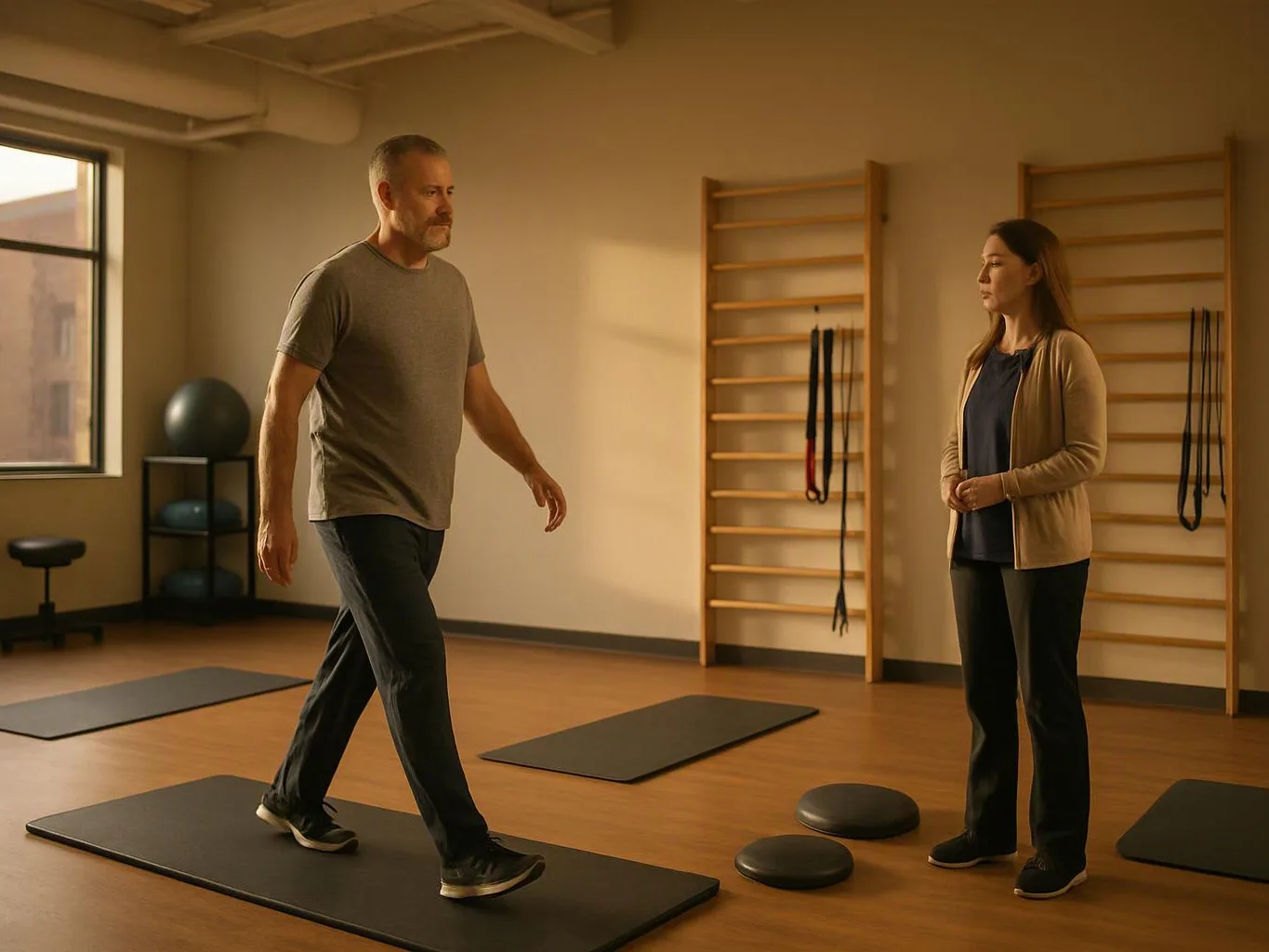
What exercises are used in corrective exercise therapy?
Resistance bands are used with stretching routines, balance exercises, and postural drills. Arrowhead Clinic Chiropractor Newnan selects exercises after reviewing your movement, strength, balance, and symptoms. The plan can fit injury recovery, chronic discomfort, or mobility limits. We explain each exercise and adjust the routine when your findings or movement needs change.
How is corrective exercise therapy matched to my movement before work starts?
The movement exam determines which exercises fit your current ability. We review your health history, posture, range of motion, strength, balance, and painful movements. Your plan may include stretching, postural drills, or guided strengthening based on those findings. Tell us which daily tasks feel difficult, so we can connect the routine to your actual goals.
What should be ready before corrective exercise therapy starts?
Your symptom history and current care details should be ready before the first exercise session. Bring information about prior injuries, accident details, medications, and movements that increase discomfort. Wear clothing that lets you move comfortably. A complete intake helps our team choose safer exercises and decide whether hands-on care should accompany rehabilitation.
What should I ask before agreeing to corrective exercise therapy?
Ask which exam finding each exercise addresses and how progress will be reviewed. You should also ask how the routine fits your current symptoms, what changes require a call, and whether chiropractic care is part of the plan. Clear answers help you understand the purpose of each movement before you begin practicing it.
Which care may accompany corrective exercise therapy?
Spinal decompression, Cox Flexion-Distraction Therapy, diversified adjustments, TENS therapy, traction, and myofascial release may accompany exercise when they fit the evaluation. No single method suits every client. We explain why a service belongs in the plan and consider your symptoms, movement limits, prior injuries, and care goals before adding it.
When should I stop an exercise and tell the care team?
Stop the exercise and report a new or worsening symptom to our care team. Do not push through sharp pain, new weakness, unusual numbness, or a symptom that changes your normal pattern. We need to know what happened, which movement caused it, and how your body felt afterward. Urgent symptoms may require medical attention.
Why might corrective exercise therapy be the wrong starting point?
Serious or urgent symptoms should be assessed before corrective exercise begins. Exercise may not be the right first step when a client has a new severe symptom, major loss of function, or an injury needing medical evaluation. Share the full history during intake, so we can identify whether rehabilitation fits the situation.