What should I expect during spinal decompression therapy?
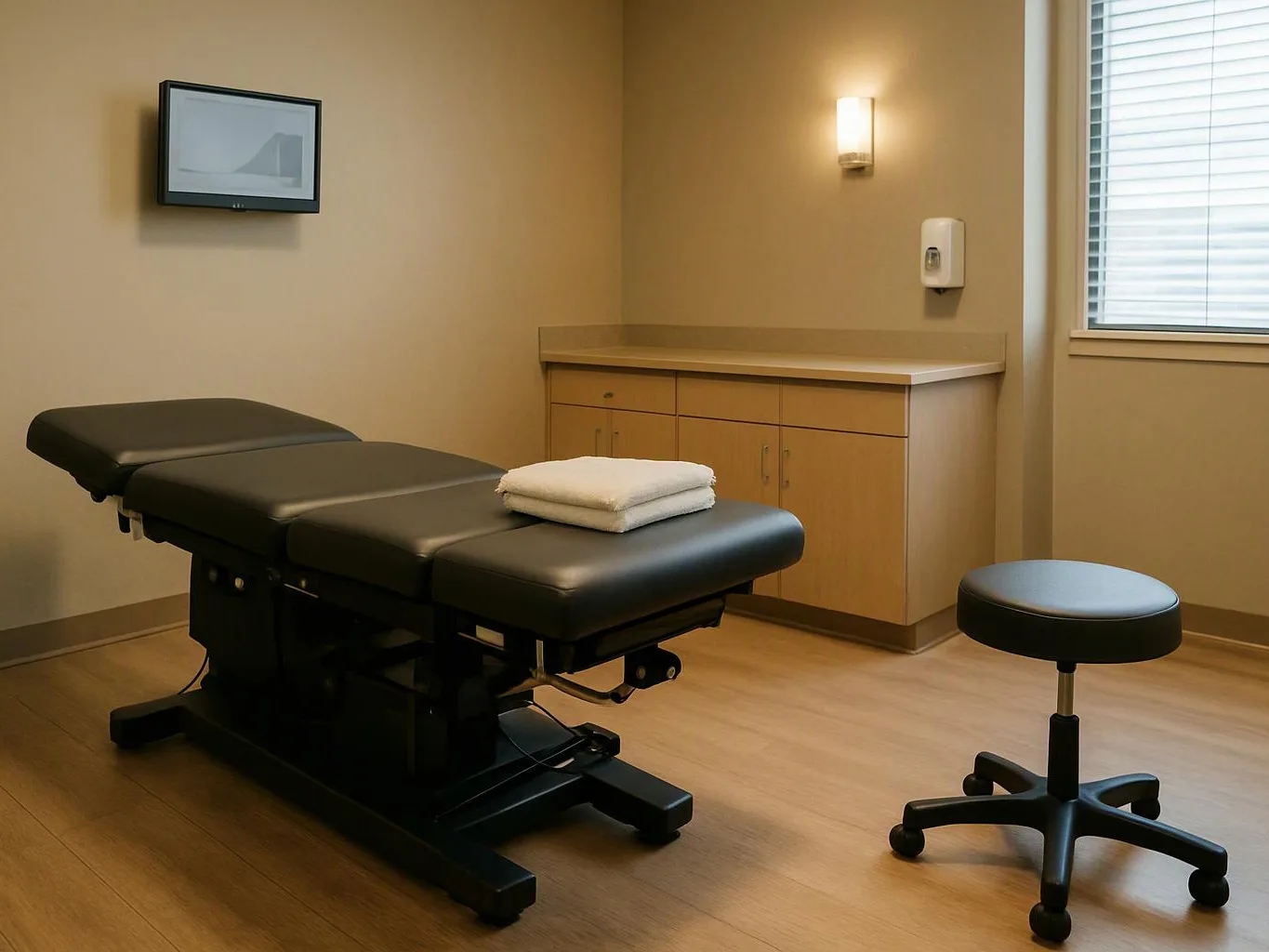
Treatment assessment comes first, and it checks your symptoms, movement, and health history. Arrowhead Clinic Chiropractor Newnan then explains harness positioning and gradual traction before the session begins. Session monitoring continues during care so you can report changes in comfort. The final step is a review of your response and the next treatment option.
Which symptoms should I mention before traction begins?
Numbness, weakness, changing pain, and new headaches should be reported before traction begins. These details help our team judge whether the planned method fits your current condition. Share prior injuries, surgeries, imaging, and current medicines too. Sudden severe weakness or loss of bladder or bowel control needs urgent medical attention.
How does a visit move from the first call to the last step?
The visit moves from health history and movement checks to treatment planning, table positioning, traction, monitoring, and review. The first discussion identifies your main concern and prior care. The exam guides the plan. After the session, we explain what we observed and whether rehabilitation, adjustments, or another option belongs in the next step.
What changes the time needed for a treatment session?
Harness positioning, the planned traction approach, and session monitoring affect the time needed for care. A health history review may add discussion when prior injuries or changing symptoms matter. We don't assign a session length before reviewing your needs. The consultation helps set a realistic plan without promising a fixed duration.
Why might traction not fit my back pain?
Traction may not fit back pain that needs urgent medical care or a different treatment approach. The examination checks symptoms, movement, and health history before we recommend it. Severe weakness, sudden loss of bladder or bowel control, or other urgent warning signs require medical attention. Our team can discuss the safest next step after review.
Can this care address pain after an accident?
Spinal decompression therapy may be considered for accident-related back or neck pain after an evaluation. Whiplash, soft-tissue injury, sciatica, and disc-related symptoms can require different care choices. We document the health history and examine movement before planning treatment. Personal-injury patients can also ask about our legal referral network and care coordination.
How do adjustments differ from spinal decompression?
Diversified adjustments use controlled manual movement, while spinal decompression uses gradual traction on a table. Both methods require an evaluation before care begins. Our team may discuss one method or combine approaches with rehabilitation, soft tissue therapy, or TENS therapy. Individual response differs, so treatment choices follow your symptoms and exam.