What should I expect during spinal decompression therapy?
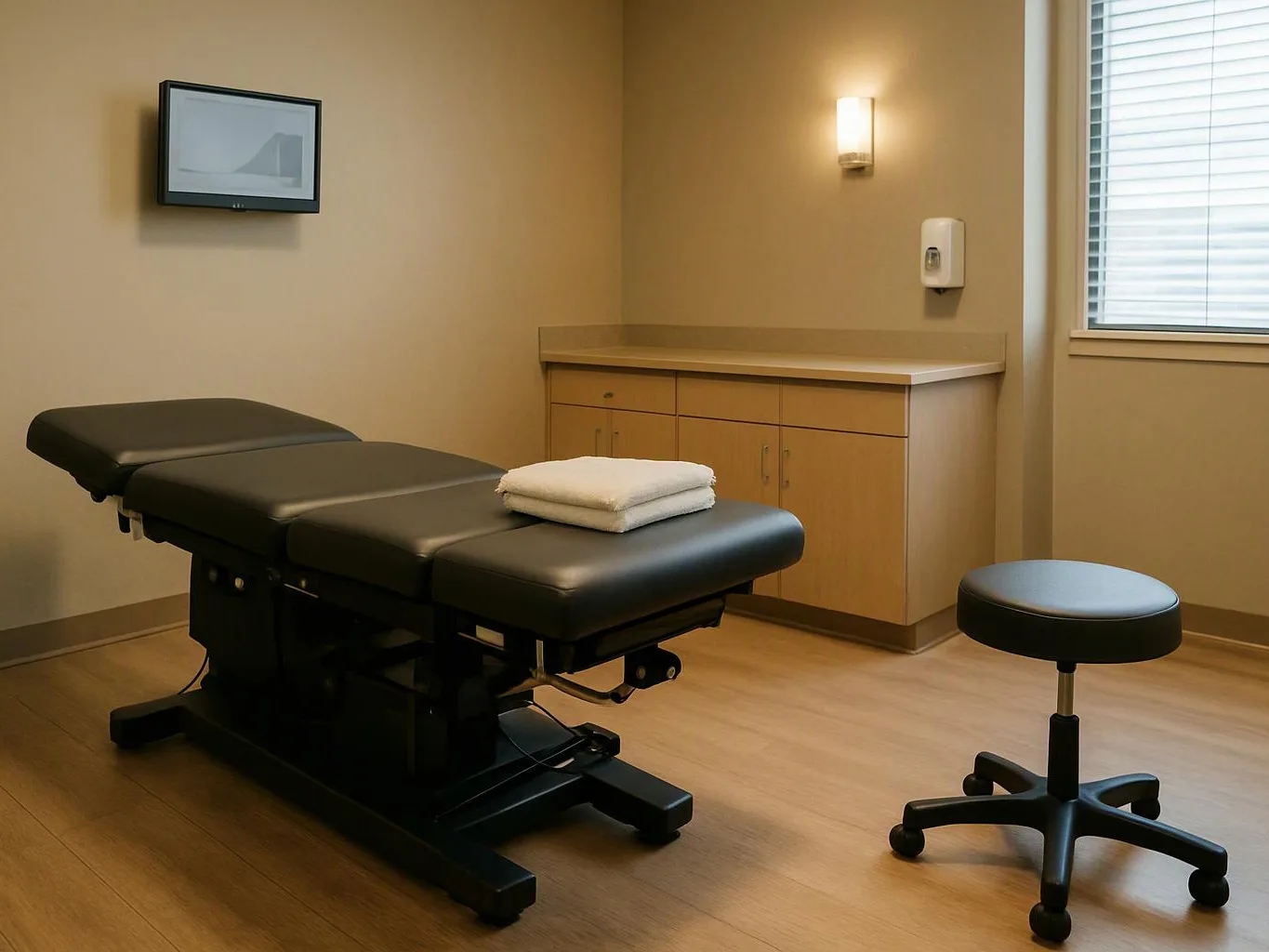
Gradual traction follows a treatment assessment, harness positioning, and a monitored session. The team reviews your health history and symptoms first. You’ll then receive instructions for table positioning and comfort feedback. Tell us about pain, numbness, or pressure during treatment so we can review the plan and decide what comes next.
Who provides spinal decompression therapy for Fairburn patients?
Arrowhead Clinic Chiropractor Newnan provides spinal decompression therapy for Fairburn patients. Our team evaluates musculoskeletal concerns and builds personalized chiropractic treatment plans. Care may include Cox flexion-distraction, traction, adjustments, TENS therapy, or rehabilitation when those options fit your assessment.
What does the team look at first during treatment?
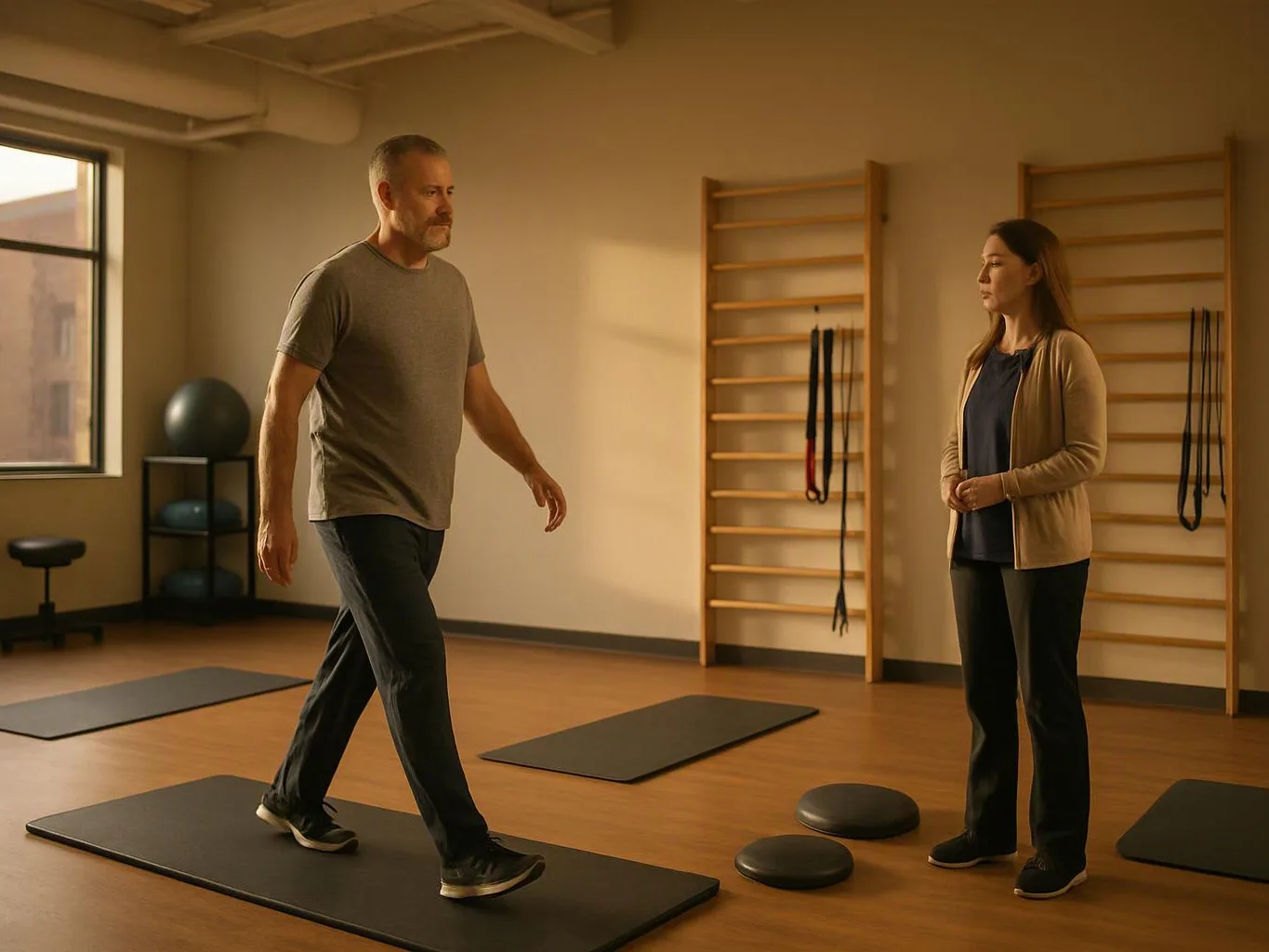
The treatment assessment looks first at your health history, symptoms, movement, and mobility limits. Those findings guide the next step. Bring information about prior injuries, current medicines, and other care. We use your feedback to decide whether traction-based treatment is appropriate.
Which part of care can change the final price?
The treatment plan changes the final price because different patients need different assessments and supporting services. The plan may include traction, rehabilitation, TENS therapy, soft-tissue work, or adjustments. A free consultation gives you a chance to discuss the recommended services and request an exact explanation of what care includes.
When should spinal decompression be checked before scheduling?
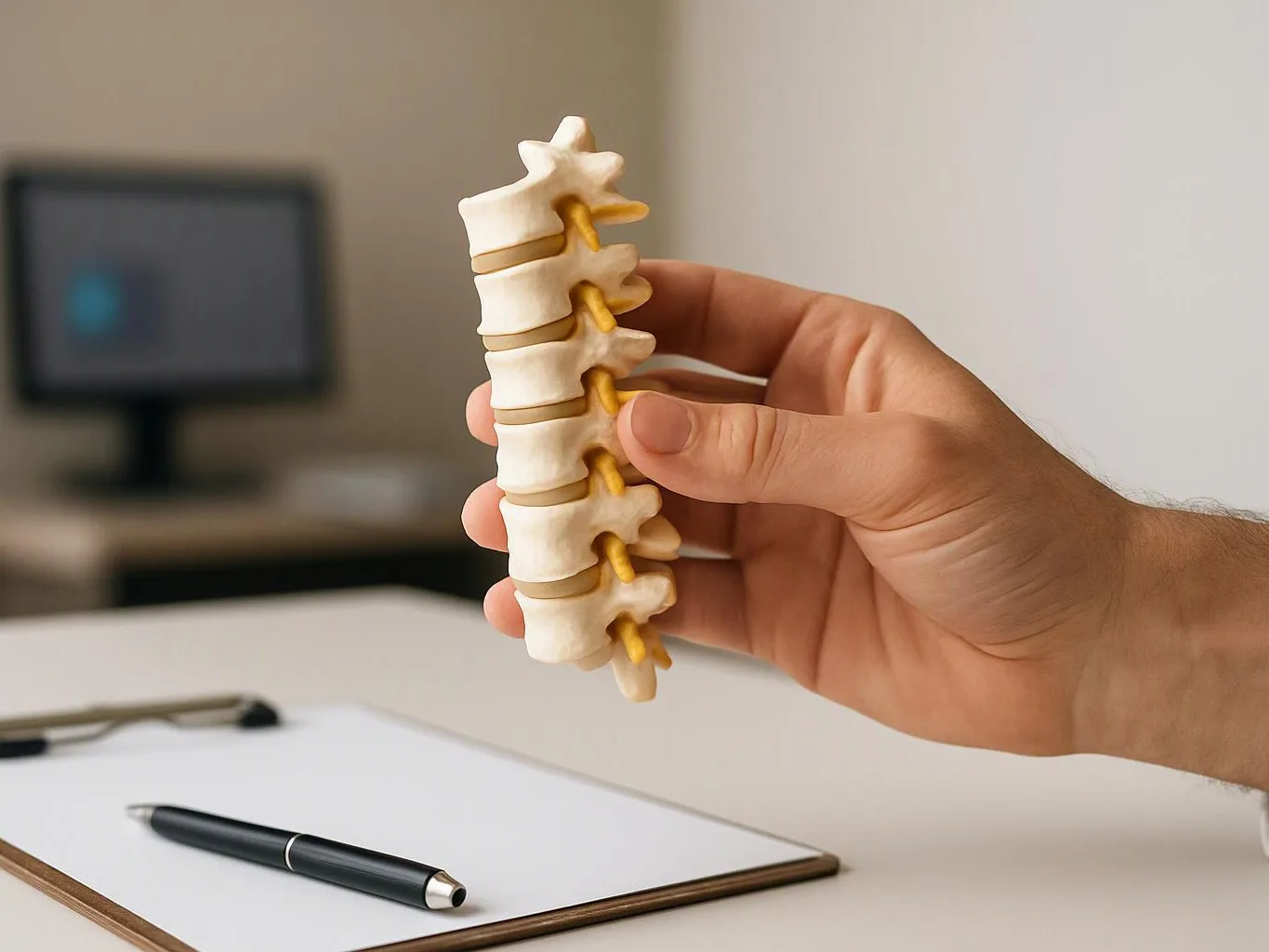
Spinal decompression should be checked during an assessment before scheduling care. The review covers your symptoms, health history, prior injuries, and mobility. Severe weakness, sudden numbness, or loss of bladder or bowel control needs medical attention. Tell our team about those symptoms before discussing traction.
Why might traction care be combined with rehabilitation?
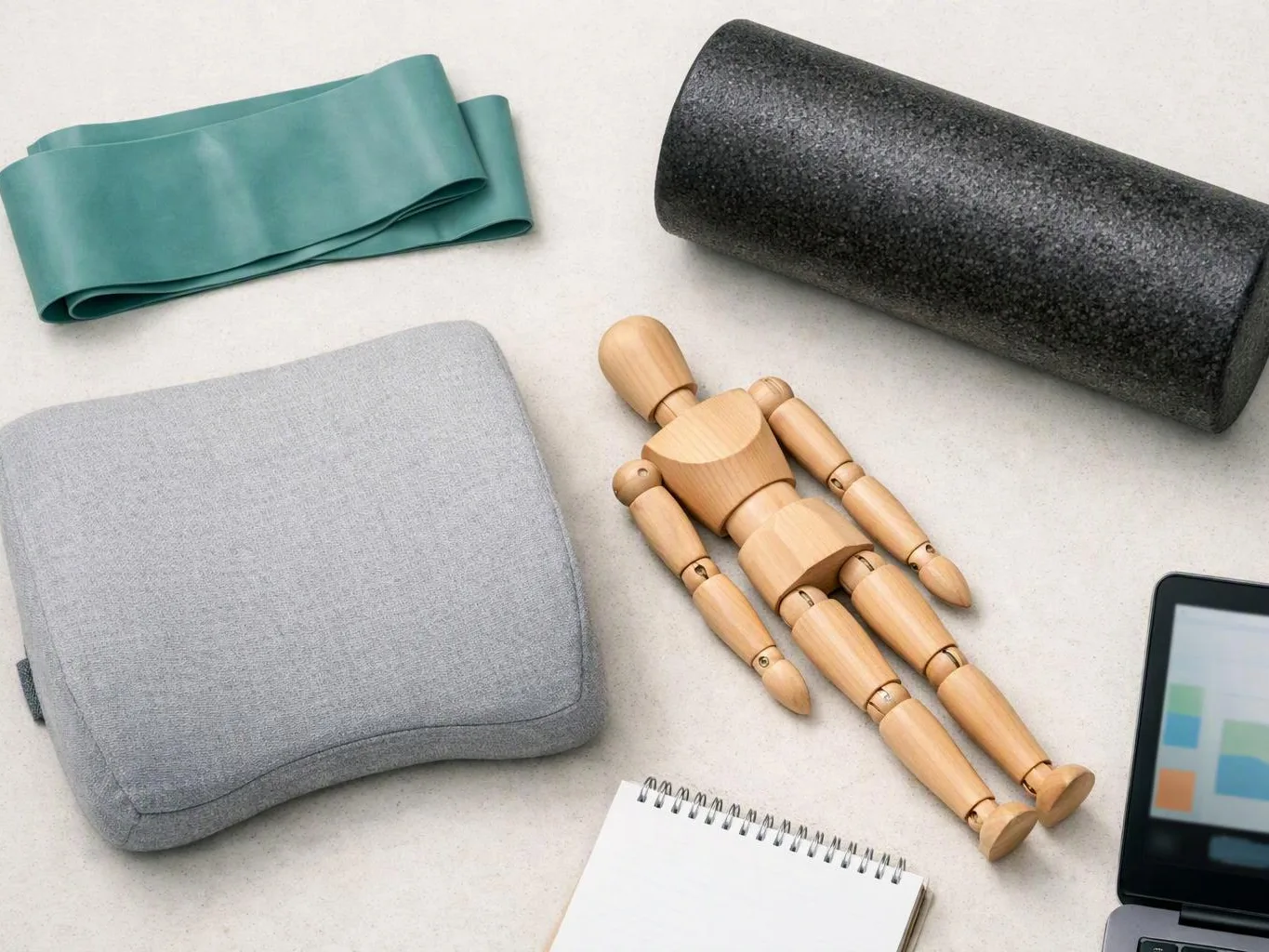
Rehabilitation may be added when pain and limited movement involve more than spinal loading alone. A plan can include mobility work, soft-tissue therapy, kinesiology tape, TENS therapy, or other chiropractic methods. Individual response differs, so progress checks help guide the next stage of care.
How should I prepare for the first consultation?
A health history and symptom record help us prepare for the first consultation. Bring details about when symptoms began, prior accidents, current medicines, and earlier treatment. Comfortable clothing can make movement checks easier. You’ll have time to explain your concerns before we discuss a care plan.