How can a medical clinic coordinate ongoing care?
Care planning coordinates ongoing treatment through evaluations, progress reviews, referrals, and medical records. Arrowhead Clinic Chiropractor Newnan begins with the patient’s history and exam, then connects suitable methods to the findings. The record supports later discussions about mobility, symptoms, and next steps. Personal-injury patients can also receive help with attorney referrals and treatment coordination.
What happens at each stage of the first visit?
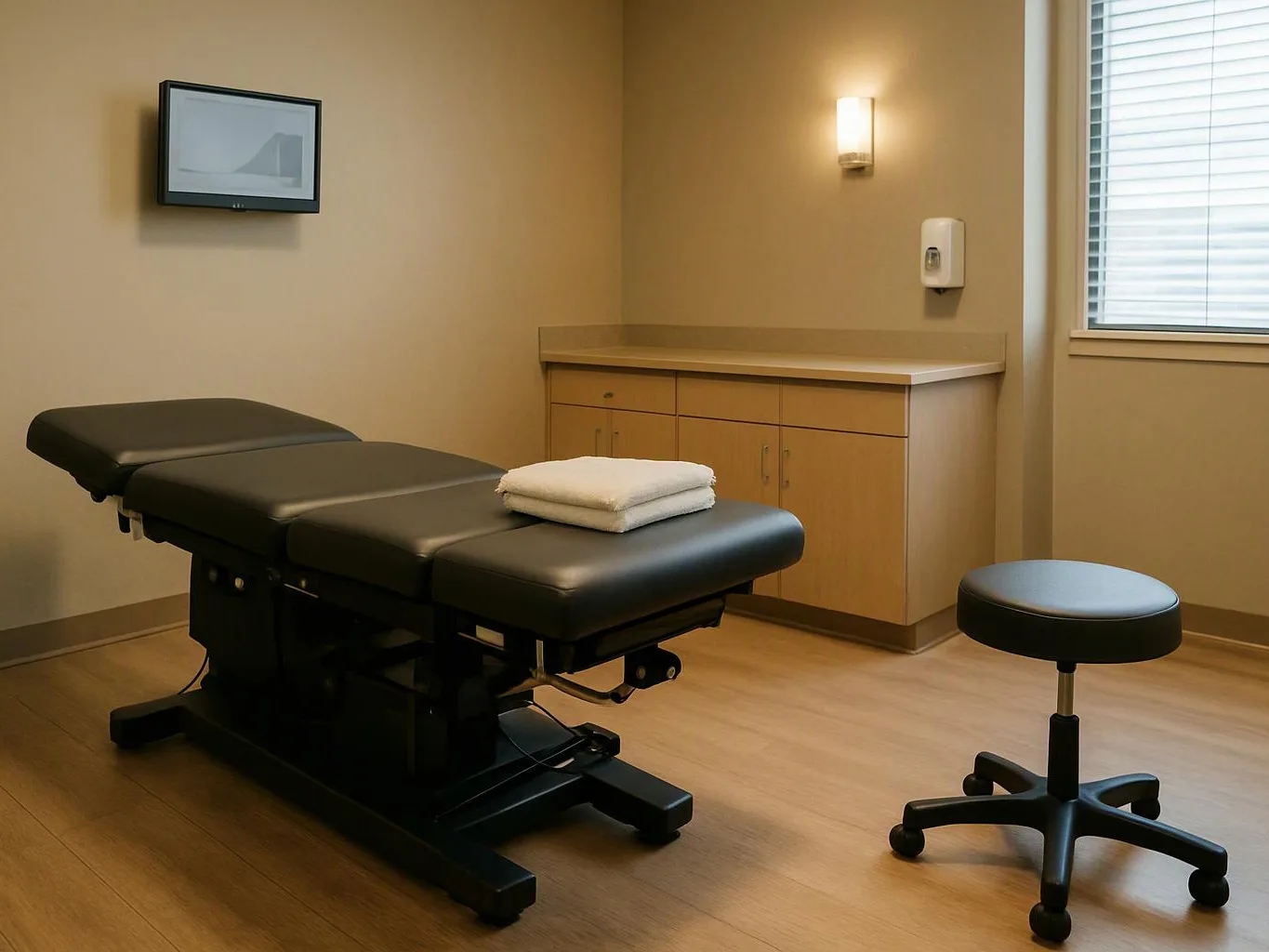
The first visit includes intake, a health history, an exam, and a discussion of treatment options. The intake records symptoms, injuries, medicines, and accident details. The exam reviews movement and musculoskeletal concerns. The care discussion may cover adjustments, spinal decompression, TENS therapy, or rehabilitation when those methods fit the findings.
Which patients are a good fit for this care?
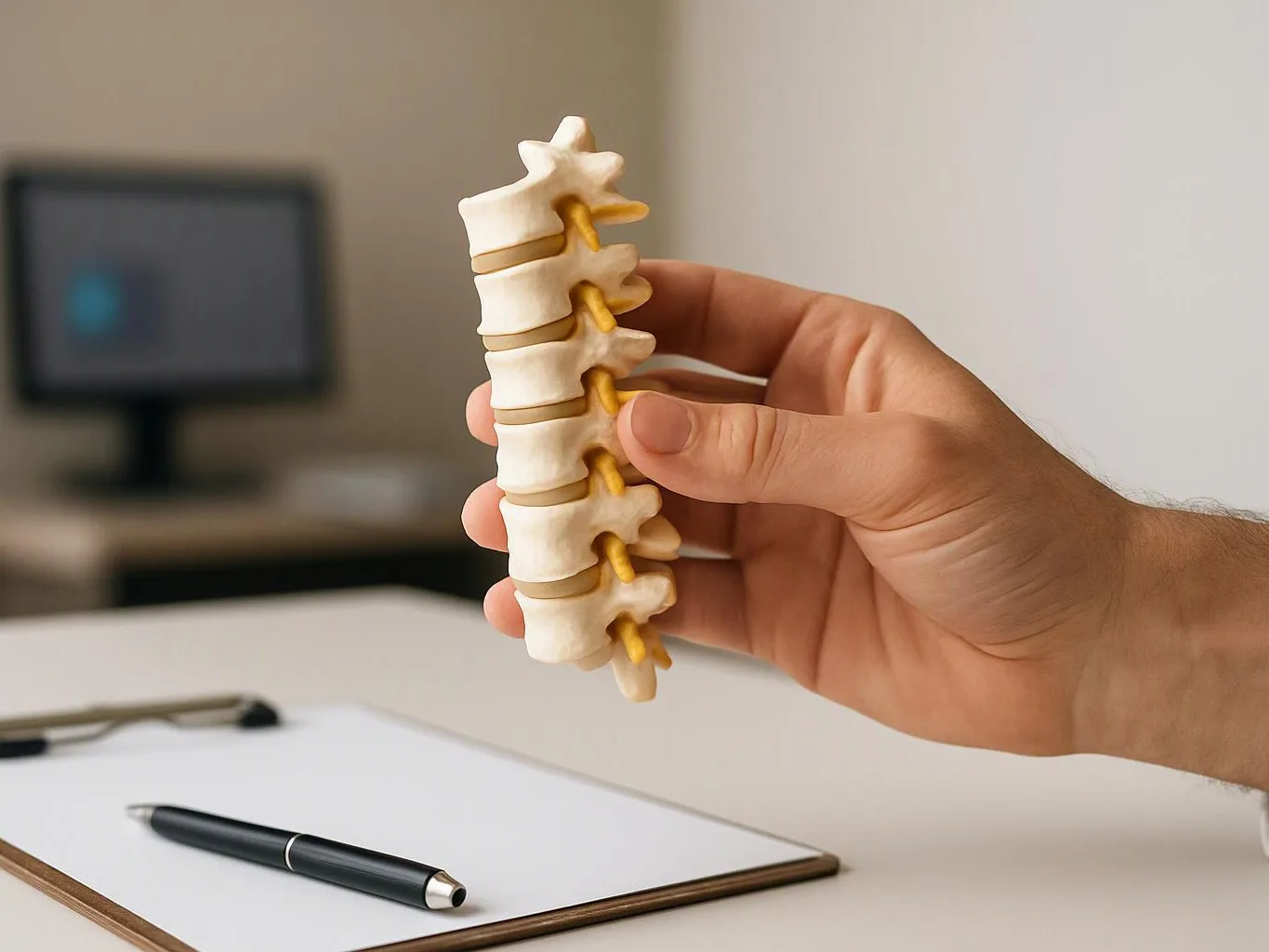
Patients with musculoskeletal pain, accident injuries, mobility limits, sciatica, whiplash, or chronic discomfort may fit this care. The evaluation determines whether chiropractic treatment matches the problem. A medical emergency, severe unexplained symptom, or condition needing hospital care requires medical attention beyond this clinic’s scope.
What does the care team look at first?
The first review covers the health history, current symptoms, prior injuries, medicines, and movement limits. Accident details matter when pain follows a car, truck, motorcycle, slip-and-fall, sports, or workplace incident. The examination then connects those details with musculoskeletal findings before treatment is discussed.
When might specialist referral be part of care?
Specialist referral may be discussed when symptoms fall outside chiropractic care or need another medical evaluation. The exam and health history guide that decision. Our team can also connect personal-injury patients with attorneys through a legal referral network. Referral needs depend on the patient’s symptoms and records.
Why might pain continue after an adjustment?
Pain may continue when an injury involves soft tissue, restricted movement, nerve irritation, or more than one affected area. Individual response differs, so the team reviews symptoms and function during follow-up care. Patients should report new or worsening symptoms, because those changes can affect the next treatment discussion.
How does the clinic review progress during rehabilitation?
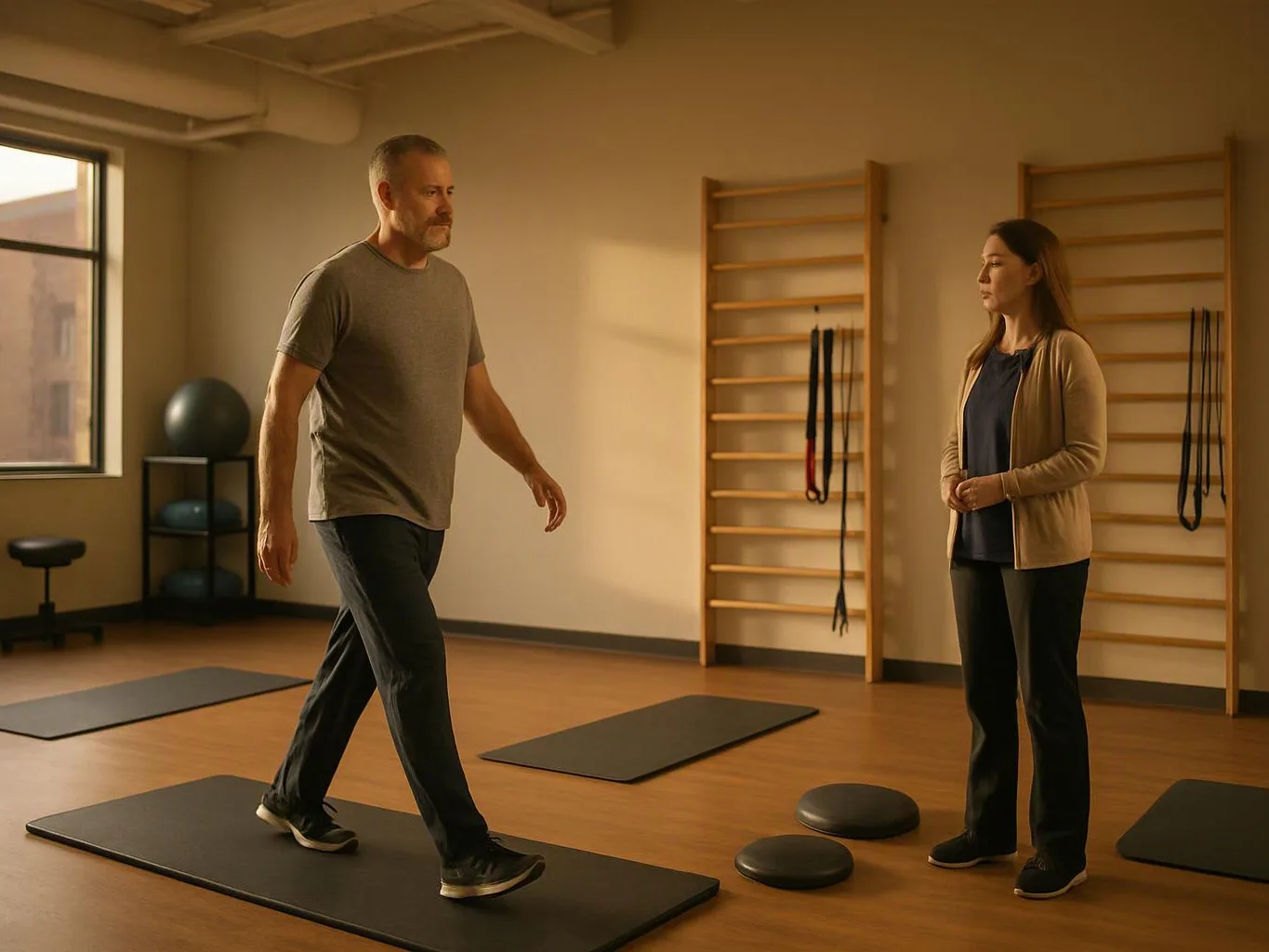
Progress monitoring compares symptoms, movement, and daily function with the earlier evaluation. The review may guide changes to adjustments, traction, TENS therapy, kinesio taping, or exercises. Patients should describe what has changed since the last visit, including activities that remain hard or symptoms that have spread.