Understanding Scoliosis
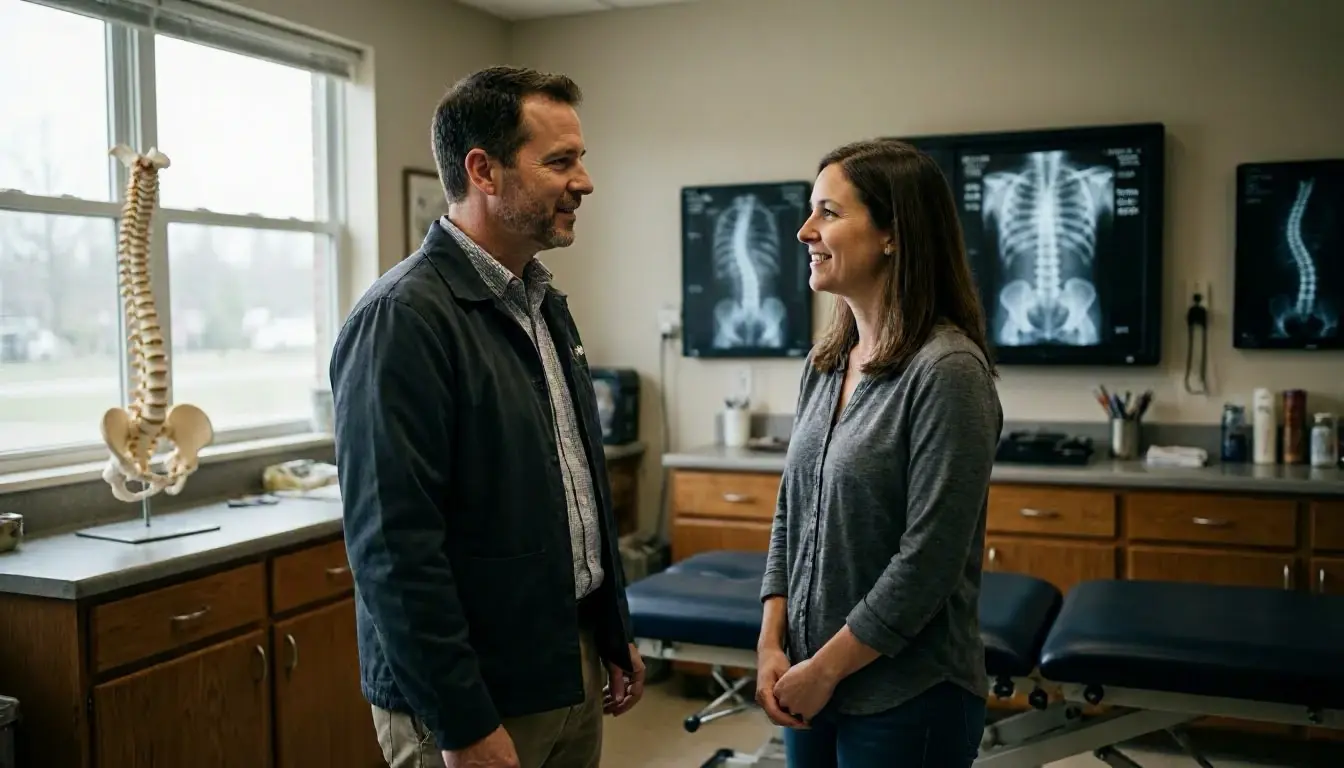
Scoliosis is a medical condition where the spine curves sideways instead of running straight down the back. This curve can develop in children, teens. Or adults. But it most commonly appears during the growth spurt before puberty. The curve may look like an "S" or a "C" shape and can range from mild to severe. While the exact cause of most scoliosis cases is unknown, it can sometimes result from conditions like cerebral palsy, muscular dystrophy. Or birth defects affecting the spine.
Related glossary terms: Chiropractic Care, Posture Correction, Spinal Stenosis.
Most cases of scoliosis are mild and don't require treatment. But some curves worsen over time, especially during periods of rapid growth. Severe scoliosis can lead to complications such as chronic back pain, reduced lung function. Or noticeable changes in appearance. Regular screenings, especially for children and adolescents, can help detect scoliosis early and allow for timely intervention.
How Scoliosis Is Measured and Diagnosed?
Doctors measure scoliosis using a test called the Adam’s Forward Bend Test, where the patient bends forward at the waist while the doctor looks for asymmetry in the ribs or spine. If a curve is suspected, X-rays are taken to confirm the diagnosis and measure the angle of the curve, known as the Cobb angle. A Cobb angle of 10 degrees or more is considered scoliosis. The larger the angle, the more severe the condition.
Scoliosis is classified based on the age when it develops. Infantile scoliosis occurs in children under 3 years old, juvenile scoliosis appears between ages 4 and 10. And adolescent scoliosis develops between ages 10 and 18. Adult scoliosis can occur due to aging or as a progression of a childhood curve. The type and severity of scoliosis help determine the best treatment approach, which may include observation, bracing. Or surgery.
Why Scoliosis Matters?
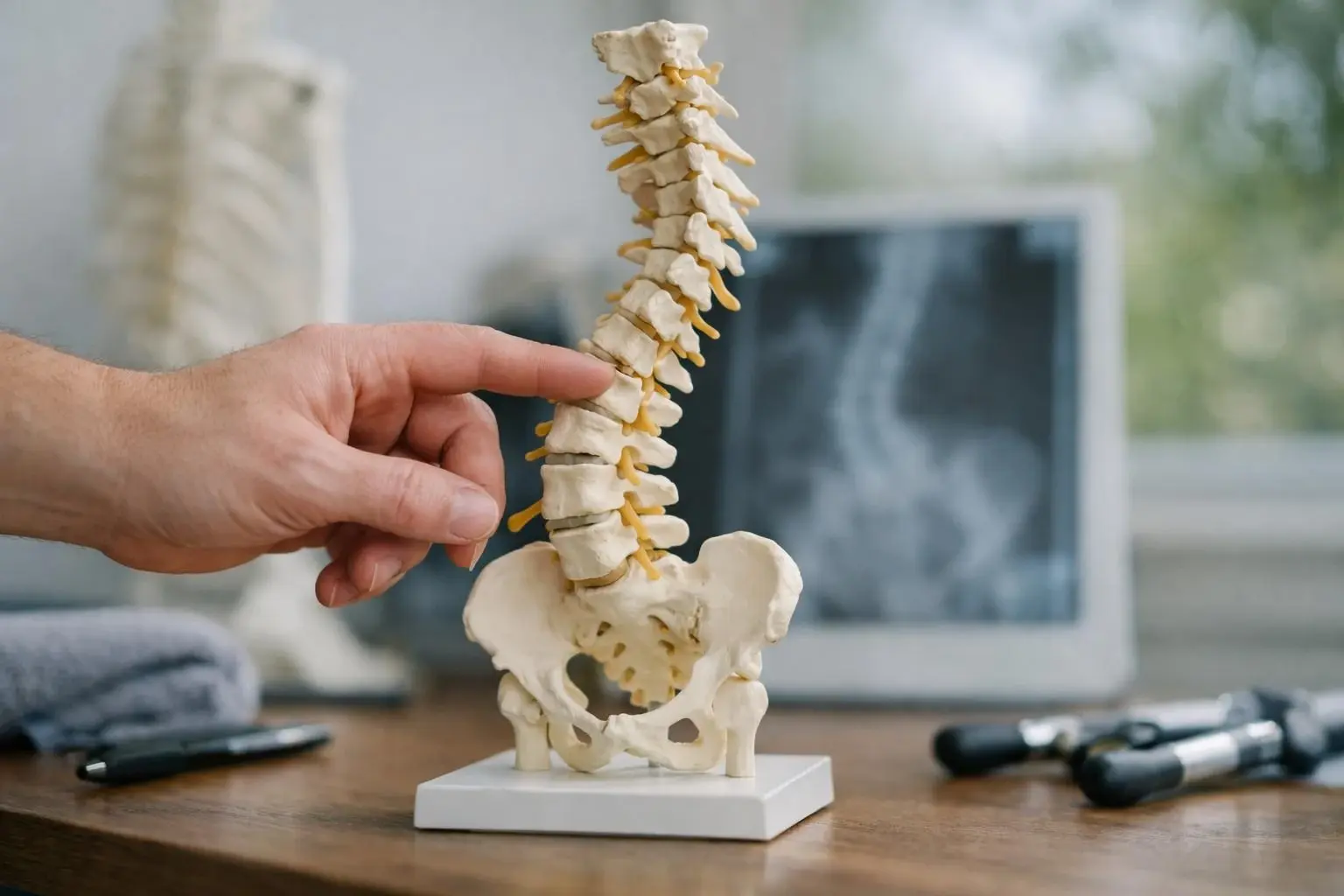
Scoliosis matters because it can affect a person’s quality of life, especially if the curve becomes severe. Mild cases may not cause any symptoms. But larger curves can lead to pain, stiffness. Or difficulty breathing. In some cases, scoliosis can also impact self-esteem, particularly in adolescents, due to changes in posture or appearance. Early detection and treatment can help prevent the curve from worsening and reduce the risk of complications.
For parents and caregivers, understanding scoliosis is important because it often develops during childhood. Regular check-ups with a pediatrician or chiropractor can help identify scoliosis early, allowing for timely treatment. Even in adults, scoliosis can develop due to wear and tear on the spine, making awareness and monitoring important throughout life.
When Scoliosis Matters Most?
Scoliosis matters most during periods of rapid growth, such as childhood and adolescence. This is when curves are most likely to worsen, making early detection and treatment critical. For children and teens, regular screenings at school or during doctor visits can help identify scoliosis before it becomes severe. If a curve is detected, frequent monitoring may be needed to track its progression.
In adults, scoliosis can become a concern if it causes pain, limits mobility. Or affects breathing. Adults with scoliosis may also experience degenerative changes in the spine, which can worsen the curve over time. Treatment options for adults may include physical therapy, pain management. Or surgery, depending on the severity of the curve and the symptoms it causes.
A common issue is Scoliosis also matters for individuals involved in sports or physical activities. A curved spine can affect balance, flexibility. And overall performance. Athletes with scoliosis may need customized treatment plans to manage their condition while staying active. Chiropractors and physical therapists can work with patients to develop exercises and strategies to support spinal health and prevent further curvature.