Understanding Cervical Spine
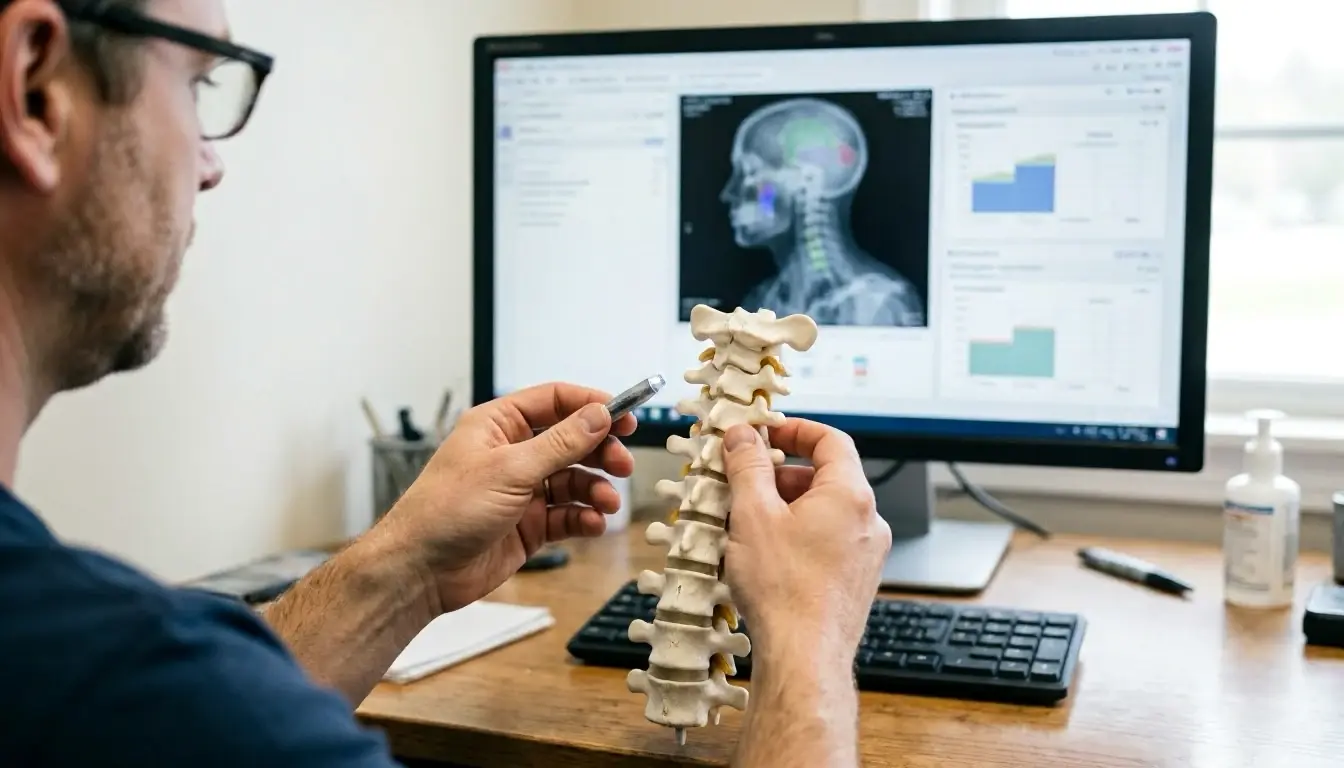
The neck has a part called the cervical spine. It has seven small bones called vertebrae.
These bones are named C1 through C7. They are the smallest bones in the spine.
The top bone, C1, is also called the atlas. It connects to the skull.
This lets your head nod up and down. The next bone, C2, is called the axis.
It has a special shape. This shape lets your head turn side to side.
Together, these bones help your head move. They also keep your head steady.
The cervical spine protects your spinal cord. It also protects nerves that branch out.
These nerves go to your shoulders, arms. And hands. Problems here can hurt your neck.
They can also hurt your upper body. For example, a pinched nerve can cause pain.
It might make your fingers tingle. It can also make your arms feel weak.
Keeping this area healthy is important. It helps with driving, computer work. And carrying things.
How the Cervical Spine Works?
The cervical spine holds your head up. It also helps nerves send messages.
The bones have cushions between them. These are called intervertebral discs (soft pads).
Discs absorb shock. They stop bones from rubbing together.
They also help your neck bend. Muscles and ligaments add support.
They help your neck move. When all parts work, your neck moves smoothly.
It moves without pain. It also protects the nerves inside.
Your neck moves in many ways. Bones slide, tilt. And turn.
Turning your head uses the C1-C2 joint. Tilting your ear to your shoulder uses C3 to C7.
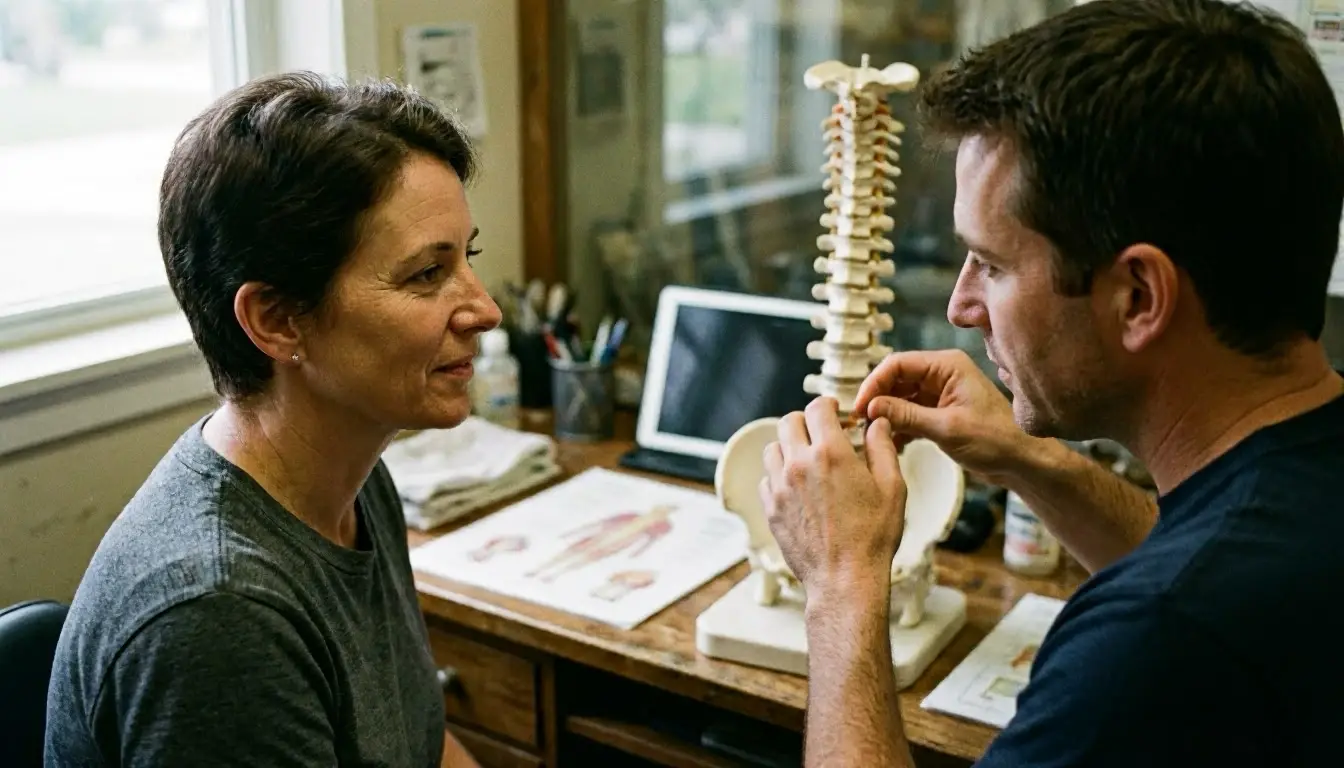
If bones don’t move right, it can hurt. Chiropractors check how your neck moves.
They feel for stiff spots. This is called palpation (feeling with hands).
It helps find problems early. This can stop pain before it starts.
Why Cervical Spine Matters?
Your cervical spine helps every day. It keeps you comfortable and moving.
It lets nerves work well. When bones line up right, your neck feels good.
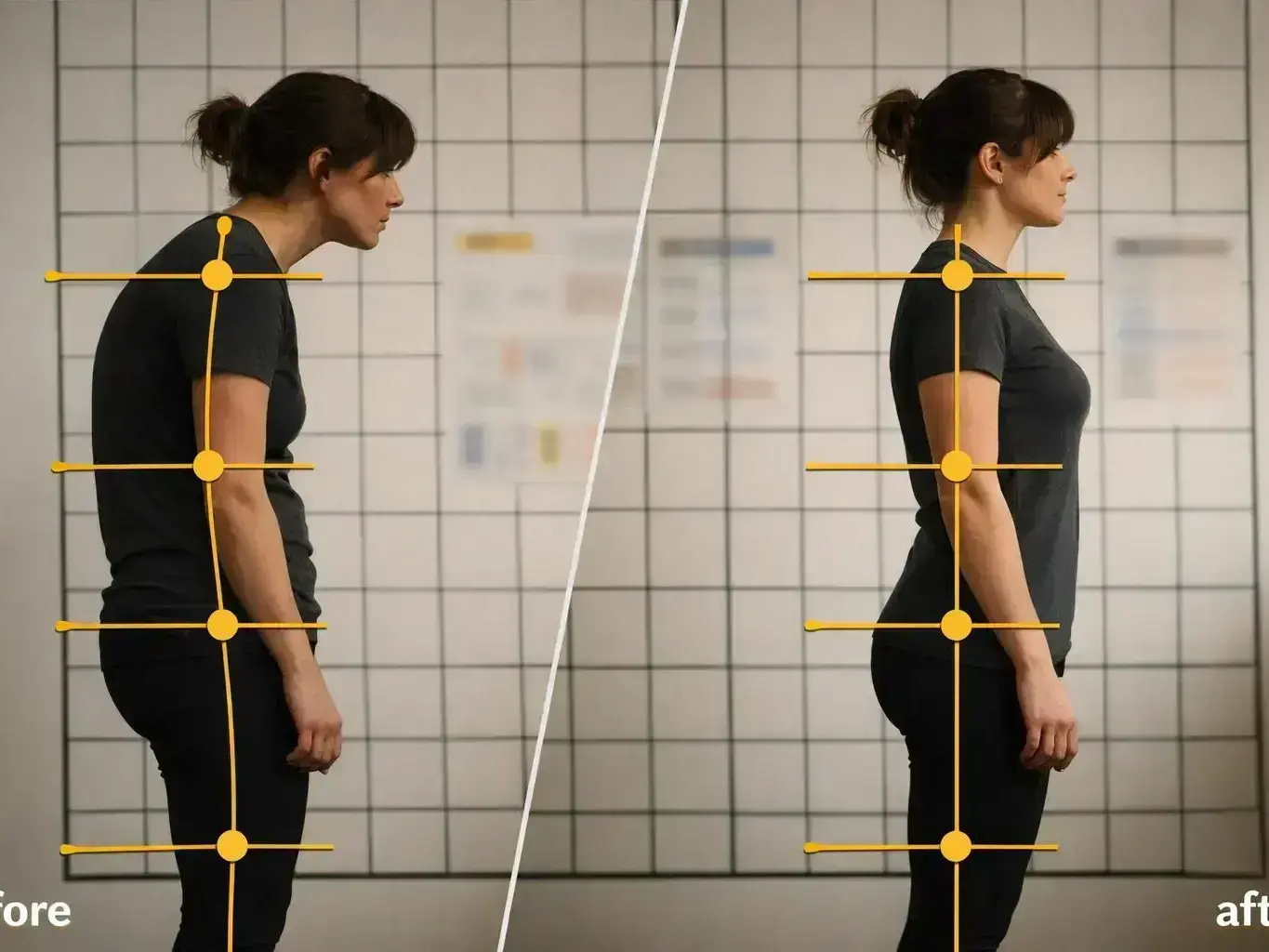
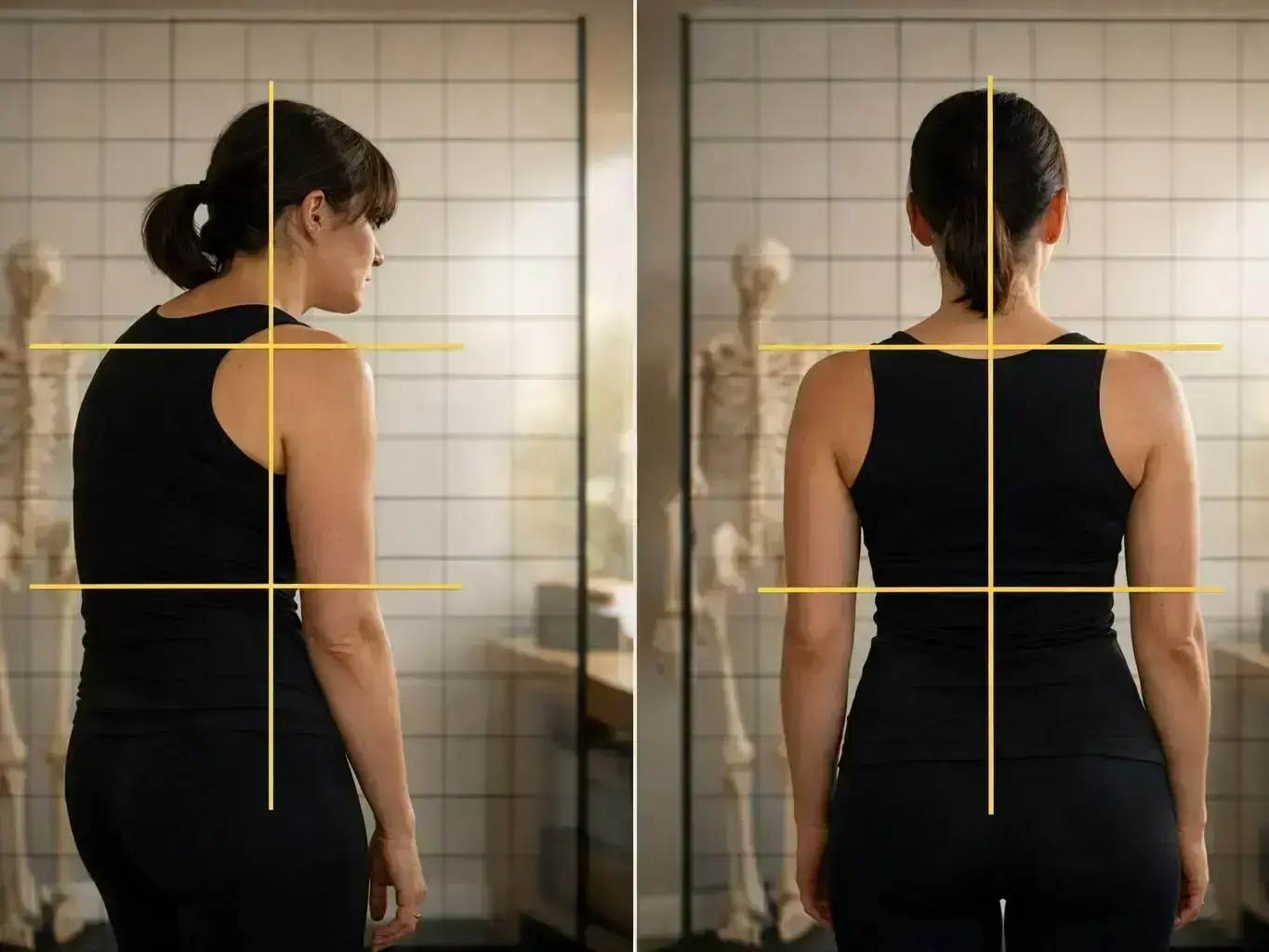
But bad posture or injuries can hurt it. Looking down at phones strains your neck.
This is sometimes called "text neck." It can cause headaches or stiffness.
Over time, it may lead to long-term pain.
The cervical spine connects to nerves. These nerves go to your shoulders and arms.
They also go to your hands. They help you feel touch and temperature.
If a bone moves wrong, it can press on a nerve. A bulging disc can do this too.
This might make your fingers numb. It can also make your grip weak.
Fixing problems early helps. It stops long-term damage.
When Cervical Spine Matters Most?
The cervical spine matters after injuries. It also matters for daily habits.
Car accidents can cause whiplash. This is when your neck snaps back and forth fast.
Even small crashes can hurt your neck. They may cause headaches or stiffness.
Athletes can hurt their necks too. Falls or hits can cause problems.
So can swinging a racket or lifting weights wrong.
People with desk jobs may strain their necks. Slouching or leaning forward hurts.
This can move bones out of place. It can also irritate nerves.
Over time, this can cause pain. It may lead to problems like pinched nerves.
Taking breaks to stretch helps. Chiropractors can help too.
In Newnan, GA, chiropractors work with patients. They help with neck injuries and pain.