Understanding Spinal Stenosis
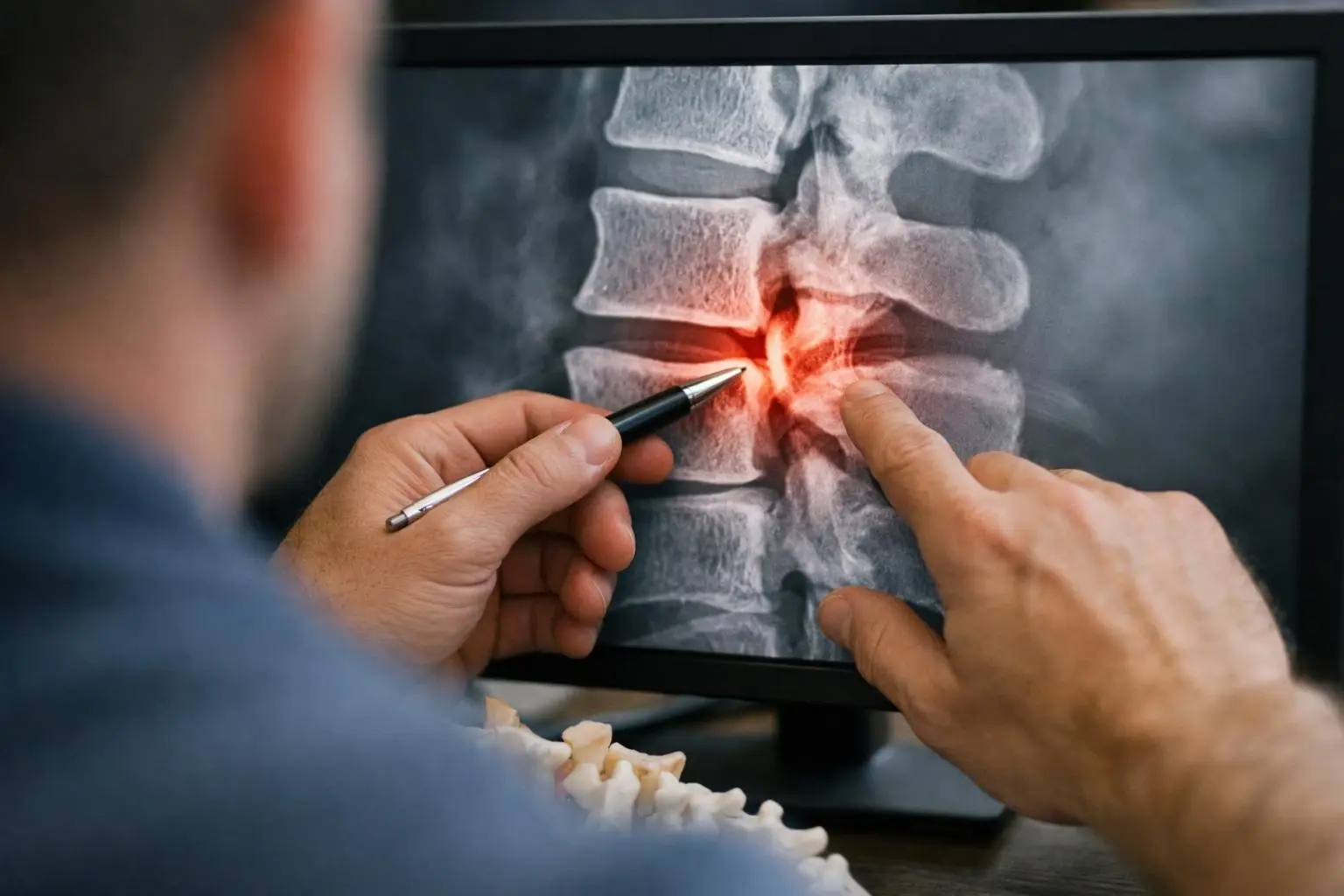
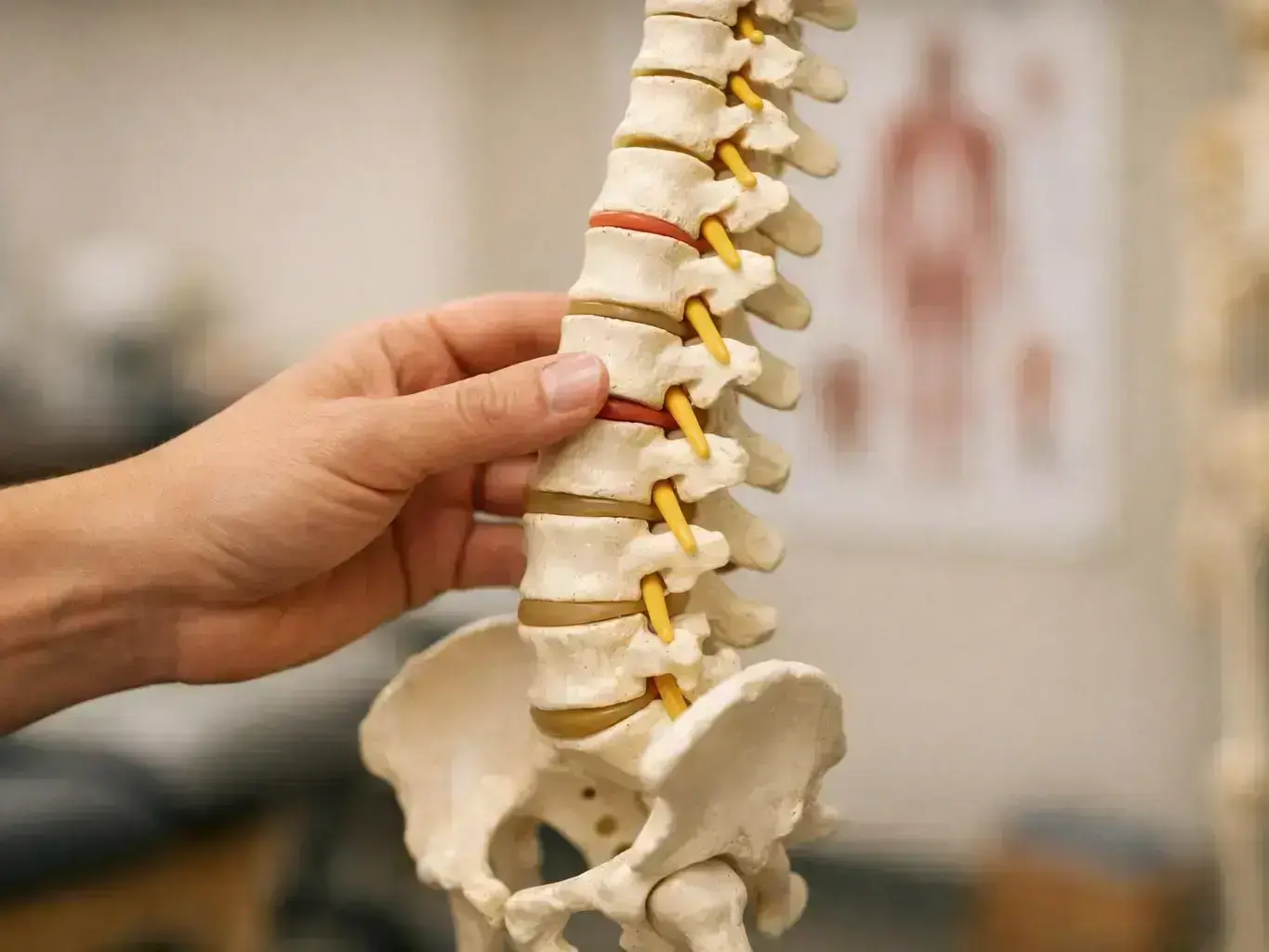
Spinal Stenosis is a medical condition that affects the spine. The spine is made up of bones called vertebrae, which protect the spinal cord and nerves. The result matters. Over time, the spaces between these bones can narrow, a process called stenosis. This narrowing can press on the spinal cord or nerves, leading to pain, tingling. Or weakness in parts of the body. Spinal Stenosis most commonly occurs in the lower back (lumbar spine) or the neck (cervical spine). While it often develops due to aging, conditions like arthritis, herniated discs. Or injuries can also contribute to its onset.
Many people with Spinal Stenosis may not experience symptoms right away. But as the condition progresses, symptoms can become more noticeable. Common signs include pain that worsens with walking or standing, numbness or tingling in the arms or legs. And weakness in the muscles. In severe cases, Spinal Stenosis can affect balance and bladder or bowel control. Because symptoms develop gradually, What you need to know is to recognize them early and seek evaluation from a healthcare provider.
How Spinal Stenosis Works?
Spinal Stenosis works by reducing the space available for the spinal cord and nerves. The spine has three main areas where narrowing can occur: the central canal (where the spinal cord runs), the lateral recesses (where nerve roots exit). And the neural foramina (small openings between vertebrae). When these spaces narrow, they can compress the spinal cord or nerve roots, disrupting signals between the brain and the rest of the body. This compression is what causes the symptoms associated with Spinal Stenosis.
The most common cause of Spinal Stenosis is the natural aging process. As people age, the discs between vertebrae can dry out and shrink, leading to less space between bones. And ligaments in the spine can thicken. And bones can develop spurs (small growths) that further narrow the spinal spaces. Other factors, such as genetics, injuries. Or conditions like scoliosis, can also contribute to the development of Spinal Stenosis. Imaging tests like X-rays, MRIs. Or CT scans are often used to diagnose the condition and determine the extent of narrowing.
Why Spinal Stenosis Matters?
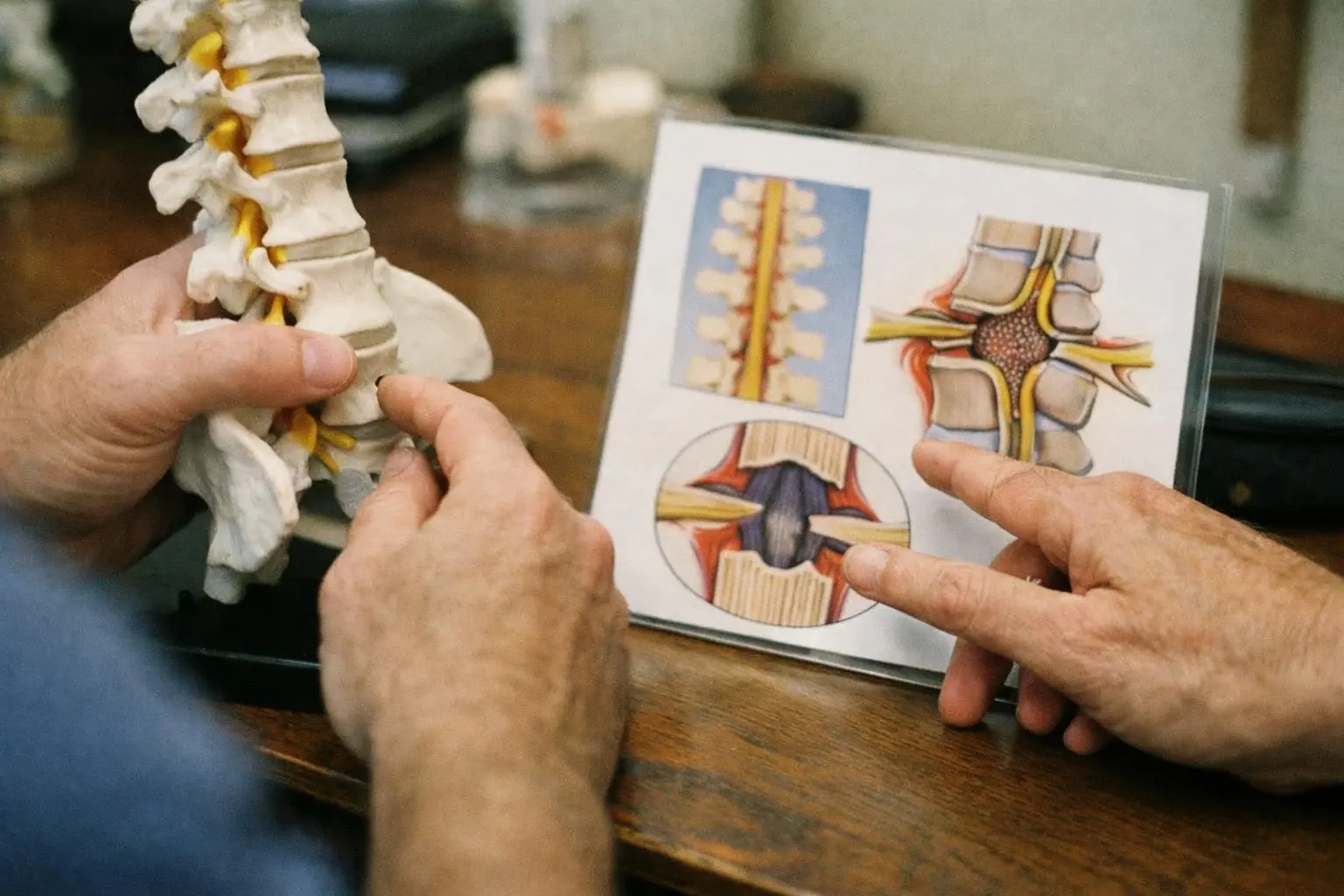
Spinal Stenosis matters because it can significantly impact a person's quality of life. Chronic pain, numbness. And weakness can make it difficult to perform daily activities like walking, standing. Or even sitting for long periods. For some people, Spinal Stenosis can limit mobility and independence, leading to a reliance on pain medications or assistive devices. Early diagnosis and treatment can help manage symptoms and slow the progression of the condition, allowing individuals to maintain an active lifestyle.
In addition to physical discomfort, Spinal Stenosis can also have emotional and financial effects. Chronic pain can lead to stress, anxiety. Or depression. While frequent medical visits and treatments can become costly. Understanding the condition and exploring non-surgical treatment options, such as chiropractic care, physical therapy. Or lifestyle changes, can help individuals manage symptoms without invasive procedures. For those with severe cases, surgery may be necessary to create more space in the spine and relieve pressure on nerves.
When Spinal Stenosis Matters Most?
Spinal Stenosis matters most when symptoms begin to interfere with daily life. Early signs, such as mild back pain or occasional numbness, may not seem urgent. But they can worsen over time. It's important to seek evaluation if symptoms include persistent pain, weakness in the legs or arms. Or difficulty walking. These signs may indicate that the spinal cord or nerves are under significant pressure, which could lead to permanent damage if left untreated.
A common issue is Spinal Stenosis also becomes critical when it affects balance or bladder and bowel function. These symptoms can signal a medical emergency called cauda equina syndrome, which requires immediate attention. For individuals in Newnan, GA, recognizing these symptoms early and consulting a local chiropractor or healthcare provider can help prevent complications. Regular check-ups and imaging tests can monitor the progression of Spinal Stenosis and guide treatment decisions, ensuring that symptoms are managed effectively.