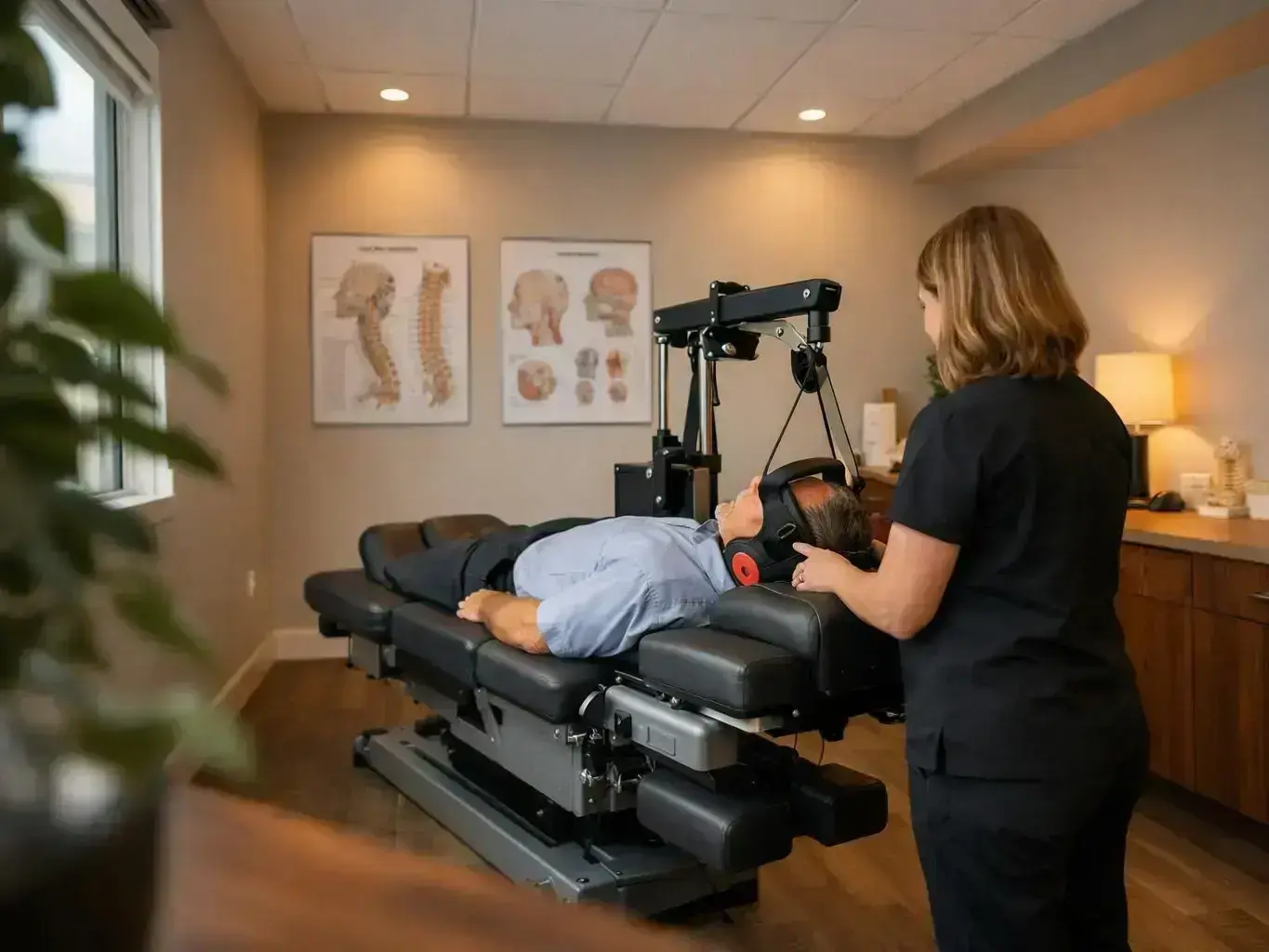
Understanding Neck Pain

Neck pain is a common condition affecting the cervical spine, which consists of seven small vertebrae beginning at the base of the skull. This area supports the full weight of the head—about 12 pounds—and allows for a wide range of motion, including turning, nodding. And bending. Because of its mobility and load-bearing role, the neck is particularly vulnerable to injury, strain. And wear over time. Neck pain can manifest as a dull ache, sharp stabbing pain, stiffness. Or even radiating discomfort into the shoulders, arms. Or upper back.
Related glossary terms: Nerve Compression, Muscle Spasm, Spinal Stenosis.
While neck pain is often temporary and resolves with self-care, it can also become chronic, lasting for months or longer. The causes vary widely, from everyday habits like slouching over a phone or computer to more serious issues like herniated discs, arthritis. Or whiplash injuries. Understanding the root cause is essential for effective treatment, as what works for muscle strain may not address nerve compression or joint degeneration. Recognizing early symptoms, such as reduced range of motion or persistent soreness, can help prevent minor discomfort from worsening.
How Neck Pain Works and Is Diagnosed?
Neck pain arises when structures in the cervical spine—such as muscles, ligaments, nerves. Or vertebrae, become irritated, inflamed. Or damaged. For example, poor posture can overstretch neck muscles, leading to strain. While a sudden impact, like a car accident, may cause whiplash, where the head jerks forward and backward rapidly. Degenerative conditions, such as osteoarthritis or disc herniation, can also contribute by wearing down cartilage or pressing on nerves. The pain signals are transmitted through the nervous system, which is why discomfort may spread to other areas, such as the arms or hands, if nerves are involved.
Diagnosing neck pain typically begins with a physical examination, where a healthcare provider assesses range of motion, muscle strength. And areas of tenderness. Imaging tests, such as X-rays, MRIs. Or CT scans, may be used to identify structural issues like fractures, disc problems. Or spinal stenosis. In some cases, nerve studies like electromyography (EMG) are performed to evaluate nerve function. These tools help determine whether the pain stems from mechanical issues, inflammation, nerve compression. Or other underlying conditions, guiding the appropriate treatment approach.
Why Neck Pain Matters?
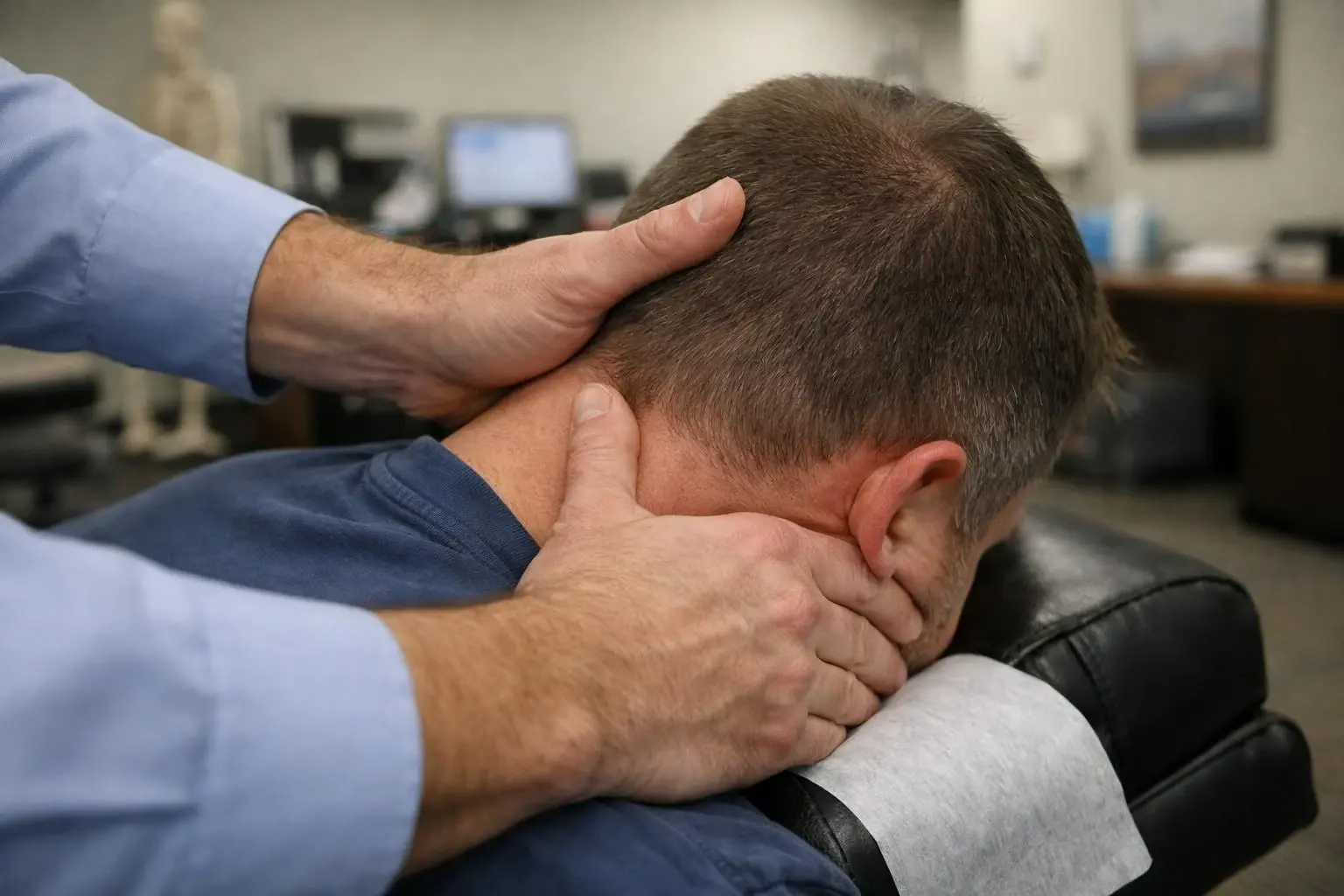
Neck pain is more than just a nuisance, it can significantly impact daily life, affecting work, sleep. And overall well-being. For many people, persistent neck pain leads to reduced productivity, difficulty concentrating. And even mood changes like irritability or anxiety. Chronic neck pain is also linked to long-term disability, particularly in older adults. And can contribute to secondary issues like headaches, jaw pain. Or numbness in the arms and hands. Addressing neck pain early can prevent it from becoming a recurring or debilitating problem, improving quality of life and reducing the need for more invasive treatments later.
Beyond personal discomfort, neck pain has broader economic and social implications. It's a leading cause of missed workdays and healthcare visits, costing billions in medical expenses and lost productivity annually. For individuals in physically demanding jobs or those who rely on precise head movement - such as drivers, athletes. Or office workers, neck pain can limit performance or increase the risk of further injury. Understanding the causes and treatments empowers individuals to make informed decisions about their health, whether through ergonomic adjustments, exercise. Or professional care.
When Neck Pain Matters Most?
Neck pain becomes particularly important to address in certain situations, such as after an injury, when symptoms worsen. Or when they interfere with daily activities. For example, neck pain following a car accident, sports collision. Or fall may indicate whiplash or a more serious injury like a fracture, requiring immediate medical attention. Similarly, if neck pain is accompanied by symptoms like numbness, tingling, weakness in the arms or hands. Or severe headaches, it may signal nerve compression or other neurological issues that need prompt evaluation.
Chronic neck pain - lasting longer than three months - also warrants professional care, as it can lead to long-term complications if left untreated. Individuals with jobs requiring prolonged sitting, repetitive motions. Or heavy lifting are at higher risk and may benefit from preventive measures like ergonomic workstations or regular stretching. And older adults or those with conditions like arthritis, osteoporosis. Or degenerative disc disease should monitor neck pain closely, as it may indicate progressive spinal changes. Early intervention, whether through physical therapy, chiropractic care. Or lifestyle adjustments, can help manage symptoms and prevent further deterioration.