What can delay progress with back pain treatment?
Poor adherence can delay progress when visits, home guidance, or activity changes are not followed. Repetitive strain and muscle weakness can add stress between visits. We review the health history, current symptoms, movement, and daily demands to find the main barrier. The plan may then include simpler home steps, rehabilitation, or a progress re-examination.
How can I tell whether chiropractic care fits my back pain?
Chiropractic care fits musculoskeletal back pain when the exam links symptoms to joints, muscles, nerves, or movement limits. We review your history and perform a physical exam before choosing care. Severe or changing symptoms may need medical evaluation first. Tell us about weakness, numbness, accidents, and current medicines during intake.
Which part of my back problem decides the treatment scope?
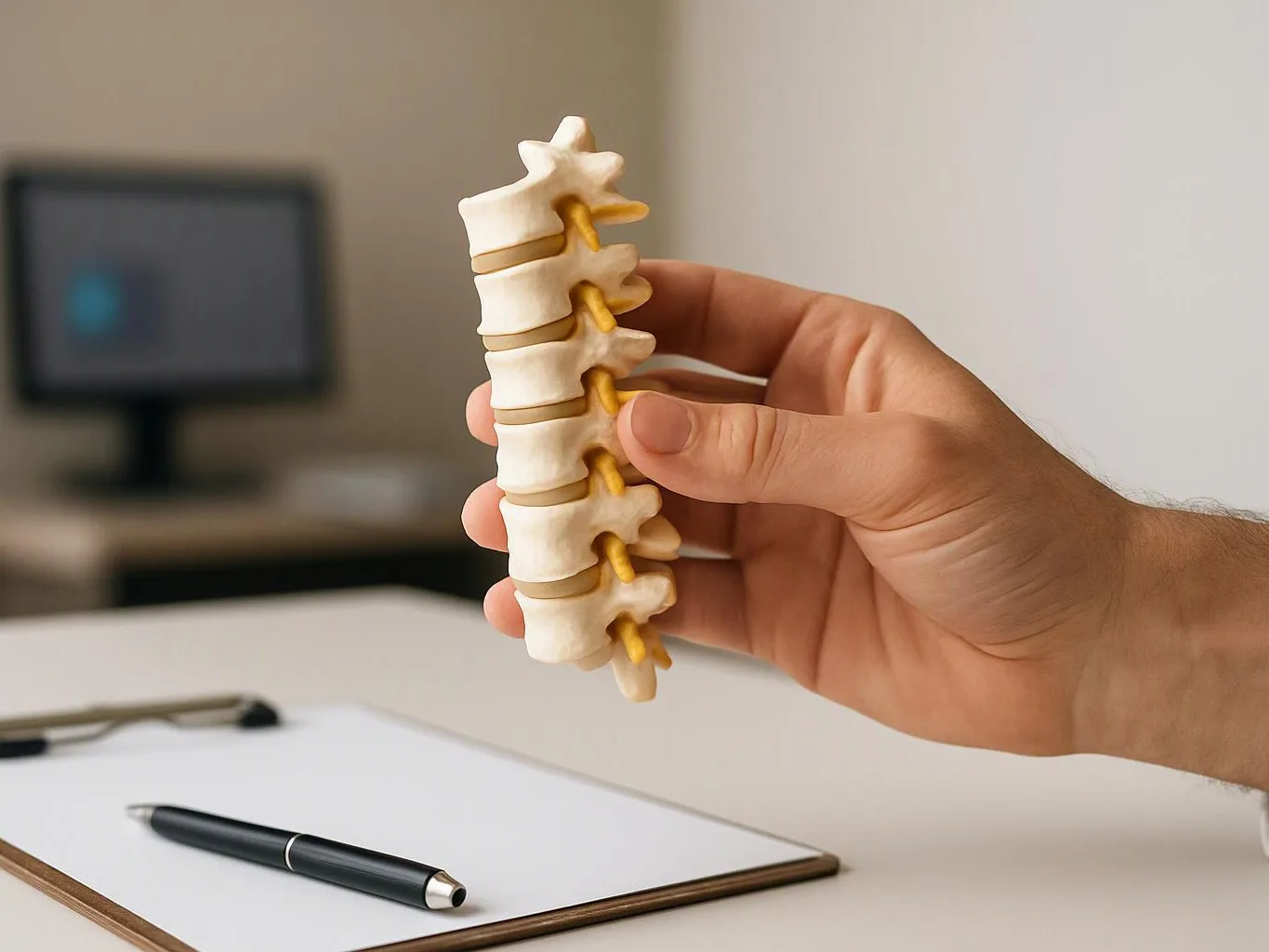
The exam findings decide the treatment scope, including pain location, range of motion, strength, nerve signs, and daily limits. A disc-related pattern may call for traction or spinal decompression, while joint or soft-tissue findings may support other methods. We explain the report of findings before beginning an individualized plan.
Why might spinal decompression differ from an adjustment?
Spinal decompression uses traction-based table care, while an adjustment applies a controlled force to a joint. Neither method fits every back problem. We choose between them after reviewing symptoms, movement, and the health history. Some plans combine hands-on care with rehabilitation, but individual response differs.
When should back pain receive a fresh evaluation?
Back pain needs a fresh evaluation when symptoms change, progress stalls, or weakness and movement limits appear. Delayed evaluation can make the cause harder to sort out. Our team reviews prior care, current symptoms, and daily activities during intake. New or severe symptoms should receive prompt medical attention.
What should I bring to my first appointment?
A symptom history, medication list, accident details, and prior treatment information help us assess your back pain. Include the activities that increase or ease symptoms. Patients can also bring imaging reports when available. We use these details with the exam to shape the report of findings and next care steps.
Does a back pain plan include rehabilitation exercises?
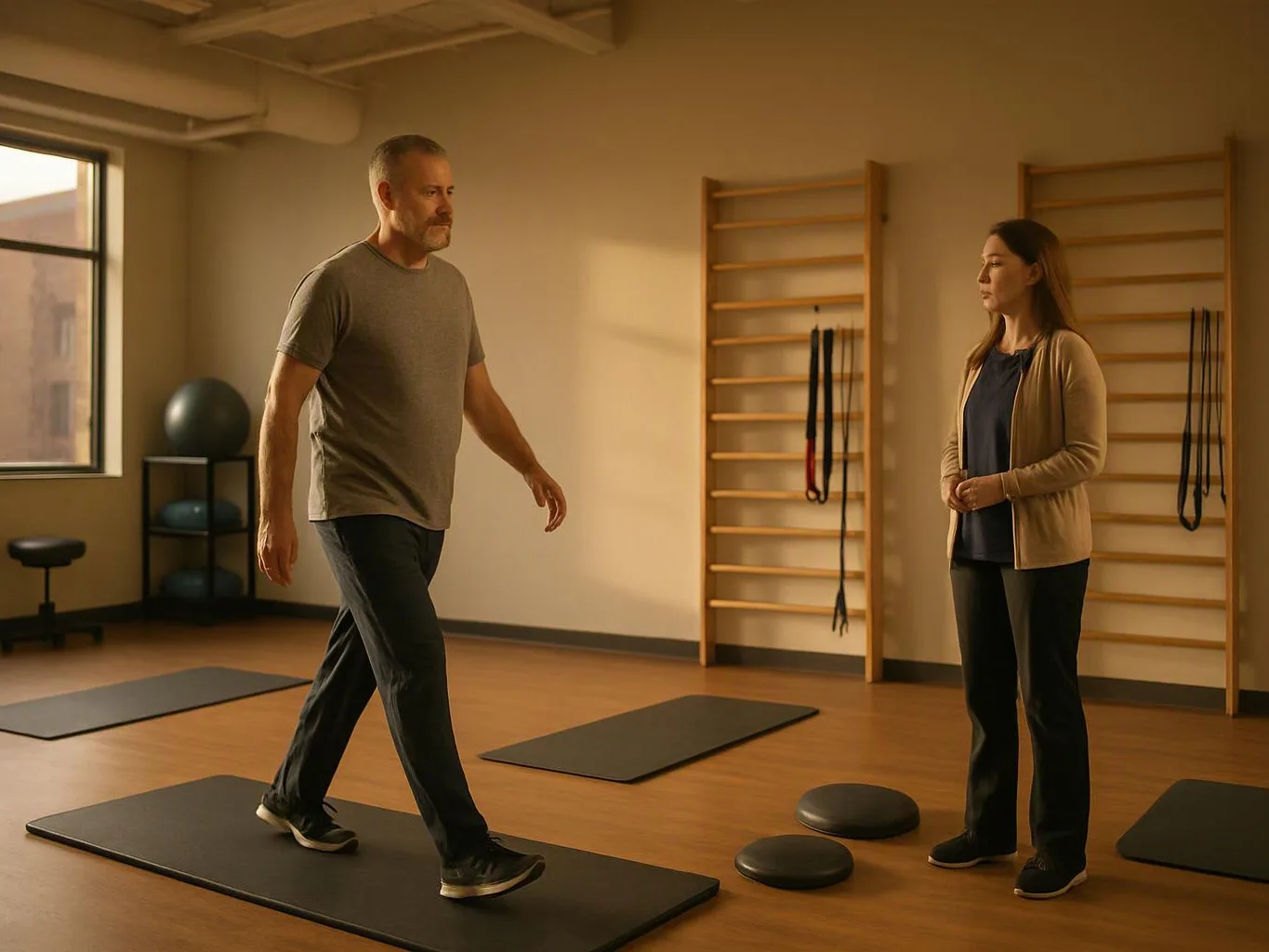
An individualized rehabilitation program may include exercises when weakness, limited motion, or daily function calls for it. We match the plan to the exam and your ability to follow it. TheraBand work, movement practice, or home guidance may support care. The program changes when symptoms or function change.