How is a back pain treatment plan developed?
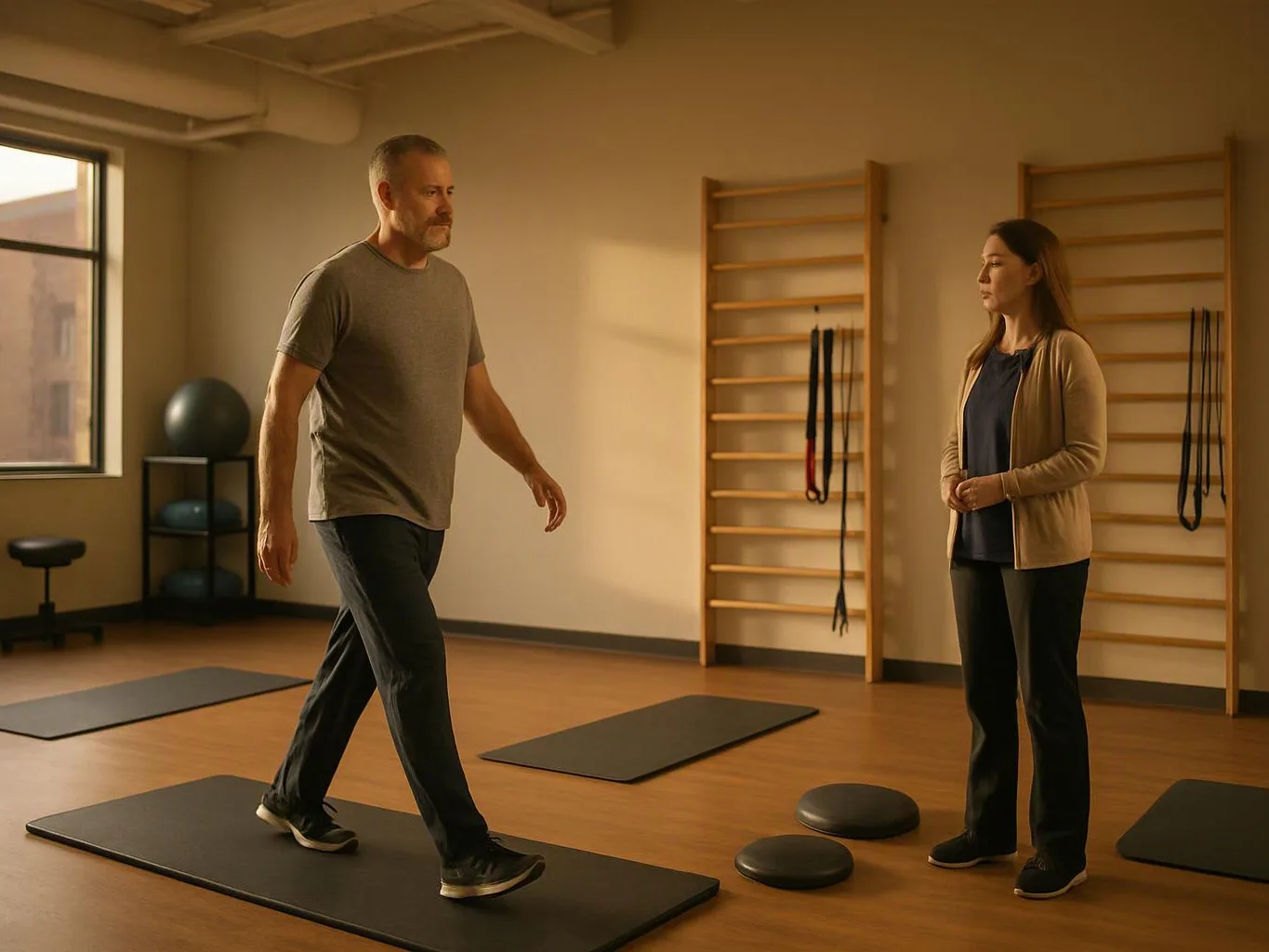
Postural evaluation starts the plan by showing how alignment and movement relate to your symptoms. Arrowhead Clinic Chiropractor Newnan then reviews your pain history, movement assessment, and functional goals.
The plan may include adjustments, spinal decompression, traction, TENS therapy, soft tissue work, or rehabilitation. Individual response differs, so follow-up findings guide later changes.
What does the team look at first during care?
Pain history comes first because timing, location, triggers, and past injuries shape the examination. We ask about daily limits and symptoms that travel into the hip or leg.
Movement checks then examine posture, mobility, muscle tension, and function. This sequence helps connect your main complaint with the methods we discuss.
Which signs should be checked before treatment is scheduled?
Severe weakness, sudden numbness in the groin, or loss of bladder or bowel control needs urgent medical assessment first. These signs can point to a serious condition that requires prompt care.
For other symptoms, we review your health history, current pain, prior injuries, and movement limits. That information helps determine whether chiropractic care fits.
What should I bring to my first consultation?
Your symptom history, accident details, prior records, and current medication information can help us assess your back pain. Bring any reports or imaging related to the complaint if you have them.
A clear list of daily activities that hurt or feel limited also helps. Free consultations provide time to discuss these details before a plan is chosen.
Can care help after a car or workplace accident?
Yes, our team treats accident-related back and neck injuries and can coordinate personal-injury care needs. The first visit records the accident history, symptoms, movement limits, and related treatment.
Our legal referral network may connect personal-injury patients with attorneys while treatment and insurance matters are coordinated. Care still depends on the examination and your individual needs.
How do adjustments differ from spinal decompression?
Adjustments apply targeted manual or instrument-assisted movement, while spinal decompression uses controlled traction through a specialized table. Each method serves a different clinical purpose.
We choose between these options by reviewing symptoms, movement findings, and functional goals. One method is not automatically better for every person or every type of back pain.
Why might back pain care include rehabilitation exercises?
Rehabilitation exercises help connect treatment with the movements you need for daily life. They may address strength, control, flexibility, or tolerance for specific tasks.
Our team may pair rehabilitation with adjustments, traction, soft tissue therapy, or kinesio taping. The exercises should match your findings and change when progress reviews show a different need.