Glossary

What is Decompression Therapy?

Decompression Therapy is a non-surgical, traction-based treatment designed to relieve pressure on the spine and spinal discs. Decompression Therapy gently stretches the spine using a motorized table or device, creating negative pressure within the discs to promote healing, reduce pain. And improve mobility for conditions like herniated discs, sciatica. And spinal stenosis.

Reviewed by ChiropractorNewnan.linkSources reviewed: American Chiropractic Association, National Institute of Neurological Disorders and Stroke

Quick Facts About Decompression Therapy

Category

Non-surgical spinal treatment

Used for

Herniated discs, sciatica, spinal stenosis, degenerative disc disease

Common confusion

Often mistaken for general traction; Decompression Therapy uses precise, computer-controlled force

Also called

Spinal Decompression, Non-Surgical Decompression

Often discussed with

Chiropractic Consultation and Diagnosis, Car Accident Injury Rehabilitation

Key Takeaways About Decompression Therapy

Understanding Decompression Therapy
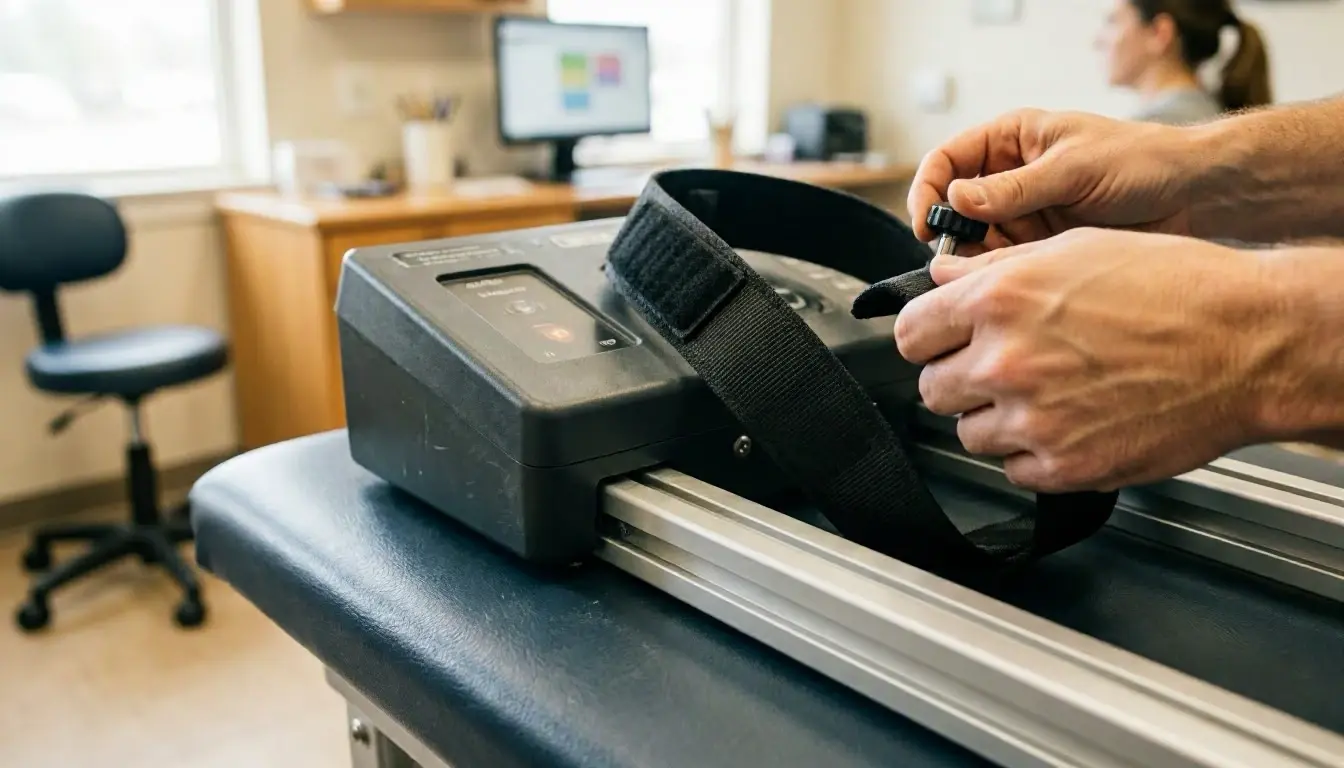
Decompression Therapy in Chiropractor: Decompression Therapy is a non-surgical, traction-based treatment designed to relie...

Decompression Therapy is a specialized form of spinal traction used by chiropractors and physical therapists to treat chronic back and neck pain. Unlike traditional traction, which applies a constant pull, Decompression Therapy uses a computer-controlled table to apply precise, intermittent force. This creates a vacuum effect within the spinal discs, helping to retract herniated or bulging disc material and improve nutrient flow to the affected area. The goal is to reduce pressure on nerves, relieve pain. And promote natural healing without surgery or medication.

Related glossary terms: Spinal Decompression, Disc Herniation, Chiropractic Care.

The treatment is based on the principle that spinal discs, which act as cushions between vertebrae, can lose hydration and height over time. Poor posture, injury. Or repetitive stress can cause discs to bulge or herniate, pressing on nearby nerves and causing pain, numbness. Or weakness. Decompression Therapy aims to reverse this process by gently stretching the spine in a controlled manner. This stretching creates negative pressure within the disc, which can help draw in water, oxygen. And nutrients to support disc repair and reduce inflammation.

How Decompression Therapy Works?

During a Decompression Therapy session, the patient lies fully clothed on a motorized table, typically face up or face down, depending on the area being treated. A harness is placed around the hips and another around the trunk or neck to secure the patient. The table then moves in a slow, rhythmic pattern, applying a pulling force to the spine for a set duration, followed by a release phase. This cycle repeats multiple times during the session, usually lasting between 20 to 45 minutes.

Many projects start with The amount of force applied is carefully calibrated based on the patient’s weight, condition. And tolerance. A computer monitors the force and adjusts it in real time to ensure safety and effectiveness. Patients typically feel a gentle stretching sensation but should not experience pain during the treatment. The result is many report feeling relaxed or even falling asleep during the session. Decompression Therapy is often combined with other treatments, such as electrical muscle stimulation, heat therapy. Or chiropractic adjustments, to boost results and address muscle tension or joint dysfunction.

Why Decompression Therapy Matters?
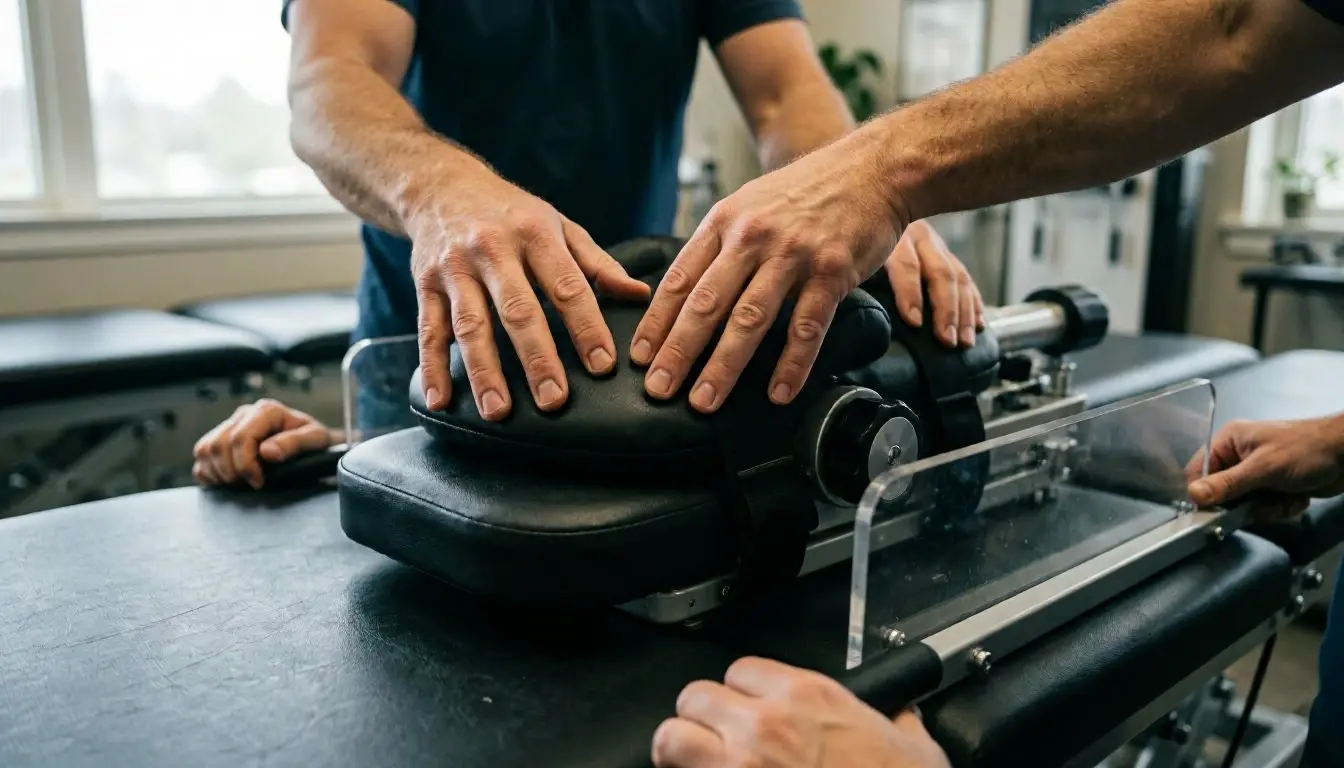
How Decompression Therapy applies to Chiropractor services in Newnan, United States—practical illustration

Decompression Therapy offers a conservative, non-invasive alternative for patients suffering from conditions that might otherwise require surgery or long-term medication use. For individuals with herniated discs, sciatica. Or spinal stenosis, the treatment can provide significant pain relief and improve quality of life without the risks or recovery time associated with surgical procedures. It's particularly valuable for patients who have not found relief through traditional physical therapy, pain medications. Or rest.

Beyond pain relief, Decompression Therapy can help restore spinal function and mobility. By reducing pressure on nerves and improving disc hydration, patients often experience improved range of motion and reduced stiffness. This can make daily activities, such as sitting, standing. Or walking, more comfortable and less painful. For athletes or individuals with physically demanding jobs, Decompression Therapy can also aid in recovery from injuries and prevent future flare-ups by maintaining spinal health.

When Decompression Therapy Matters Most?

Decompression Therapy is most beneficial for patients with specific spinal conditions that involve disc or nerve compression. Common diagnoses include herniated or bulging discs, degenerative disc disease, sciatica, spinal stenosis. And facet joint syndrome. It is also used for patients with chronic lower back or neck pain that has not responded to other treatments, such as medication, physical therapy. Or chiropractic adjustments alone. But it is not suitable for everyone. Patients with severe osteoporosis, spinal fractures, tumors. Or infections, as well as pregnant women, are typically not candidates for this therapy.

Timing is also important. Decompression Therapy is often recommended after an initial evaluation and diagnostic imaging, such as an MRI or X-ray, to confirm the source of pain. Patients usually undergo a series of sessions, typically ranging from 10 to 20 treatments over several weeks, depending on the severity of their condition. Maintenance sessions may be recommended to sustain results, especially for individuals with chronic spinal issues. For patients in Newnan, GA, Decompression Therapy can be a valuable option for managing spinal conditions without the need for invasive procedures or long-term reliance on pain medications.

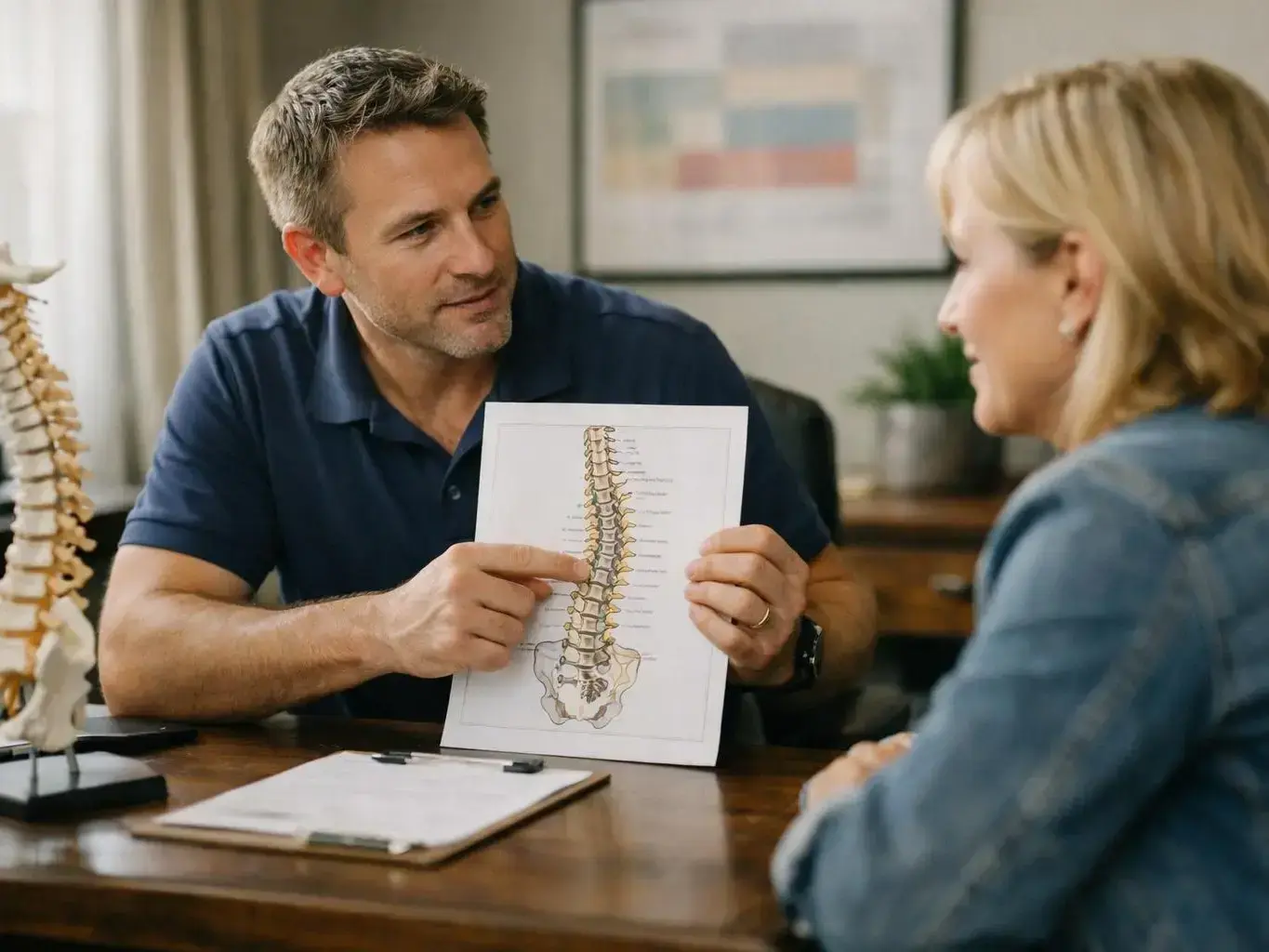
How to Evaluate Decompression Therapy?

Related Concepts Compared

Decompression Therapy vs. Flexion-Distraction

Flexion-Distraction uses a manual, hands-on approach to stretch the spine. While Decompression Therapy relies on a motorized table with computer-controlled force.

Decompression Therapy vs. Intersegmental Traction

Intersegmental Traction uses rollers to mobilize the spine and improve flexibility, whereas Decompression Therapy focuses on stretching the spine to relieve disc pressure.

Decompression Therapy vs. Spinal Manipulation (Adjustment)

Spinal manipulation applies quick, targeted force to joints to improve alignment. While Decompression Therapy gently stretches the spine to relieve disc compression.

Expert Note

Decompression Therapy works best when tailored to the patient’s specific condition and combined with other therapies, such as core strengthening exercises or posture correction. Over-reliance on passive treatments without addressing underlying muscle imbalances can limit long-term results.

Common Mistakes or Myths About Decompression Therapy

  • Assuming Decompression Therapy is the same as general traction, which lacks precise force control.
  • Expecting instant pain relief after one session; most patients need multiple treatments.
  • Choosing Decompression Therapy for conditions like fractures or infections, where it is not safe or effective.
  • Stopping treatment once pain improves, without completing the full recommended session plan.
  • Ignoring complementary therapies like exercise or posture correction, which enhance results.

Decompression Therapy in Practice: A Real-World Example

A 45-year-old office worker in Newnan, GA, develops chronic lower back pain after years of sitting with poor posture. An MRI reveals a herniated disc pressing on a nerve. After trying pain medications and physical therapy without relief, they begin Decompression Therapy. Over 12 sessions, the pain decreases. And they regain the ability to sit and stand comfortably for extended periods.

Sources & Further Reading on Decompression Therapy

Related Services

Related Terms

Spinal Decompression

Spinal Decompression is a non-surgical treatment designed to relieve pressure on the spine and nerves. It involves gently stretching the spine using a motorized table or device to create negative pressure within spinal discs, which may help herniated or bulging discs retract, improve nutrient flow. And reduce pain in the back, neck. Or legs.

Disc Herniation

Disc Herniation is a spinal condition where the soft inner gel of a spinal disc leaks through a tear in the disc’s tough outer layer. This leakage can press on nearby nerves, causing pain, numbness. Or weakness in the back, arms. Or legs. Disc herniations often occur in the lower back or neck and are commonly linked to aging, injury. Or strain.

Chiropractic Care

Chiropractic Care is a health profession focused on diagnosing and treating musculoskeletal disorders, primarily through manual adjustments of the spine and joints. Chiropractors use hands-on techniques to improve mobility, reduce pain. And support the body’s natural healing processes without surgery or medication. This care often addresses back pain, neck pain, headaches.

Flexion-Distraction

Flexion-Distraction is a gentle, non-surgical chiropractic technique used to treat spinal conditions like disc herniation, sciatica. And stenosis. It involves a specialized table that rhythmically stretches and flexes the spine to reduce pressure on spinal nerves, improve disc hydration. And restore motion. The method is evidence-based and widely used for patients who need low-force care.

ChiropractorNewnan.link

Have Questions About Decompression Therapy?

Contact ChiropractorNewnan.link for practical guidance on Decompression Therapy and related chiropractor work in Newnan.

+1 770-692-1041