Understanding Myofascial Release
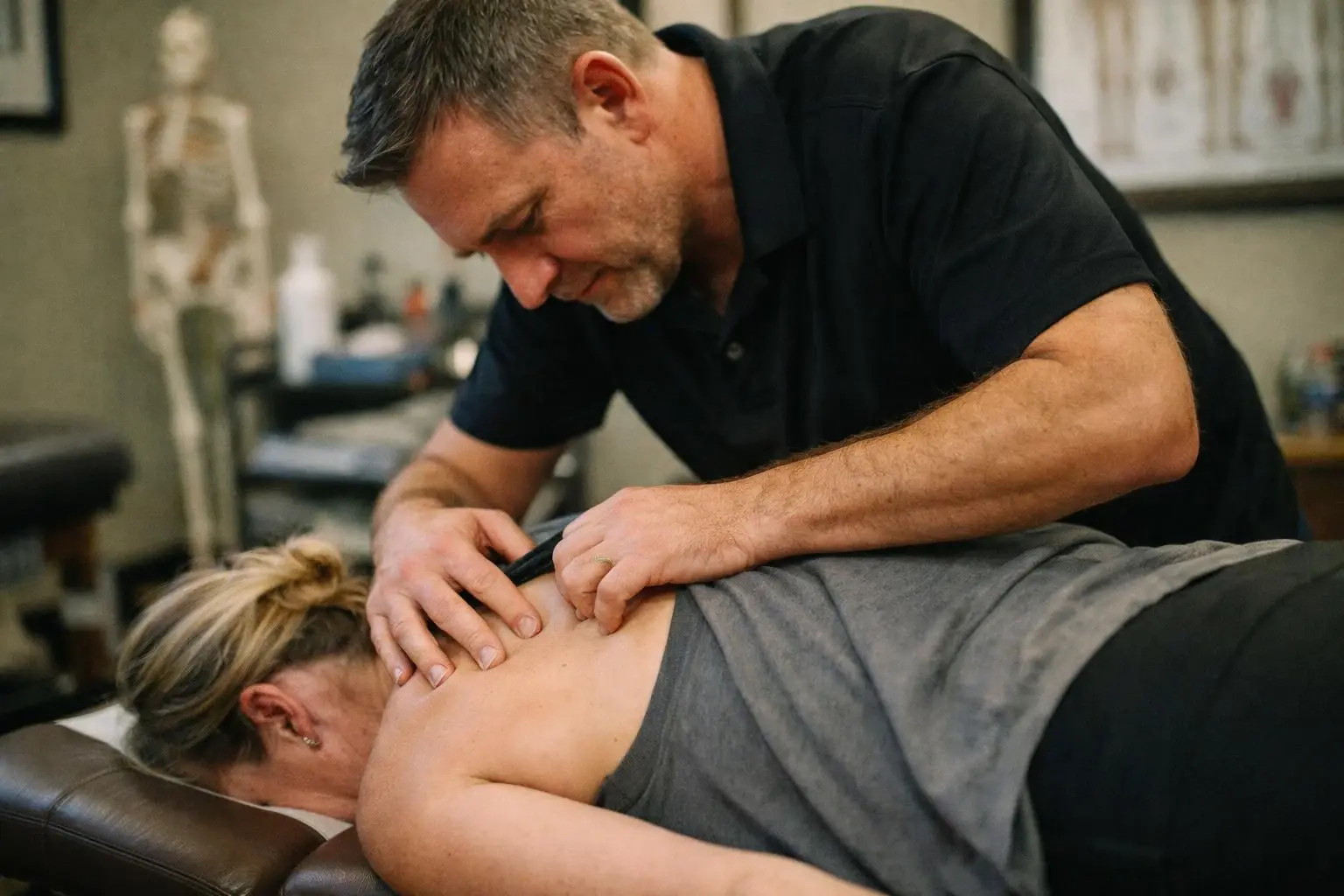
Myofascial Release is a hands-on treatment. It helps with problems in the fascia.
Related glossary terms: Soft Tissue Injury, Muscle Spasm, Chiropractic Adjustment.
Fascia is a thin layer of tissue. It wraps around muscles, bones. And organs.
When fascia gets tight, it causes pain. It can also make you stiff. You may not move as well.
Tight fascia often happens after injuries. It can also happen after surgery. Bad posture over time can cause it too.
This treatment helps you move better. It eases pain. The therapist pushes gently on tight spots.
Massage works on muscles. Myofascial Release works on fascia.
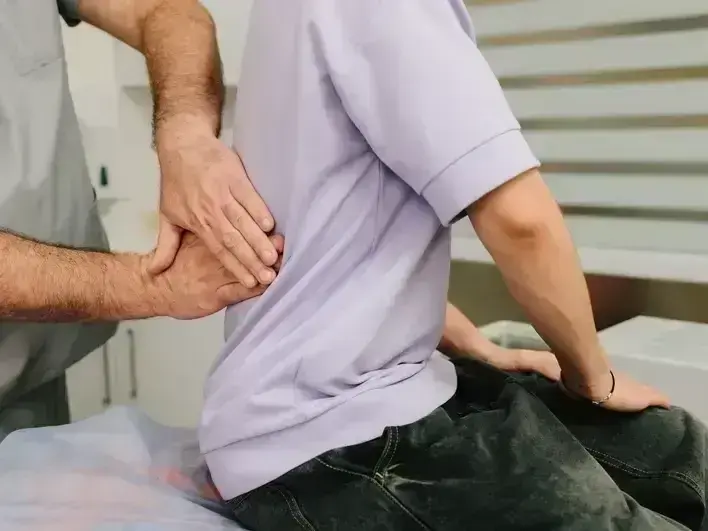
The therapist feels for tight spots. They push slowly on these spots.
This takes a few minutes for each spot. Fascia needs slow, steady pressure.
Quick moves don't help. People often feel a stretch or melt.
How Myofascial Release Works?
Myofascial Release helps with tight fascia. Tight fascia can hurt. It can stop you from moving well.
Fascia gets tight from injuries. It can also get tight from swelling. Doing the same thing over and over can cause it too.
Tight fascia pulls on muscles. It pulls on bones. This causes pain. It makes you less flexible.
The therapist feels for stiff spots. They push gently on these spots.
They push in the direction of the tightness. They hold the push until it loosens.
The push isn't too hard. But it lasts longer than other treatments.
This long push helps fascia relax. It helps fascia get back to normal.
The therapist may move your body. This helps stretch the fascia more.
This mix of push and move breaks up sticky spots. These spots limit how well you move.
Why Myofascial Release Matters?

Myofascial Release is important. Tight fascia causes many problems.
Tight fascia can squeeze nerves. It can block blood flow. It can stop joints from moving.
This causes pain. It causes stiffness. This treatment helps loosen tight fascia.
When fascia loosens, you move better. Pain goes away. You feel better overall.
It helps people healing from injuries. It helps after surgery. It helps with long-term pain like back pain.
Many treatments just hide pain. Myofascial Release fixes the real problem.
The problem is tight fascia. Fixing it gives longer relief. It helps you work better.
Fascia connects your whole body. Loosening one spot can help others too.
When Myofascial Release Matters Most?
Myofascial Release helps with long-term pain. It helps with stiffness. It helps if you can't move well.
It treats back pain. It treats neck pain. It helps with headaches and tight muscles.
Athletes use it to heal. It helps them do better. It keeps fascia healthy and loose.
It helps after surgery or accidents. Scar tissue can form in fascia. This treatment breaks it up.
It helps people with bad posture. Sitting too long can tighten fascia.
Doing the same thing over and over can too. This treatment loosens tight spots.
It brings balance back to your body. People with stress may clench jaws.
They may have tight shoulders. This treatment helps them relax.
In Newnan, GA, chiropractors use this treatment. It helps with soft tissue problems.
These problems can throw your spine out of line. Using both treatments helps more.
Patients get more pain relief. They work better overall.