Understanding Motion Palpation
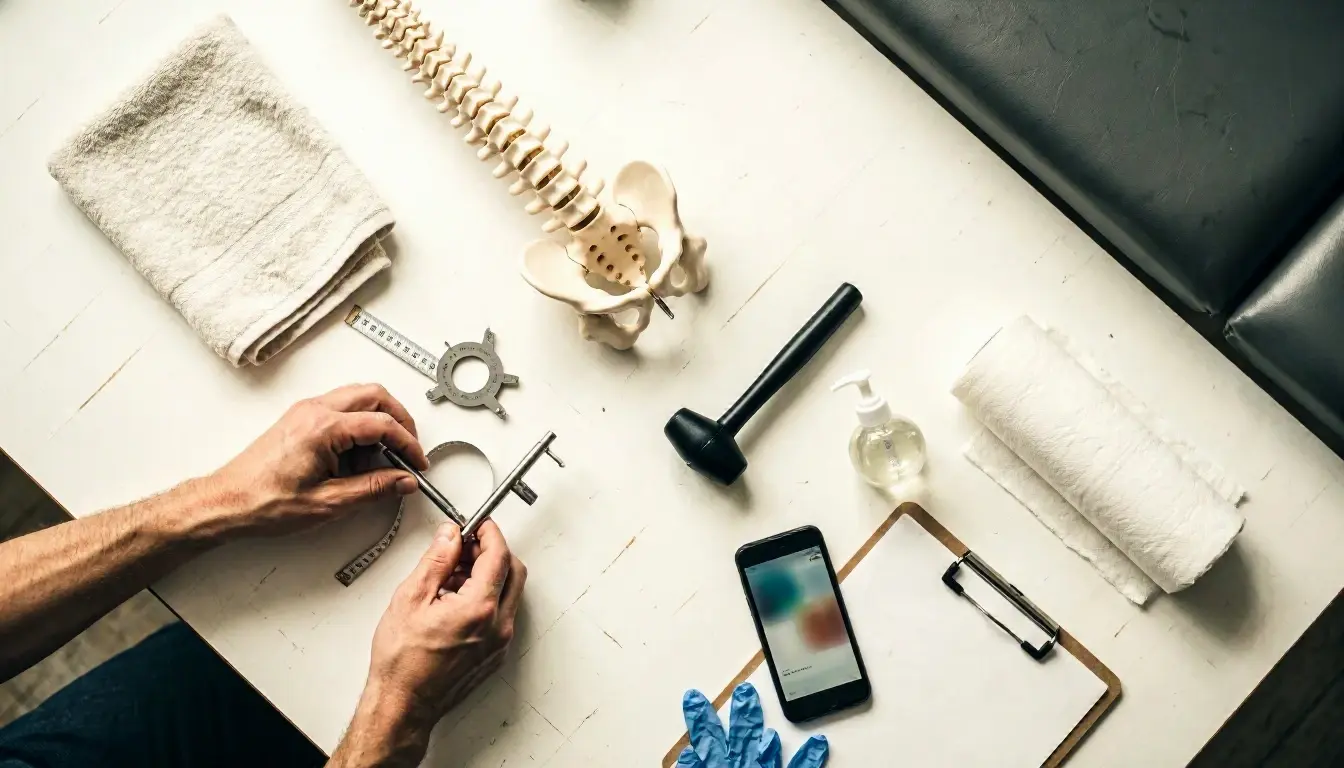
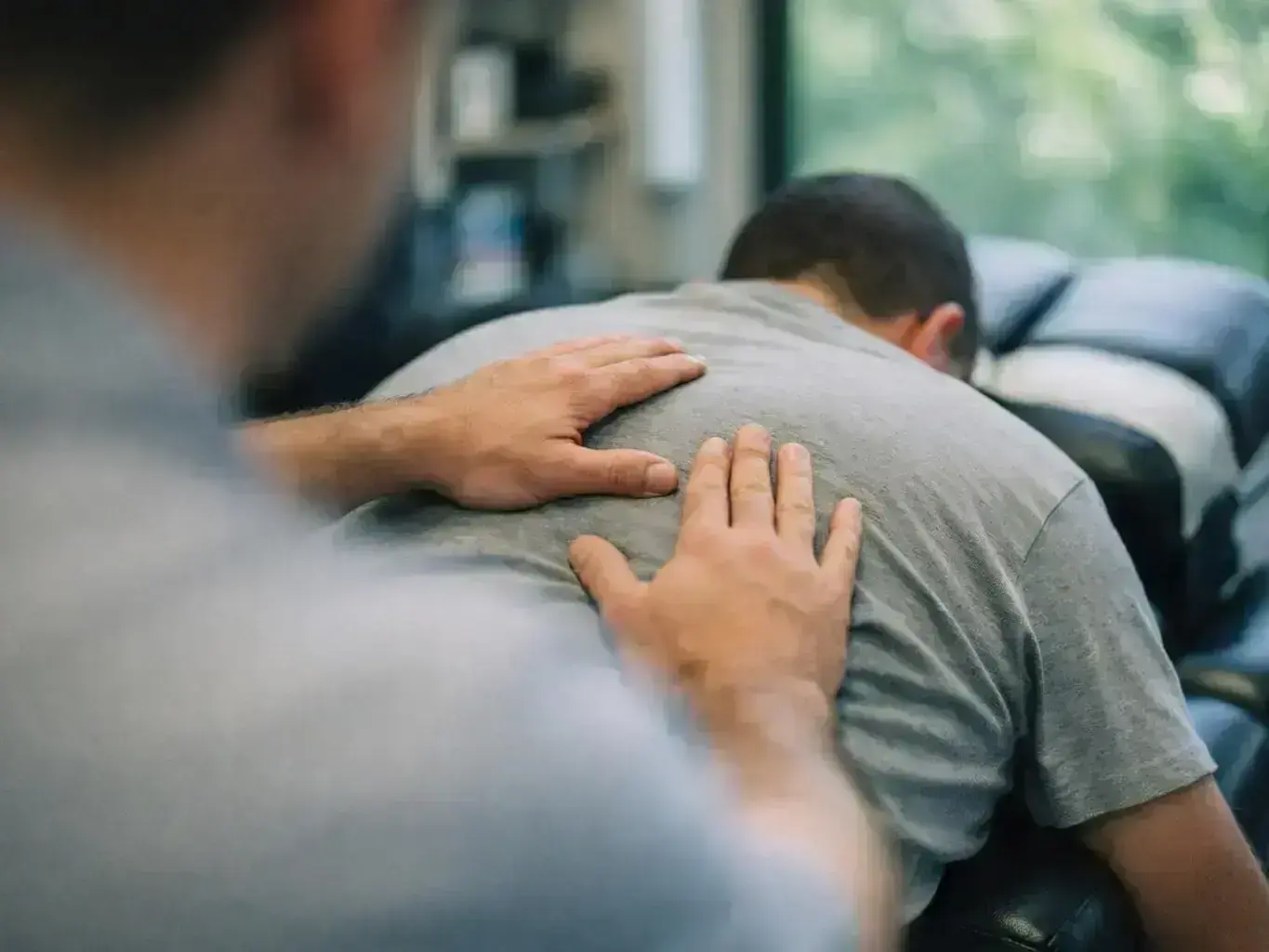
Motion Palpation is a key way to check joints. Chiropractors (joint doctors) use their hands for this. They feel how joints move.
X-rays and MRIs show still pictures. Motion Palpation shows joints moving now. It finds stiffness or uneven movement.
This helps spot problems scans can't see. Those problems can hurt comfort and movement.
How Motion Palpation Works?
Healthy joints move smoothly. They move the same on both sides. If a joint is stuck, it may not glide right.
This can happen from injury or bad posture. Motion Palpation finds stuck joints early. It often finds them before pain starts.
It's mostly used on the spine. But it works on shoulders, hips. And knees too.
Why Motion Palpation Matters?
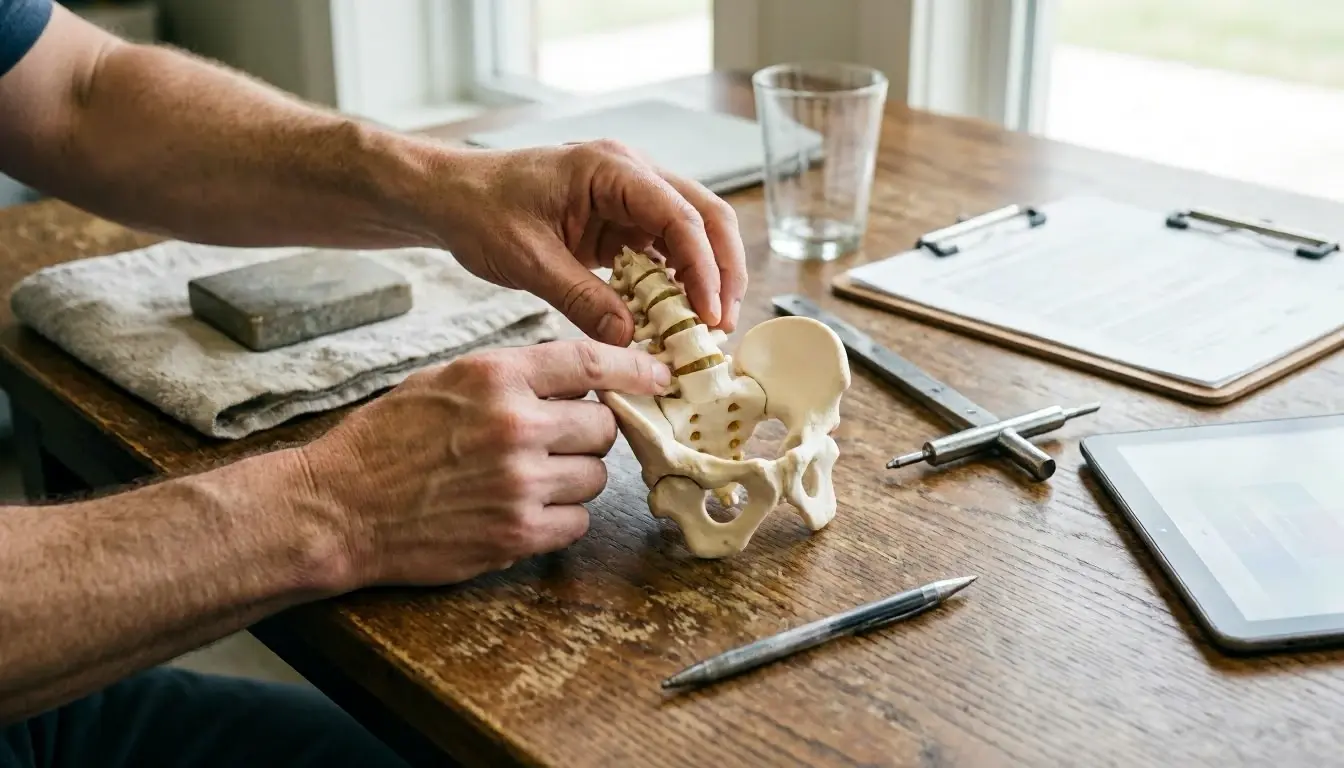
The chiropractor tells you how to sit or lie. They put hands near the joint to test. They move it gently.
For the spine, they move a small part. They move it forward, back. Or side to side. They feel for smooth movement.
If a joint feels stiff, it may be stuck. It may not move like others nearby.
When Motion Palpation Matters Most?
Other tests help too. These include posture checks. They also include joint health tests.
The exam doesn't hurt. You might feel slight pressure. It takes just a few minutes per joint.
The findings help the chiropractor. They decide if a joint needs help. That help may be an adjustment (gentle joint move).
%%SEO_CRITICAL_FRAGMENT_4%%Motion Palpation helps make care personal. It finds exact spots that need help. Then the chiropractor can focus there.
For stiff necks, they may do gentle moves. They may also do stretches. This can help you feel better faster.
This way works better than general help. It gives better results over time.
%%SEO_CRITICAL_FRAGMENT_5%%It also keeps joints healthy. Stuck joints can hurt other parts. They can strain muscles and ligaments.
Fixing stuck joints early helps posture. It cuts wear and tear. It stops future injuries too.
This matters for athletes and office workers. It helps anyone who stresses joints often.
%%SEO_CRITICAL_FRAGMENT_6%%Motion Palpation helps in many cases. It's used at first visits. It shows how joints work before care starts.
It helps with stiffness or pain. It helps if pain gets worse when moving. Chiropractors can check joints again later.
They see if movement got better. This shows if care is working.
%%SEO_CRITICAL_FRAGMENT_7%%Some problems often have stuck joints. These include whiplash (neck injury). They also include overuse injuries.
Bad posture can cause stuck joints. So can long-term back or neck pain. Even if scans look fine, joints may not work right.
For headaches, neck joints may be stuck. That can cause tension and pain. Finding these helps make better care plans.