Understanding Ligament Injury
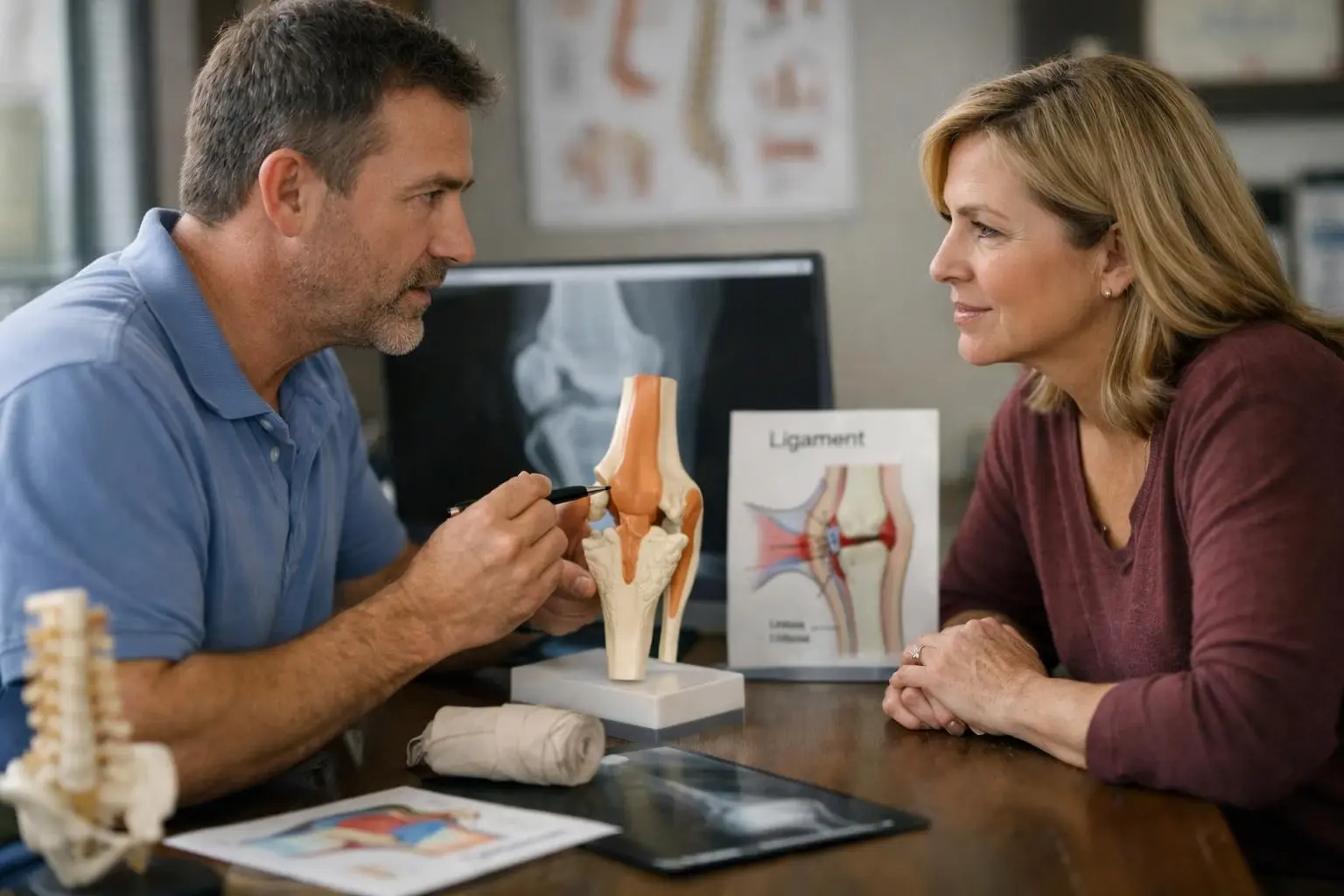
Ligaments are strong bands. They connect bones at joints. When hurt, they stretch or tear.
Related glossary terms: Soft Tissue Injury, Muscle Spasm, Disc Herniation.
Ligaments keep joints steady. They stop too much movement. When hurt, joints can hurt and swell.
You may not move the joint well. Common spots are knees, ankles, wrists. And shoulders.
These injuries often happen fast. They come from twists, falls. Or sports.
Doctors sort ligament injuries by how bad they are. Grade 1 is a mild stretch. It causes little pain and swelling.
The joint stays steady. Grade 2 is a partial tear. It hurts more and swells up.
You may see bruises. The joint might feel loose. Grade 3 is a full tear.
This causes a lot of pain. The joint can't hold weight. It feels very unstable.
See a doctor right away. This stops worse problems later.
How Ligament Injury Works?
Ligaments get hurt when joints move too far. This makes them stretch or tear.
For example, landing wrong can twist an ankle. This stretches ligaments on the side.
A quick stop can hurt knee ligaments. One is called the ACL (a knee ligament).
Your body reacts fast. It sends swelling and pain to the spot.
The area feels warm. This is part of healing. But it can limit movement.
Ligaments heal slow. They don't get much blood. Grade 1 hurts may heal in weeks.
Rest and care help. Grade 2 and 3 take months. They may need a doctor.
Start with RICE. That means Rest, Ice, Compression. And Elevation.
A chiropractor or therapist may help. They can suggest exercises or braces.
Some tears need surgery. This fixes the ligament.
Why Ligament Injury Matters?
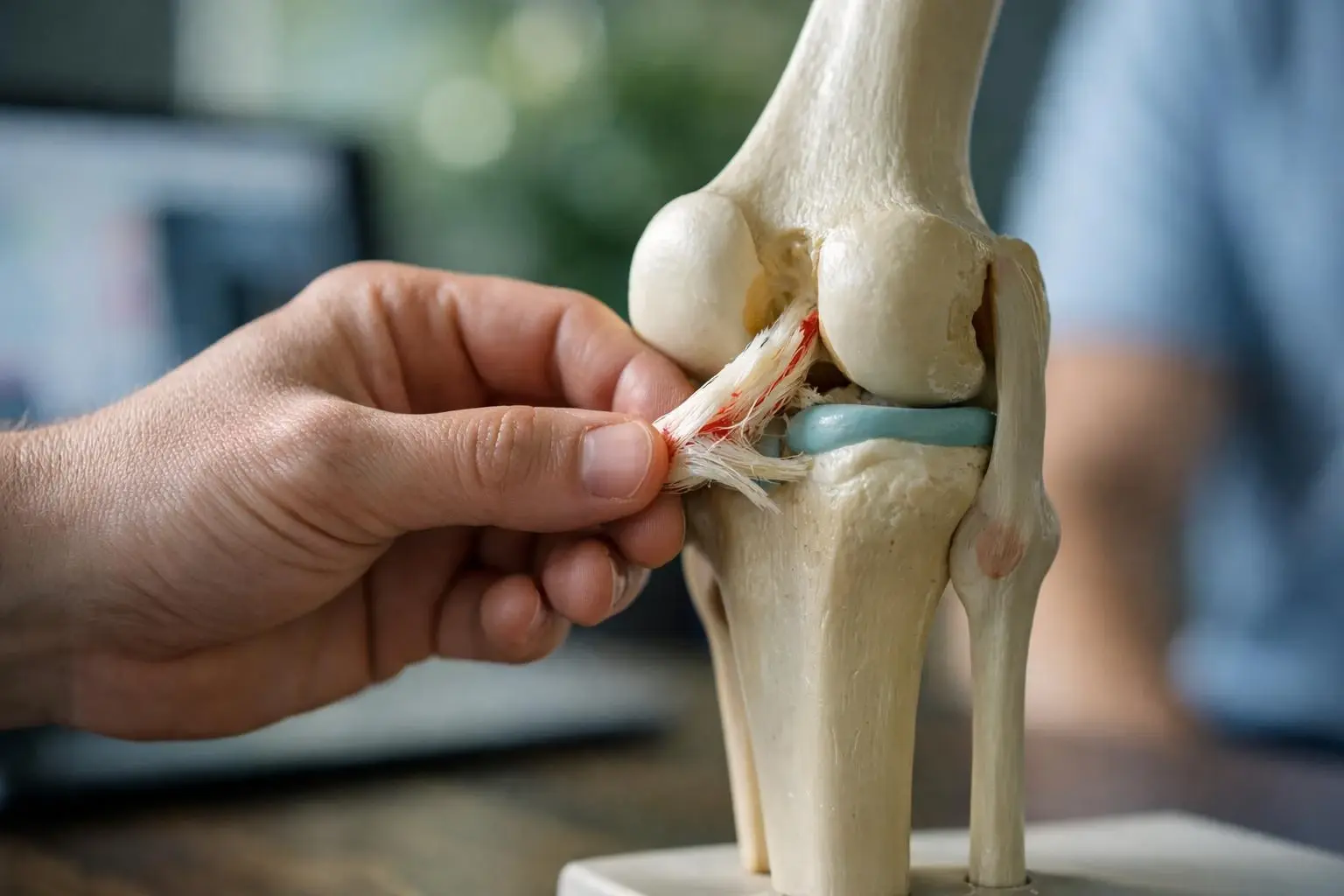
Ligament injuries matter a lot. They can change daily life.
Even a small sprain hurts. It can stop you from walking or working.
Sports may be hard too. Without care, joints can stay loose.
This raises the chance of more injuries. It can damage joints for good.
For athletes, this is big. They may miss games or training.
This can hurt their performance. It can even affect their career.
Ligament injuries cost money too. Doctor visits add up.
Therapy and time off work do too. Bad injuries may need surgery.
Early help makes a difference. It speeds up healing.
You'll get back to normal faster. You'll avoid worse problems.
Know the signs of injury. Get help soon. This stops more damage.
When Ligament Injury Matters Most?
Ligament injuries matter most for some people. They need steady joints.
Athletes are one group. They move fast and change direction.
Soccer, basketball. And running are examples. Injuries can take a long time to heal.
People with hard jobs matter too. Construction workers lift heavy things.
Nurses stand and move a lot. Injuries can stop them from working.
Accidents can hurt ligaments. Car crashes, slips. And falls are examples.
The injury may not show right away. But pain and swelling come soon.
Ignoring these signs is bad. It can make the injury worse.
Older adults need to be careful. Their joints may already be weak.
Arthritis can make healing harder. Getting help fast is key.
Know when to see a doctor. Sudden pain means go now.
If pain won't go away, get help. This can change how well you heal.