Understanding Chiropractic Biophysics
Chiropractic Biophysics (CBP) is a research-backed approach within chiropractic care that targets the root causes of spinal pain and dysfunction. Unlike traditional chiropractic methods that focus mainly on relieving symptoms, CBP aims to correct the spine’s structure by restoring its natural curves. This technique is based on the idea that proper spinal alignment improves overall health, reduces pain. And prevents future injuries. It's often used for patients with chronic back pain, poor posture. Or spinal conditions like scoliosis or disc herniation.
Related glossary terms: Posture Correction, Chiropractic Adjustment, Spinal Decompression.
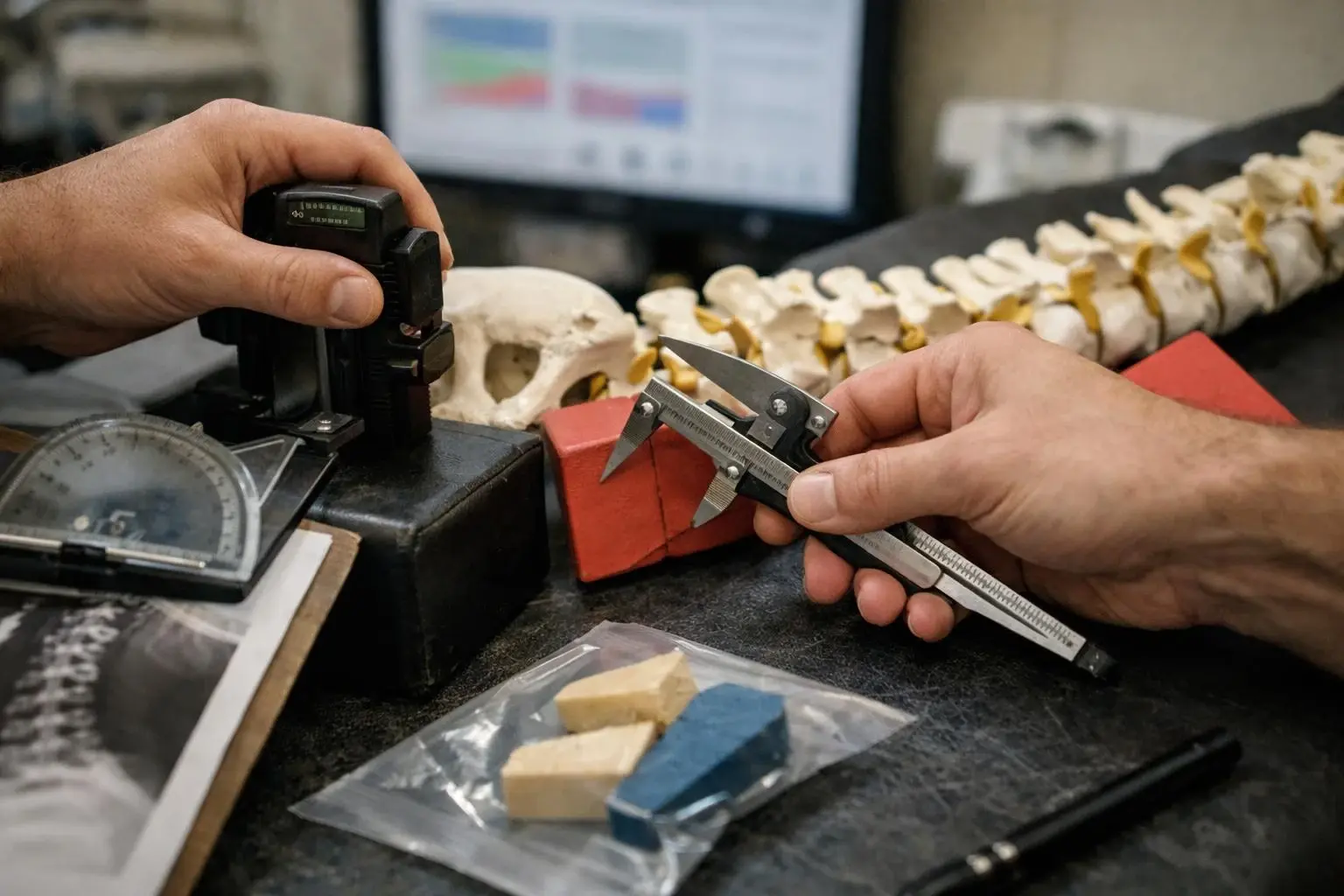
The foundation of CBP lies in biomechanics, the study of how forces affect the body’s movement and structure. Chiropractors trained in CBP use detailed measurements, including X-rays and posture analysis, to identify spinal misalignments. These measurements help create a personalized treatment plan that may include spinal adjustments, traction. And specific exercises. The goal is to gradually reshape the spine into a healthier alignment, which can relieve pressure on nerves, reduce muscle tension. And improve mobility.
How Chiropractic Biophysics Works?
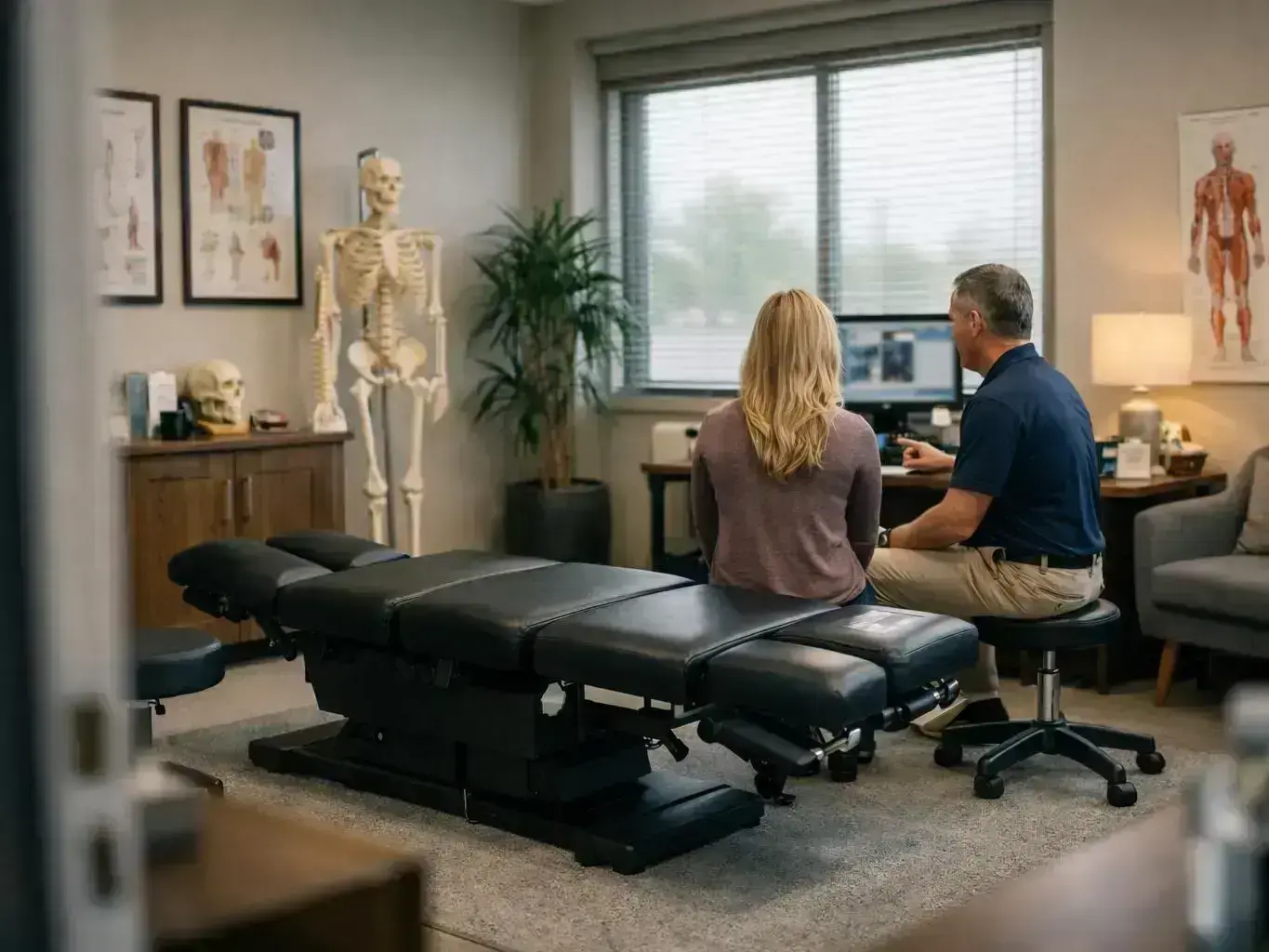
Chiropractic Biophysics follows a structured process to evaluate and treat spinal issues. First, the chiropractor conducts a thorough examination, which often includes taking X-rays of the spine from multiple angles. These X-rays help measure the spine’s curves, such as the cervical (neck) and lumbar (lower back) lordosis, to determine how far they deviate from the ideal shape. The chiropractor also assesses posture, range of motion. And any areas of pain or stiffness.
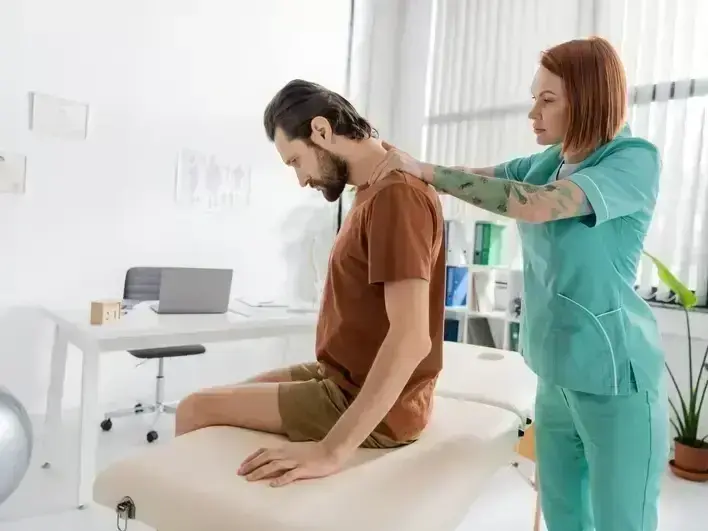
Based on these findings, the chiropractor designs a treatment plan that typically combines three key components: spinal adjustments, traction. And therapeutic exercises. Spinal adjustments involve gentle, precise forces to realign vertebrae. Traction, often done using specialized tables or devices, applies controlled pressure to stretch and decompress the spine. Exercises are prescribed to strengthen supporting muscles and help maintain the corrections. Treatment sessions are usually scheduled over several weeks or months, with periodic re-evaluations to track progress.
CBP also emphasizes patient education. Patients learn how their daily habits, such as sitting at a desk or using a phone, may contribute to spinal misalignment. The chiropractor may recommend ergonomic changes, stretches. Or postural exercises to support the treatment and prevent future issues. This complete approach ensures that improvements are not just temporary but become a lasting part of the patient’s spinal health.
Why Chiropractic Biophysics Matters?
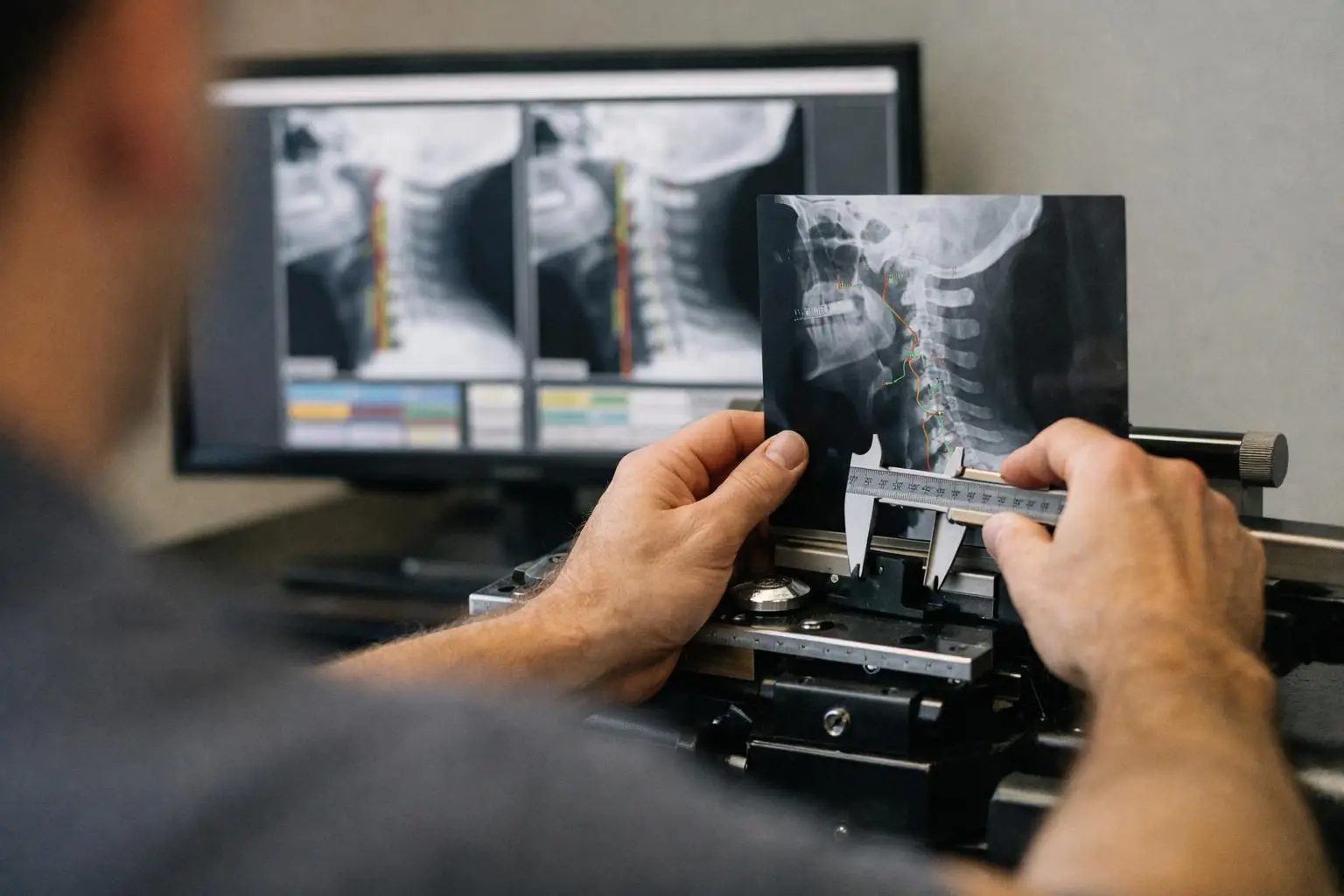
Chiropractic Biophysics matters because it addresses the underlying structural problems that cause chronic pain and dysfunction. Many people with back or neck pain seek relief through temporary solutions, such as pain medication or occasional adjustments, which don't fix the root issue. CBP offers a different approach by focusing on correcting spinal alignment, which can lead to long-term pain relief and improved quality of life. For example, restoring the natural curve in the lower back can reduce pressure on discs and nerves, decreasing the risk of herniation or sciatica.
Another key benefit of CBP is its potential to slow or reverse spinal degeneration. Poor posture and misalignment can accelerate wear and tear on the spine, leading to conditions like osteoarthritis or spinal stenosis. By improving spinal alignment, CBP helps distribute forces evenly across the spine, reducing stress on specific areas. This can prevent further damage and may even improve mobility and function in patients with existing degenerative conditions. And CBP’s emphasis on posture correction can benefit overall health, as poor posture is linked to issues like headaches, fatigue. And even digestive problems.
When Chiropractic Biophysics Matters Most?
Chiropractic Biophysics is particularly valuable for individuals with chronic spinal conditions or those who have not found relief through traditional chiropractic care or other treatments. It is often recommended for patients with conditions such as scoliosis, where the spine has an abnormal sideways curve. Or hyperkyphosis, where the upper back is excessively rounded. CBP can also help people with long-standing back pain caused by poor posture, repetitive stress. Or previous injuries, such as car accidents or sports injuries.
CBP may also be beneficial for patients preparing for or recovering from spinal surgery. Before surgery, CBP can help improve spinal alignment to improve surgical outcomes. After surgery, it can aid in rehabilitation by gently restoring mobility and reducing scar tissue formation. And athletes or individuals with physically demanding jobs may use CBP to maintain spinal health and prevent injuries caused by repetitive movements or heavy lifting. But CBP is not suitable for everyone, such as those with severe osteoporosis, spinal fractures. Or certain neurological conditions. So a thorough evaluation is necessary before starting treatment.