What techniques are used in prenatal chiropractic care?
Manual therapy uses pregnancy-safe positioning, pelvic support, gentle adjustments, mobility exercises, and soft tissue work. Our team may also discuss the Activator Method or TENS therapy when the evaluation supports those options. Technique choice depends on your symptoms, movement, health history, and comfort. Individual response differs, so the plan can change after progress is reviewed.
What does the team look at first during care?
The new patient intake comes first and records your health history, symptoms, and movement concerns. The exam then reviews musculoskeletal function and positions that affect comfort. We use those findings to discuss a care plan. Patients should also share current medical concerns, prior injuries, and any symptoms that might need medical attention.
What should be checked before care is scheduled?
Pregnancy-related warning signs should be checked by the appropriate medical provider before hands-on care is scheduled. Our consultation reviews symptoms, health history, movement limits, and the reason for seeking care. We can then discuss whether chiropractic assessment fits. Severe or sudden symptoms should receive prompt medical attention instead of waiting for a routine visit.
How does pregnancy positioning affect the treatment plan?
Pregnancy positioning affects comfort, pelvic support, and which hands-on methods fit the evaluation. We discuss supported positions before adjusting or using soft tissue therapy. The plan should reflect current symptoms and movement limits. Tell our team if any position increases discomfort, pressure, dizziness, or other concerning symptoms.
Which exercises might be discussed during care?
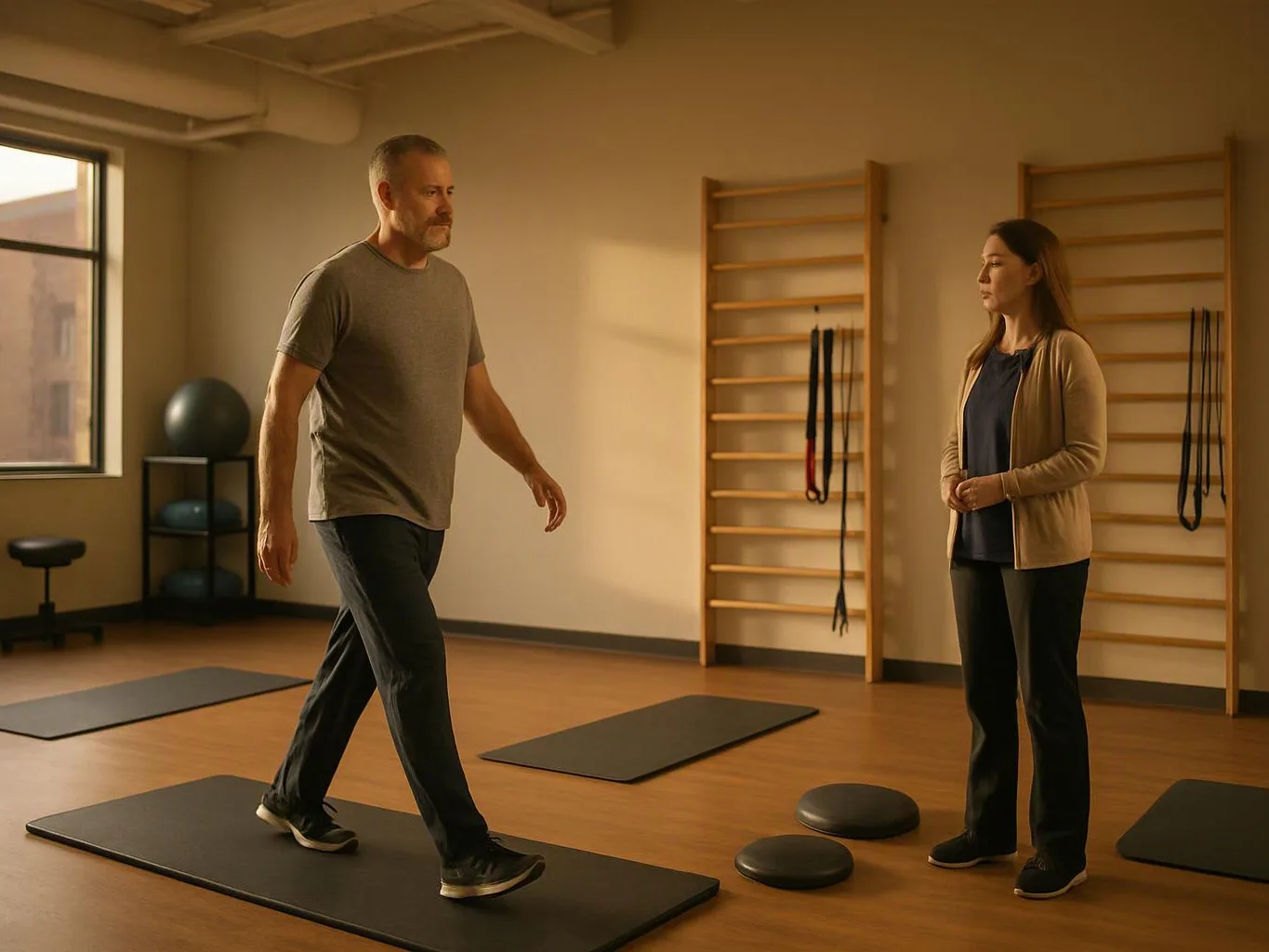
Mobility exercises may be discussed when movement limits or muscle tension affect daily activity. The exercises depend on the evaluation and should match your current comfort level. We may pair mobility work with pelvic support or soft tissue therapy. Stop an exercise that causes concerning symptoms and discuss the change with your medical provider.
Why might someone choose a consultation first?
A free consultation lets you discuss symptoms, pregnancy concerns, and treatment fit before care begins. The conversation can clarify the evaluation, positioning, techniques, and next steps. It also gives our team information about warning signs or limits that affect the plan. Individual response differs, so no outcome is promised before assessment.
What changes the cost of this care?
The evaluation needs and selected services change the cost of care. We review whether the visit includes manual techniques, soft tissue work, mobility exercises, or an individualized rehabilitation program. Our team explains the planned services before treatment. Request a consultation for an exact discussion of your care needs.