Understanding NBCE
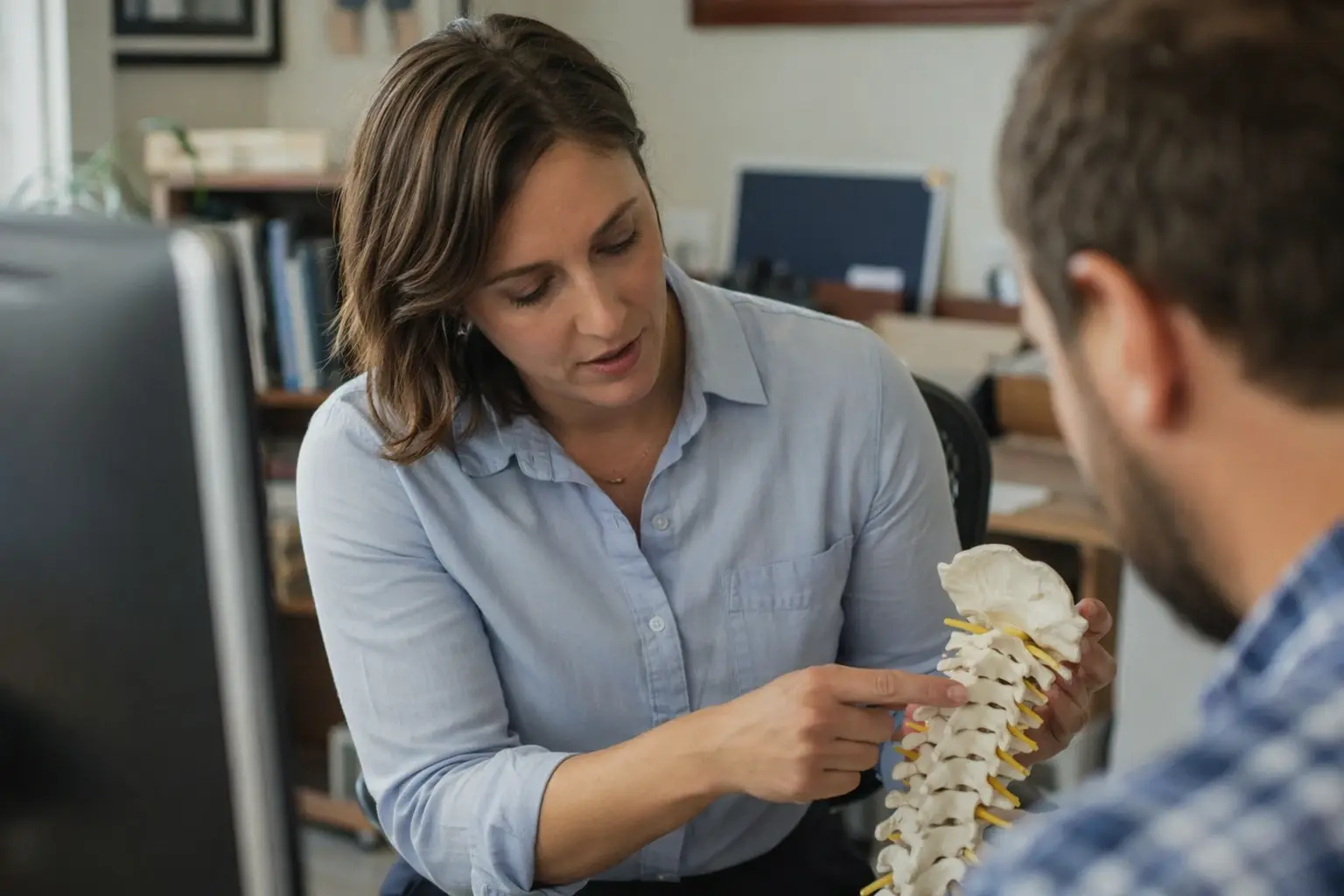
The National Board of Chiropractic Examiners (NBCE) is an independent, nonprofit organization founded in 1963. Its primary role is to develop and administer standardized exams that evaluate the competency of chiropractic students and graduates. These exams are designed to ensure that chiropractors possess the necessary knowledge and skills to provide safe and effective care to patients. The NBCE doesn't grant licenses to practice; instead, it provides exam results to state licensing boards, which then determine whether an individual meets their specific licensing requirements.
Related glossary terms: Chiropractic License, Chiropractic Care, Chiropractic Adjustment.
The NBCE exams are recognized by all 50 states, the District of Columbia. And several international jurisdictions. This widespread recognition makes the NBCE a critical step in the licensure process for chiropractors across the United States. The exams cover a broad range of topics, including basic sciences, clinical sciences, chiropractic principles. And practical skills. By standardizing the testing process, the NBCE helps maintain consistent competency standards for chiropractors, regardless of where they attended school or where they plan to practice.
How NBCE Exams Work?
The NBCE offers several exams, each targeting different stages of a chiropractor's education and career. The most well-known exams are Part I, Part II, Part III. And Part IV, which are typically taken during or after chiropractic school. Part I covers basic sciences, such as anatomy, physiology. And chemistry. Part II focuses on clinical sciences, including diagnosis, chiropractic techniques. And patient management. Part III is a written exam that assesses clinical competency. While Part IV is a practical exam that evaluates hands-on skills, such as spinal adjustment techniques and diagnostic imaging interpretation.
In addition to these core exams, the NBCE also offers optional exams, such as the Physiotherapy exam and the Acupuncture exam, which may be required by some states for chiropractors who wish to offer these services. The exams are administered at testing centers across the country. And students must register and pay fees to take them. Scores are reported directly to the state licensing boards, which use the results to determine eligibility for licensure. The NBCE also provides study guides and practice exams to help students prepare, ensuring they have the resources needed to succeed.
Why NBCE Matters?

The NBCE plays a crucial role in protecting public health and safety by ensuring that chiropractors meet minimum competency standards before entering practice. Without standardized exams, there would be no consistent way to verify that chiropractors possess the necessary knowledge and skills to diagnose and treat patients effectively. The NBCE exams help prevent unqualified individuals from practicing, reducing the risk of misdiagnosis, improper treatment. And patient harm. By setting a national standard, the NBCE also promotes uniformity in chiropractic education and practice across different states and regions.
For chiropractic students, passing the NBCE exams is a critical milestone in their career journey. Success on these exams demonstrates their readiness to enter the profession and provides assurance to patients, employers. And licensing boards that they're competent practitioners. The exams also help chiropractic schools evaluate the effectiveness of their programs, as high pass rates can indicate strong educational outcomes. Ultimately, the NBCE exams contribute to the credibility and legitimacy of the chiropractic profession, building trust among patients and the broader healthcare community.
When NBCE Matters Most?
The NBCE exams are most important during the licensure process for chiropractors. Chiropractic students typically take the exams during their final years of school or shortly after graduation, as most states require passing scores to obtain a license. For example, students may take Part I and Part II during their third or fourth year of chiropractic school. While Part III and Part IV are often taken after graduation. Some states also require additional NBCE exams, such as the Physiotherapy or Acupuncture exams, depending on the scope of practice allowed in that state.
The NBCE exams also matter when chiropractors seek licensure in multiple states. Since the exams are recognized nationwide, chiropractors who move or wish to practice in another state can often use their NBCE scores to meet licensure requirements, avoiding the need to retake exams. And the NBCE exams are important for chiropractic schools, as they provide a benchmark for evaluating the quality of their programs. Schools with high pass rates can demonstrate to students, accreditors. And the public that their graduates are well-prepared for professional practice.
A common issue is For patients, the NBCE exams offer reassurance that their chiropractor has met rigorous standards for competency. While licensure requirements vary by state, the NBCE exams provide a consistent measure of a chiropractor's knowledge and skills. Patients can feel confident that a licensed chiropractor has passed these exams and is qualified to provide safe and effective care.