Glossary

What is Chiropractic Neurology?

Chiropractic Neurology is a specialized branch of chiropractic care that focuses on diagnosing and treating neurological disorders through non-surgical, drug-free methods. Chiropractic Neurology combines principles of chiropractic adjustment with neuroscience to improve brain-body communication, often addressing conditions like balance issues, chronic pain. And movement disorders.

Reviewed by ChiropractorNewnan.linkSources reviewed: American Chiropractic Neurology Board, National University of Health Sciences

Quick Facts About Chiropractic Neurology

Category

Chiropractic specialty

Used for

Neurological dysfunction, chronic pain, balance disorders

Common confusion

Often mistaken for general chiropractic or neurology alone

Also called

Functional Neurology, Chiropractic Functional Neurology

Key Takeaways About Chiropractic Neurology

Understanding Chiropractic Neurology
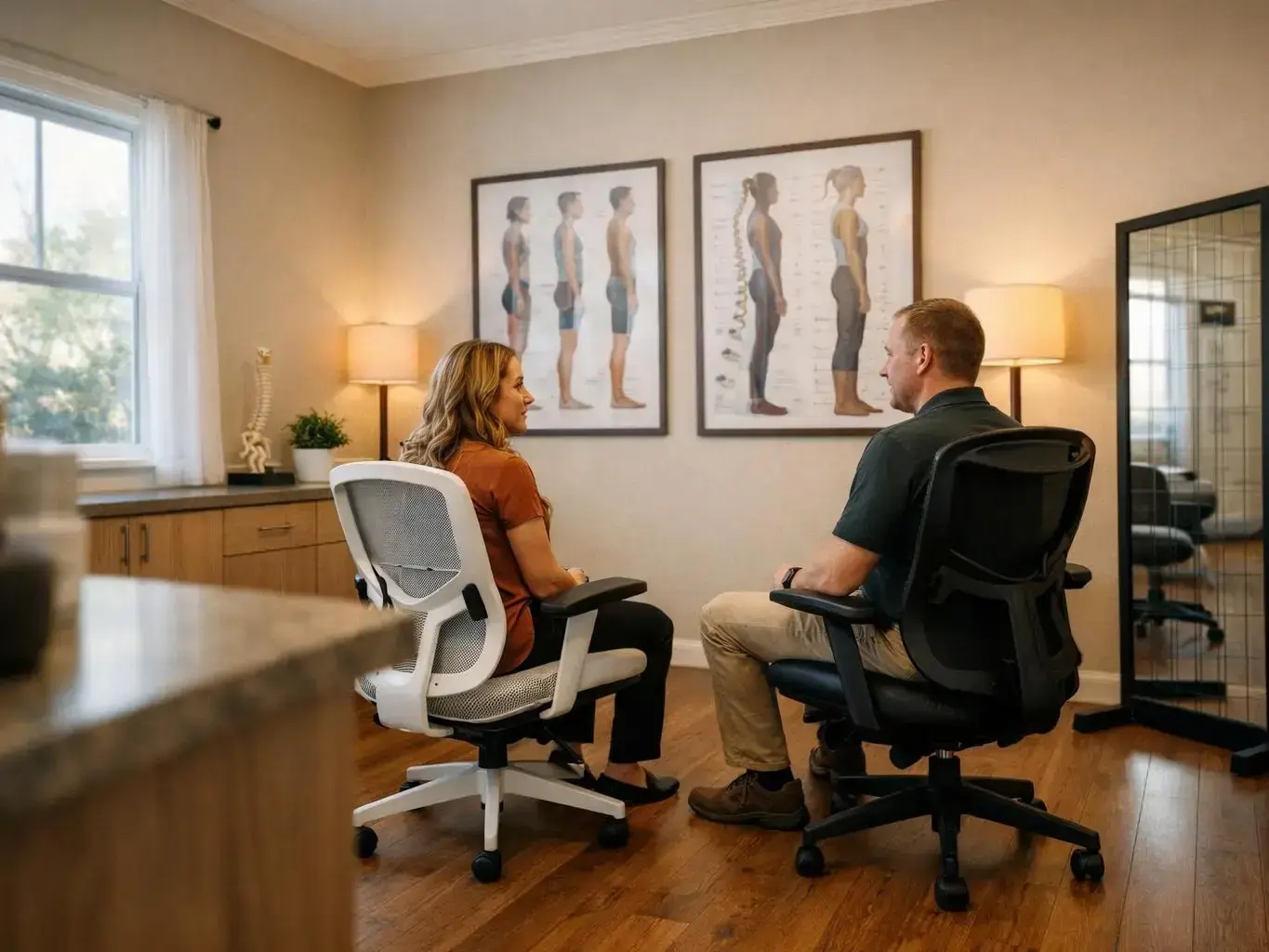
Chiropractic Neurology in Chiropractor: Chiropractic Neurology is a specialized branch of chiropractic care that focuses o...

Chiropractic Neurology links chiropractic care and brain science. It looks at how the brain, spine. And nerves work as one. This helps control movement, feeling. And health.

Related glossary terms: Chiropractic Care, Motion Palpation, Orthopedic Testing.

Traditional chiropractic care often fixes spine alignment. Chiropractic Neurology goes further. It checks how spine problems hurt the nerves.

This helps find why some people have long-term pain. They may feel dizzy or have trouble moving. Tests may not show clear damage.

Experts in this field train extra. They learn how the brain works. They study nerve paths and how the body heals.

They make plans just for you. These may include spine fixes. They may add eye exercises or balance training.

These help retrain the nerves. The goal is better brain-body talk. This can cut pain without drugs or surgery.

How Chiropractic Neurology Works?

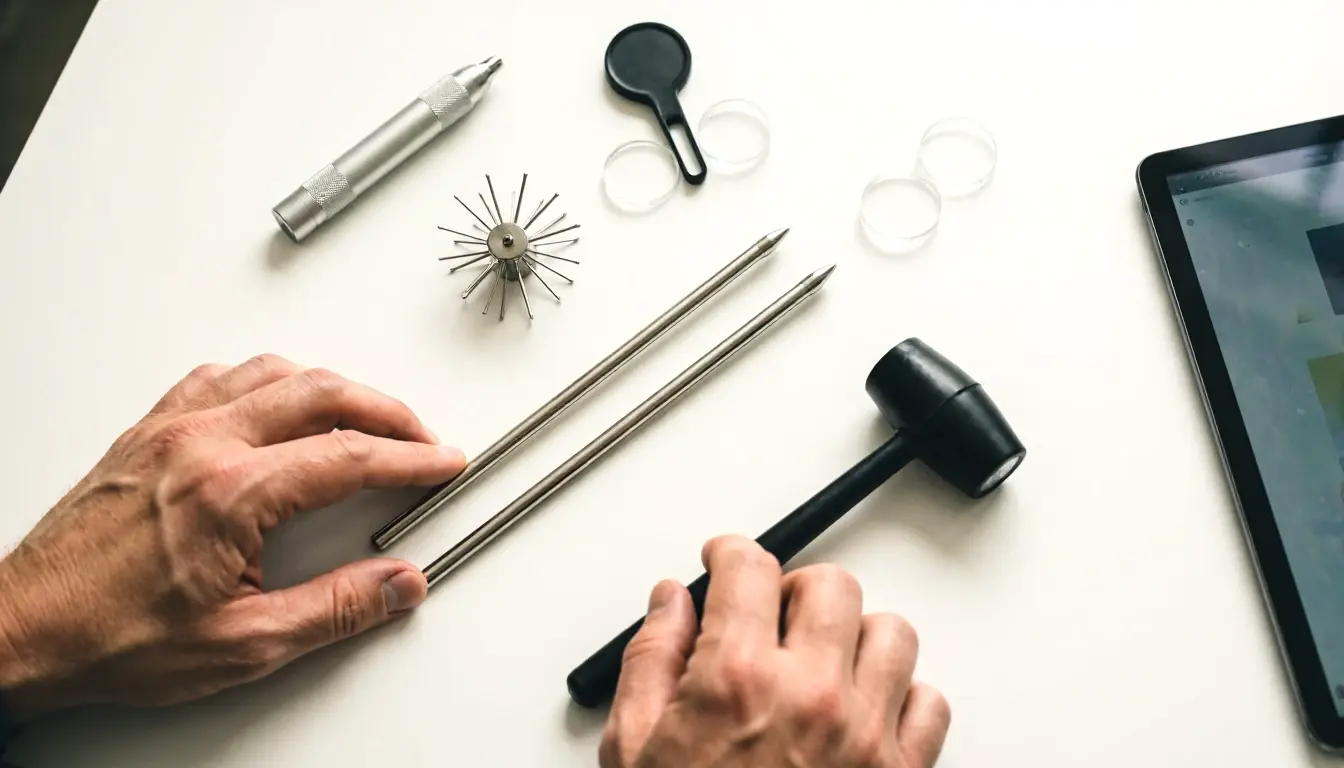
Chiropractic Neurology starts with a full check. The chiropractor tests your nerves. They look at reflexes, eyes. And balance.

They check muscle strength too. They see how your body feels things. This finds where brain and body don't sync.

Say you feel dizzy. The chiropractor checks your ears, eyes. And brain. They see how these keep you steady.

If tests show a weak spot, they make a plan. This may include exercises. It may include spine fixes.

Local patients often get mixed care. They may get hands-on spine work. They may also do brain exercises.

For example, eye-tracking helps the brain. Spine fixes ease nerve pain. The brain can relearn healthy ways.

This helps with vertigo (dizziness). It helps with nerve pain. It aids recovery after a hard hit to the head.

Why Chiropractic Neurology Matters?

How Chiropractic Neurology applies to Chiropractor services in Newnan, United States—practical illustration

Chiropractic Neurology helps with tough health problems. Some issues don't fix with usual care. They may come from nerves, not just muscles.

This care can help when others fail. You may have been told surgery is your only hope. Or that you need drugs.

It also helps athletes. It aids kids with slow development. Older adults with movement trouble may see gains.

It is safe and natural. It doesn't need surgery. It doesn't rely on long-term drugs.

The body can heal itself. This method helps it do that. It cuts risks and side effects.

Many people feel better. They enjoy life more. They don't depend on drugs or surgery.

When Chiropractic Neurology Matters Most?

Chiropractic Neurology helps when usual care doesn't. It aids people with long-term headaches. It helps those with leg nerve pain.

It also helps after a concussion (hard hit to the head). People hurt in car crashes may see gains. So may those hurt in sports.

Kids with trouble learning may improve. Kids with movement issues may get better. This includes ADHD and cerebral palsy.

Older adults with balance trouble may feel steadier. Nerve pain can raise fall risk. This care can lower that risk.

It helps the nerves work better. People move with more trust. They may not need walkers or canes.

This care offers a new way to heal. It helps those stuck with usual care. It gives hope for a better life.


How to Evaluate Chiropractic Neurology?

Related Concepts Compared

Chiropractic Neurology vs. Traditional Chiropractic Care

Traditional chiropractic focuses on spinal alignment and joint function. While Chiropractic Neurology targets brain-body communication and nervous system health.

Chiropractic Neurology vs. Neurology (Medical)

Medical neurology often uses medication or surgery to treat nervous system disorders. While Chiropractic Neurology relies on non-invasive therapies like adjustments and exercises.

Expert Note

Chiropractic Neurology is not a replacement for emergency medical care but can be a powerful complementary approach for chronic neurological conditions. The best results come from consistent, personalized treatment plans that address the root cause of dysfunction rather than just symptoms.

Common Mistakes or Myths About Chiropractic Neurology

  • Assuming Chiropractic Neurology is the same as general chiropractic care.
  • Expecting immediate results, as neurological healing often takes weeks or months.
  • Choosing a practitioner without specialized training in neurology.
  • Ignoring exercises or home recommendations, which are key to success.

Chiropractic Neurology in Practice: A Real-World Example

A patient with chronic dizziness visits a chiropractic neurologist. After testing, the chiropractor discovers the patient’s brain is not properly processing signals from the inner ear. The treatment plan includes spinal adjustments to reduce nerve irritation and eye exercises to improve brain-ear coordination. Over several weeks, the patient’s dizziness decreases. And they regain confidence in their balance.

Sources & Further Reading on Chiropractic Neurology

Related Terms

Chiropractic Care

Chiropractic Care is a health profession focused on diagnosing and treating musculoskeletal disorders, primarily through manual adjustments of the spine and joints. Chiropractors use hands-on techniques to improve mobility, reduce pain. And support the body’s natural healing processes without surgery or medication. This care often addresses back pain, neck pain, headaches.

Motion Palpation

Motion Palpation is a hands-on diagnostic technique chiropractors use to assess joint movement and identify areas of stiffness, restriction. Or abnormal motion in the spine or other joints.

Orthopedic Testing

Orthopedic Testing is a series of hands-on examinations chiropractors and medical professionals use to identify musculoskeletal injuries or conditions. These tests involve specific movements, pressure. Or positions that reproduce symptoms, helping pinpoint the source of pain, stiffness.

ChiropractorNewnan.link

Have Questions About Chiropractic Neurology?

Contact ChiropractorNewnan.link for practical guidance on Chiropractic Neurology and related chiropractor work in Newnan.

+1 770-692-1041