Understanding Electrical Muscle Stimulation
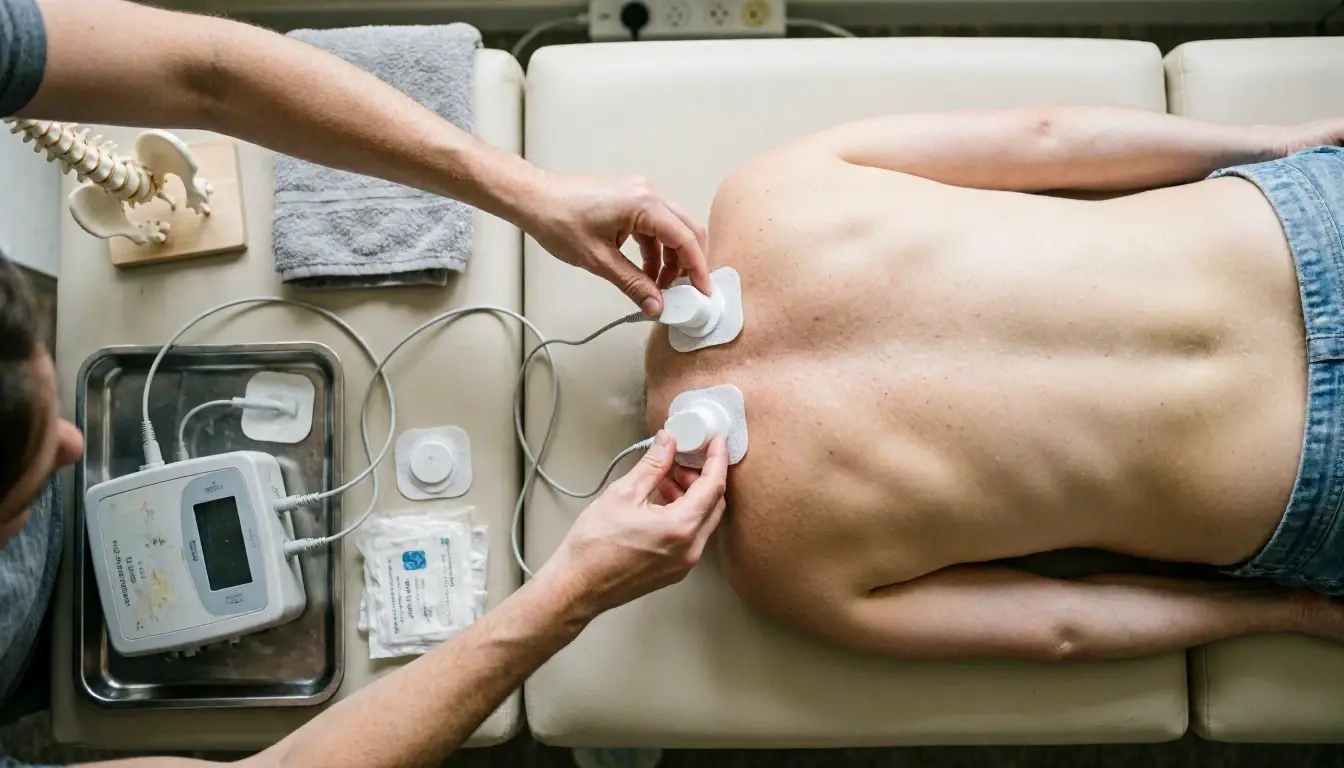
Electrical Muscle Stimulation (EMS) is a treatment method that delivers small electrical pulses to muscles through electrodes placed on the skin. These pulses cause the muscles to contract and relax, similar to how they would during voluntary movement. The goal of EMS is to improve muscle function, reduce discomfort. And accelerate recovery from injuries or surgical procedures. Unlike voluntary exercise, EMS can target specific muscle groups without requiring active participation from the patient, making it useful for individuals who may have limited mobility or strength.
Related glossary terms: Chiropractic Care, Soft Tissue Therapy, Decompression Therapy.
EMS is widely used in clinical settings, including chiropractic offices, physical therapy clinics. And sports medicine facilities. It's often part of a broader treatment plan that may include manual adjustments, stretching. And strengthening exercises. The electrical impulses used in EMS are typically mild and safe. But they must be carefully controlled by a trained professional to avoid overstimulation or discomfort. Patients often describe the sensation as a tingling or tapping feeling, followed by a gentle muscle contraction.
How Electrical Muscle Stimulation Works?
The science behind EMS involves the use of electrical currents to stimulate motor nerves, which then activate muscle fibers. When electrodes are placed on the skin near a targeted muscle, the electrical impulses travel through the skin and reach the nerves beneath. These nerves respond by sending signals to the muscle, causing it to contract. The intensity, frequency. And duration of the impulses can be adjusted to achieve different therapeutic effects, such as pain relief, muscle strengthening. Or improved circulation.
During a typical EMS session, a practitioner will first assess the patient’s condition and determine the appropriate muscle groups to target. Electrodes are then placed on the skin over these muscles. And the device is set to deliver impulses at a comfortable level. Sessions usually last between 10 to 30 minutes, depending on the treatment goals. For example, patients recovering from a muscle strain may use EMS to prevent muscle atrophy. While athletes might use it to boost muscle endurance and performance. The frequency of sessions can vary, with some patients benefiting from daily treatments initially, followed by less frequent maintenance sessions.
Why Electrical Muscle Stimulation Matters?

EMS plays a valuable role in rehabilitation and pain management because it addresses several key challenges faced by patients recovering from injuries or surgeries. One of the primary benefits of EMS is its ability to activate muscles that may be weak or difficult to engage voluntarily. That means particularly important for individuals who have experienced muscle atrophy due to inactivity, nerve damage. Or prolonged immobilization. By stimulating these muscles, EMS helps maintain muscle mass, improve strength. And prevent further deterioration.
Another important benefit of EMS is its ability to reduce pain and inflammation. The electrical impulses can help block pain signals from reaching the brain, providing temporary relief for conditions like chronic back pain, muscle spasms. Or joint discomfort. And EMS promotes blood circulation to the treated area, which can accelerate the healing process by delivering oxygen and nutrients to damaged tissues. For athletes, EMS can also be used to boost muscle recovery after intense training, reducing soreness and improving performance over time.
When Electrical Muscle Stimulation Matters Most?
EMS is most beneficial in situations where traditional exercise or movement is difficult or impossible. For example, patients recovering from surgery, such as a knee replacement or spinal procedure, may struggle to engage their muscles due to pain or limited mobility. In these cases, EMS can be used to prevent muscle wasting and maintain strength until the patient is able to participate in active rehabilitation. Similarly, individuals with neurological conditions, such as stroke or spinal cord injuries, may use EMS to retrain muscles that have lost voluntary control.
Many projects start with EMS is also valuable for managing chronic pain conditions, such as lower back pain, sciatica. Or muscle tension. By stimulating the muscles and promoting relaxation, EMS can help reduce spasms and improve flexibility. Athletes and active individuals may use EMS as part of their recovery routine to alleviate muscle soreness and boost performance. And EMS can be used to address muscle imbalances, such as those caused by poor posture or repetitive strain injuries, by targeting specific muscle groups that may be underused or overworked.
In chiropractic care, EMS is often combined with other therapies, such as spinal adjustments, massage. Or stretching, to provide full relief for musculoskeletal issues. Patients in Newnan, GA, may find EMS particularly helpful for managing pain related to auto accidents, work injuries. Or sports activities, as it supports the body’s natural healing processes without the need for invasive procedures or medications.