Sports Injury Symptoms: When to Stop and Get Evaluated
Sports injury symptoms that worsen, limit movement, affect weight-bearing, or include neurological or head and neck warning signs require stopping activity and getting evaluated; Arrowhead Clinic Chiropractor Newnan checks the injury pattern and discusses appropriate Sports Injury Treatment, with Free Consultations available.
Get a Free EstimateWhat Are Common Signs of a Sports Injury?
Sports injury symptoms can include pain, swelling, bruising, reduced movement, weakness, instability, and changes in how you walk, run, lift, or perform an activity.
A sports injury may affect a muscle, tendon, ligament, joint, or bone. We look at how symptoms started and how they respond to movement so we can separate a minor activity-related injury from a problem that needs further evaluation.
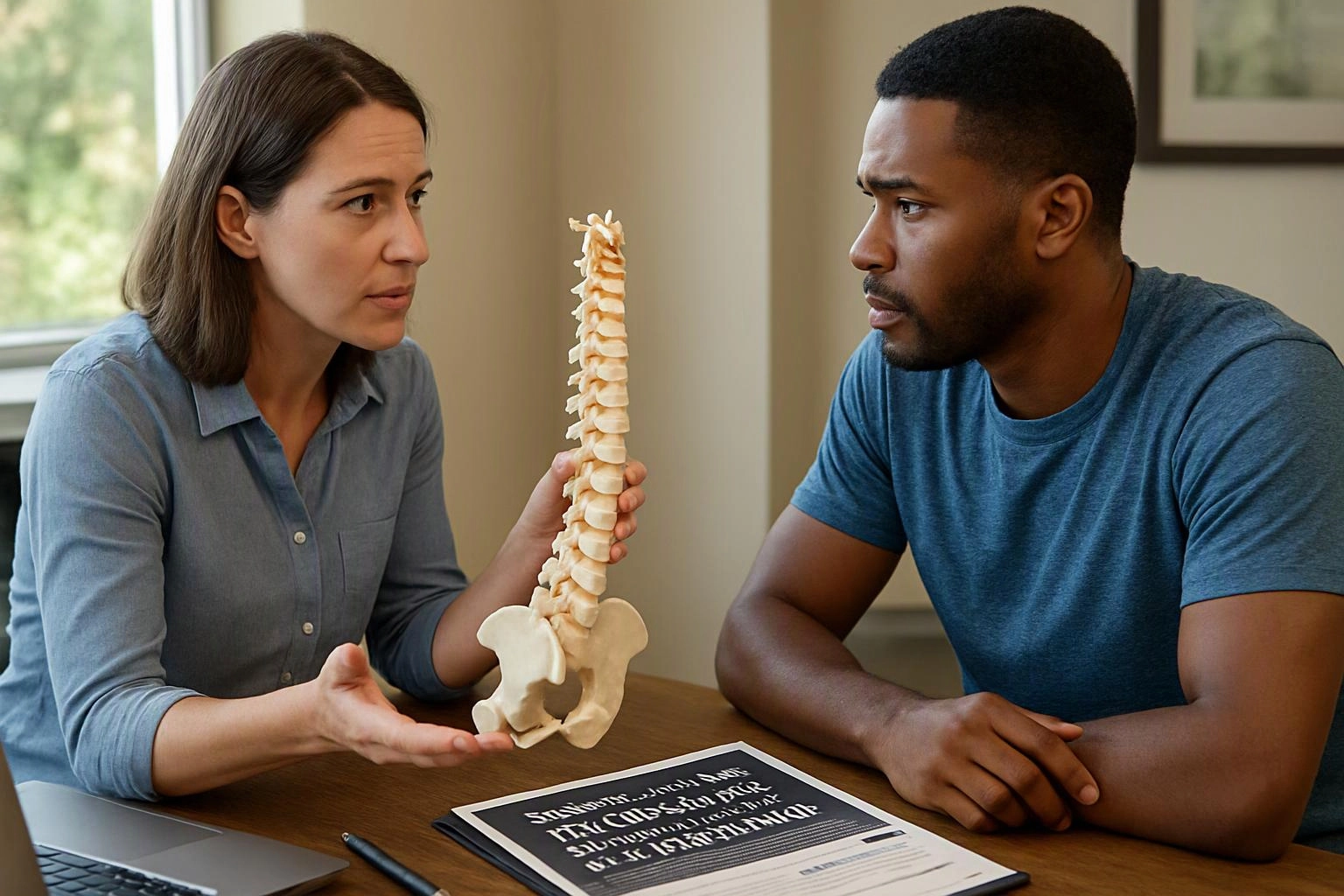
Common signs include restricted range of motion, stiffness, tenderness, and pain after exercise. Joint instability, visible swelling, or bruising can also signal a sprain, strain, contusion, overuse injury, or other physical injury.
Before You Return to Activity, Check These Symptoms
Before returning to activity, check whether the injured area can move, support you, and perform basic tasks without worsening symptoms. Our injury assessment focuses on function, not only on whether pain has briefly eased.
Use these checks as a reason to pause and arrange a sports injury evaluation when the result is concerning.
When Should You Stop Exercising After an Injury?
You should stop exercising when movement causes sharp, increasing, or altered pain, changes your mechanics, or makes the injured area weaker or less stable.
Exercise-related pain that changes your stride, lifting pattern, balance, or joint position can lead to compensation. Continuing through that change may aggravate the original injury or place stress on another area.
Activity modification can mean stopping the painful movement, choosing protected movement, or waiting for an evaluation. Pain after exercise that keeps escalating, returns with less effort, or limits daily movement deserves attention.
What to Do During the First Phase of a Sports Injury
The first phase of a sports injury calls for relative rest, protected movement, symptom monitoring, and medical evaluation when symptoms do not settle or function is limited.
Our team uses the injury pattern and your activity goals to guide the next step. Avoid testing the injury repeatedly because repeated stress can make symptom monitoring less clear.
Red Flags That Need Urgent Medical Attention
Urgent medical attention is appropriate for visible deformity, severe or rapidly worsening symptoms, new loss of sensation or strength, inability to use the body part, or concerning head and neck symptoms.
These signs can indicate a serious physical injury or neurological problem. Stop activity and seek urgent care when any of the following occurs.
How We Evaluate Sports Injury Symptoms
Arrowhead Clinic Chiropractor Newnan evaluates the injury history, symptom behavior, movement, and functional limitations to determine whether Sports Injury Treatment or further medical evaluation is appropriate.
We ask how the injury happened, what changed afterward, and which movements increase or reduce symptoms. Our musculoskeletal assessment may consider joint motion, muscle performance, balance, tenderness, and movement mechanics.
Our team uses these findings to make a referral decision when the presentation requires care outside our scope. When appropriate, we explain how our Sports Injury Treatment can address the injury pattern and support a safe return to activity.
After Evaluation, How Should You Resume Activity?
A return to activity should be graded and guided by symptom response, movement quality, strength, and control. We adjust the plan when a task causes pain, compensation, or renewed swelling.
These steps help connect evaluation findings with practical progress toward training or sport.
Why Symptom-Based Sports Injury Care Matters
Symptom-based sports injury care connects treatment choices to the way the injury behaves during movement. This approach supports injury recovery while helping us identify movement quality problems that may contribute to recurring injury.
Our team may use Corrective Exercise Therapy to improve mobility, strength, control, and movement mechanics. We pair those findings with Sports Injury Treatment that matches your symptoms, activity demands, and recovery goals.
A symptom-first plan also helps identify when activity modification is appropriate and when further medical evaluation is needed. The goal is a safer return to sport, not simply temporary relief during rest.
How Can You Arrange a Sports Injury Evaluation?
You can contact Arrowhead Clinic Chiropractor Newnan to discuss sports injury symptoms and arrange a Free Consultation; our team can explain whether Sports Injury Treatment is appropriate.
Tell us what activity caused the symptoms, how the area feels now, and whether you have pain, swelling, weakness, numbness, tingling, or movement limitation. We use that information to help plan the next step in your injury assessment.
Contact our team about a sports injury evaluation and use the available Free Consultations option to discuss your concerns.
Questions About Sports Injury Symptoms
Can a sports injury get worse if I keep playing?
Yes, a sports injury can worsen when continued play increases pain, changes movement mechanics, or causes weakness and instability. Arrowhead Clinic Chiropractor Newnan evaluates the symptom pattern and helps determine whether activity modification or Sports Injury Treatment is appropriate.
How do you know if a sports injury is serious?
A sports injury may be serious when symptoms rapidly worsen, movement or weight-bearing becomes difficult, or numbness, tingling, loss of strength, deformity, or head and neck symptoms occur. Those warning signs require urgent medical attention.
Should I see a chiropractor for a sports injury?
Yes, a chiropractic sports injury evaluation can help when pain, stiffness, weakness, restricted movement, or instability affects activity and no urgent warning signs are present. We assess the injury and explain whether Sports Injury Treatment or further medical evaluation fits your situation.
What happens during a sports injury evaluation?
A sports injury evaluation includes a review of the injury mechanism, symptom behavior, movement, strength, stability, and functional limits. We use those findings to discuss treatment options, corrective exercise, activity modification, or referral when needed.