Neck Pain and Stiffness: Signs It’s Time to Get Evaluated
Neck pain symptoms that persist, restrict movement, follow an injury, or radiate into an arm should be evaluated; Arrowhead Clinic Chiropractor Newnan checks the symptoms, movement, and warning signs to determine whether chiropractic care is appropriate or whether urgent medical attention is needed.
Get a Free EstimateWhen Should Neck Pain Be Evaluated?
Neck pain should be evaluated when symptoms persist, interfere with movement or daily activity, follow an injury, worsen, or spread into the shoulder or arm. Arrowhead Clinic Chiropractor Newnan reviews the symptom pattern and checks whether a chiropractic evaluation is appropriate.
Neck stiffness can limit your range of motion and make work, sleep, driving, or routine tasks harder. We also pay attention to pain after a neck injury, new shoulder pain, or symptoms that continue despite rest.

What Neck Pain Symptoms Need Urgent Attention?
Neck pain requires urgent medical attention when it occurs with severe trauma, sudden weakness, loss of coordination, severe headache, or other serious neurological symptoms. These warning signs may need emergency medical care before any chiropractic evaluation.
Seek urgent care when symptoms appear suddenly or rapidly worsen. Our team can help explain when a medical referral is more appropriate, but severe warning signs should not wait for a routine appointment.
Before Your Neck Pain Evaluation
Preparing a clear symptom history helps our team understand how your neck pain started and how it affects daily activity. Bring relevant medical records when available, especially after an injury or when another clinician has evaluated you.
These details help connect your symptoms with movement, posture, activity, and prior health concerns.
Why Is It Difficult to Turn Your Head?
Difficulty turning the head can result from muscle tension, irritated joints, inflammation, injury, or restricted movement in the cervical spine. A stiff neck may also develop when posture keeps the neck muscles and cervical joints under repeated stress.
We assess how the cervical spine moves and whether muscle tension, joint irritation, or a recent neck injury helps explain the restricted neck movement. The findings guide whether care is appropriate and which movements should be monitored.
During a Chiropractic Neck Pain Evaluation
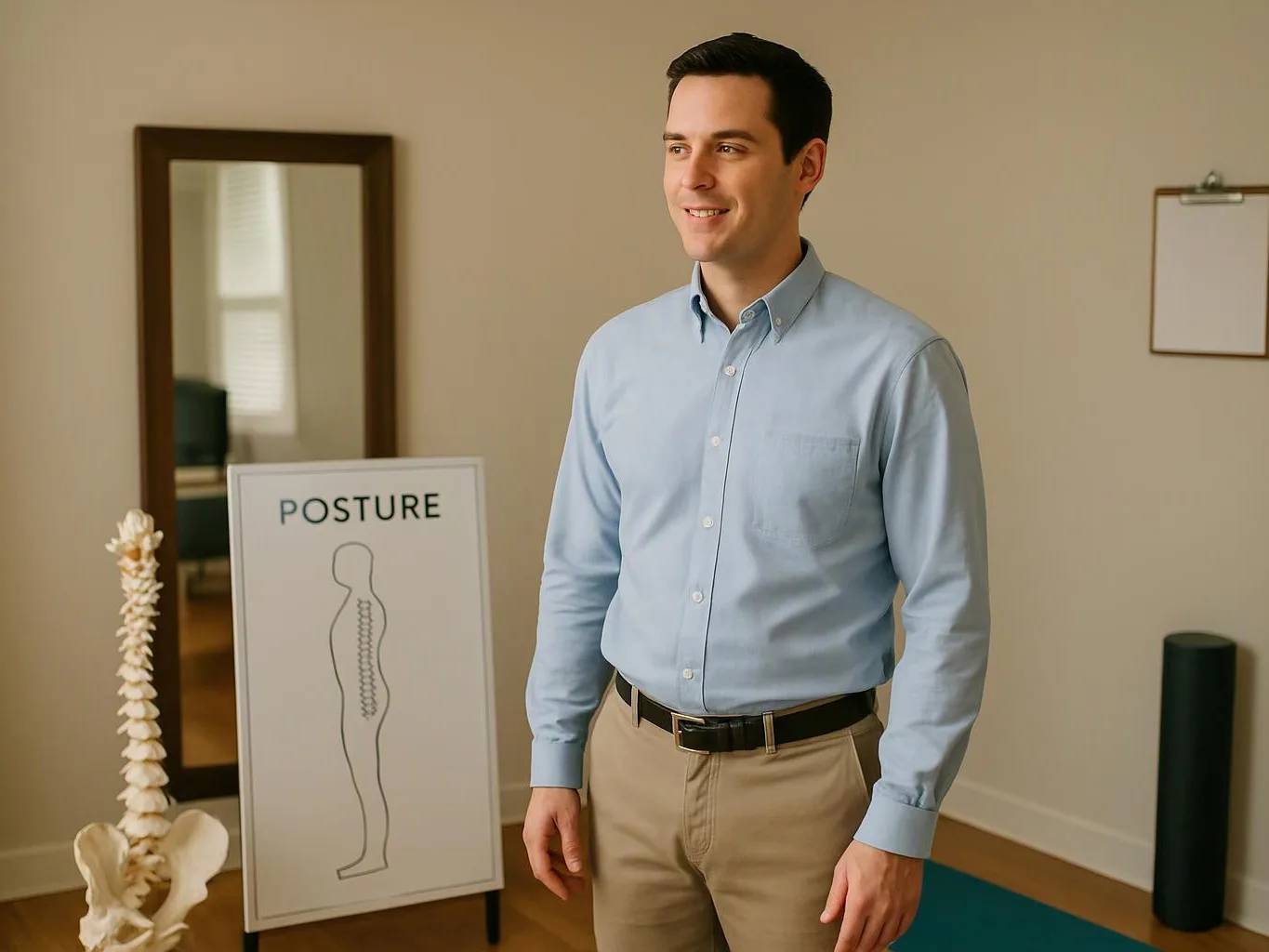
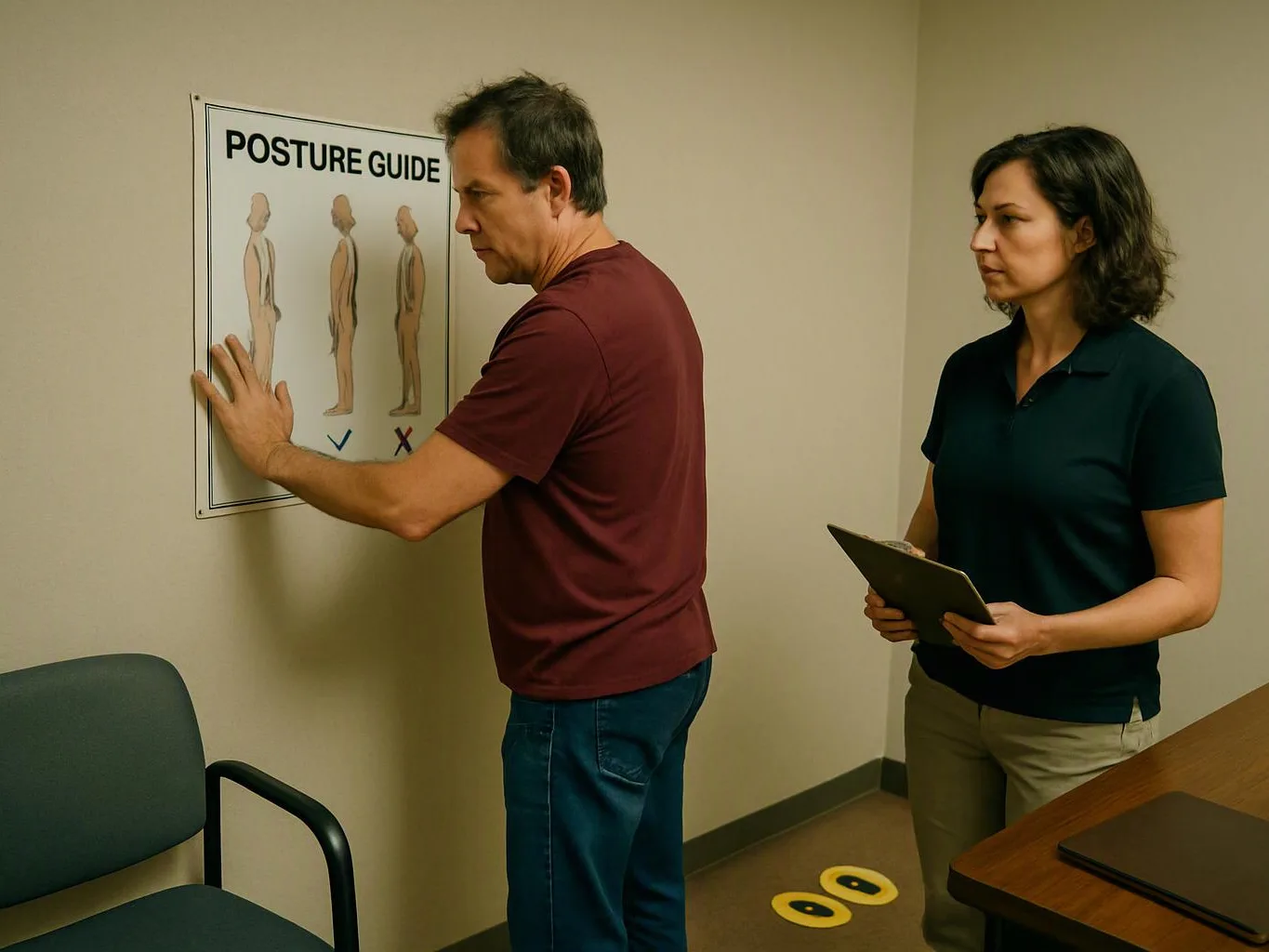
A chiropractic neck pain evaluation uses a physical examination, posture assessment, range-of-motion assessment, and neurological screening to understand your symptoms. Our team reviews the findings before discussing a chiropractic adjustment or another next step.
Each part of the evaluation has a specific purpose and helps us build a treatment plan that matches your symptoms and examination findings.
What Does Neck Pain That Radiates Into the Arm Mean?
Radiating neck pain that travels into an arm can indicate irritation or compression involving a cervical nerve and should be evaluated, especially when numbness, tingling, or weakness is present. Arm pain may occur with neck pain, shoulder pain, or changes in sensation along the arm or hand.
We ask when the radiating arm pain began, which movements affect it, and whether symptoms include numbness, tingling, or weakness. Those findings help determine whether chiropractic care is appropriate or whether a medical referral is needed.
After Your Neck Pain Evaluation
After the evaluation, our team explains the recommended care plan and the findings that support it. The plan may include activity guidance, symptom monitoring, a chiropractic adjustment, follow-up evaluation, or referral.
Follow the guidance provided and report changes in strength, sensation, coordination, or pain. New or worsening neurological symptoms need prompt attention.
How Arrowhead Clinic Chiropractor Newnan Decides Whether Chiropractic Care Fits
Arrowhead Clinic Chiropractor Newnan reviews the symptom pattern, movement findings, injury history, and neurological signs before recommending neck pain treatment, a chiropractic adjustment, monitoring, or medical referral.
Our clinical assessment considers whether the symptoms match a musculoskeletal problem that may respond to chiropractic care. When warning signs suggest another level of care, we explain why referral is the safer next step.
When Should You See a Chiropractor for Neck Pain?
You should see a chiropractor for neck pain when stiffness or restricted movement continues, affects daily activities, follows a non-emergency injury, or occurs without urgent warning signs. Our team evaluates the symptoms before recommending neck pain treatment.
Persistent stiffness, limited movement, or radiating pain deserves attention because the symptom pattern can change the appropriate care path. Seek urgent medical attention first when severe trauma, weakness, loss of coordination, or other neurological symptoms are present.
What Happens When You Contact Arrowhead Clinic Chiropractor Newnan?
Arrowhead Clinic Chiropractor Newnan provides Free Consultations so our team can discuss your symptoms, explain the evaluation process, and outline the next appropriate step. We use the conversation to understand your concerns before care planning begins.
You can share where the pain occurs, what makes it worse, whether an injury occurred, and whether symptoms reach an arm. Contact us through the appointment consultation link to begin the discussion.
Request an appointment consultation
Get a Free EstimateQuestions About Neck Pain and Stiffness
Can a chiropractor help with a stiff neck?
Yes, a chiropractor can evaluate a stiff neck when urgent warning signs are not present and determine whether chiropractic care may help. Arrowhead Clinic Chiropractor Newnan reviews movement, muscle tension, joint irritation, posture, and symptom history before recommending care.
Should I see a chiropractor after a neck injury?
Yes, you should arrange an evaluation after a non-emergency neck injury when pain, stiffness, or limited movement continues. Severe trauma, sudden weakness, loss of coordination, or other neurological symptoms require urgent medical attention first.
Can poor posture cause neck pain and stiffness?
Yes, poor posture can contribute to neck pain and stiffness by placing repeated stress on the neck muscles and cervical joints. An evaluation helps identify how posture and movement relate to your symptoms.
What should I avoid doing when neck pain radiates into my arm?
When neck pain radiates into an arm, avoid activities or positions that clearly increase the pain, numbness, tingling, or weakness until you are evaluated. Contact our team for guidance, and seek urgent medical attention when weakness or other serious neurological symptoms appear.
Related Resources
Chiropractic Visit Cost Factors: Initial Evaluation vs Follow-Up Care
Compared ToUsing Insurance or Paying Out of Pocket for Chiropractic Care
Compared ToPaying for Chiropractic Care After a Car Accident: Coverage and Cost Questions
Brand vs BrandChoosing a Chiropractor in Newnan: What to Compare Before Booking