Understanding Thompson Technique

Thompson Technique is a chiropractic approach designed to provide precise spinal adjustments with minimal force. Unlike traditional manual adjustments that rely on quick thrusts, this method uses a segmented drop-table. Each section of the table can be raised slightly and then released, allowing gravity to assist in the adjustment. This design helps reduce the amount of pressure needed, making it a preferred option for patients who may be uncomfortable with more forceful techniques.
The technique was developed by Dr. J. Clay Thompson, who sought a way to improve the efficiency and comfort of chiropractic care. By incorporating the drop-table, practitioners can target specific areas of the spine while the patient remains relaxed. The slight drop of the table creates a gentle but effective correction, which is particularly useful for individuals with acute pain, sensitivity. Or conditions like osteoporosis where excessive force could be risky.
How Thompson Technique Works?
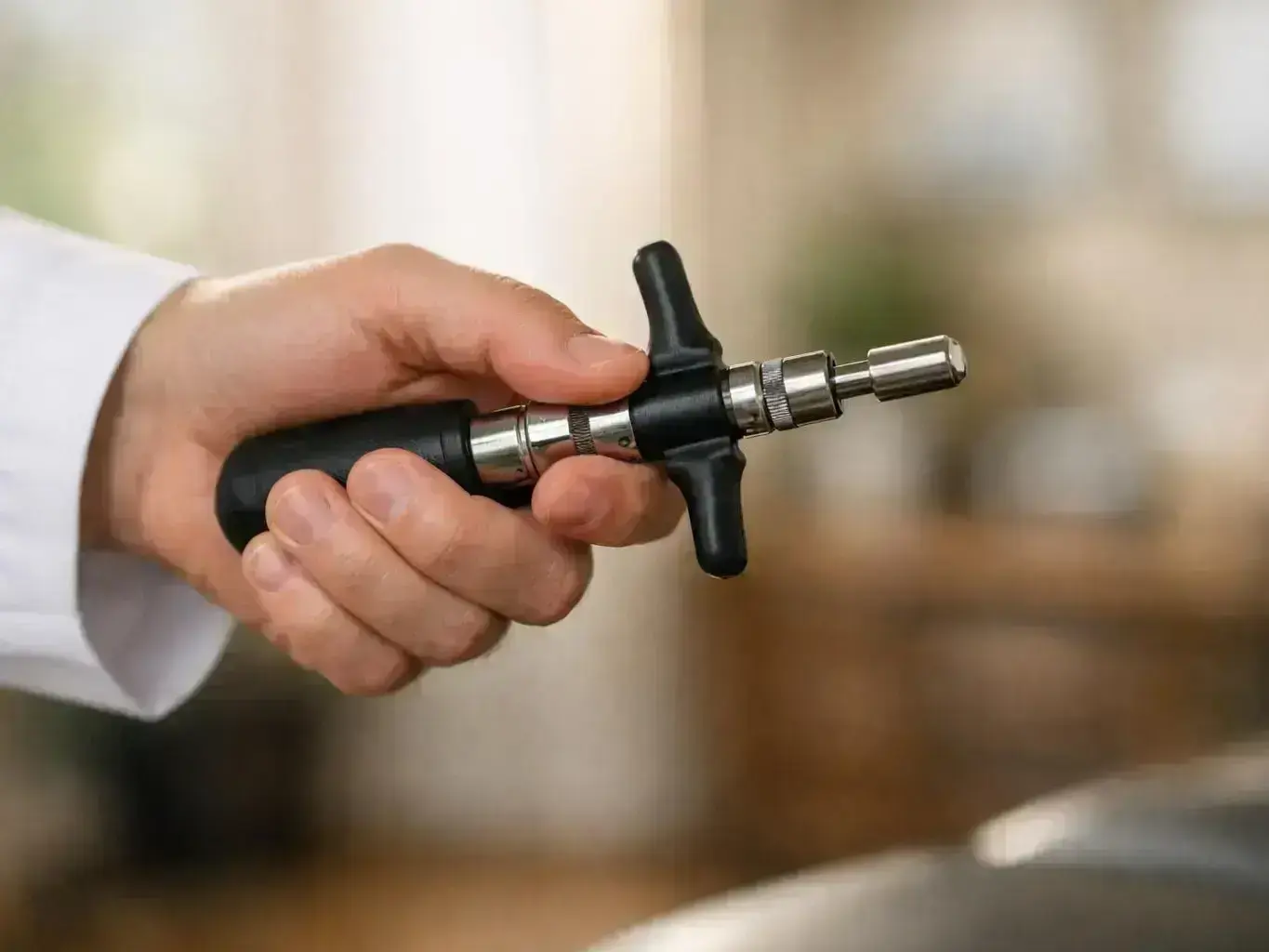
Thompson Technique relies on a combination of precise positioning and the mechanics of the drop-table. Before the adjustment, the chiropractor performs a thorough assessment, often using palpation or motion analysis, to identify misaligned vertebrae. Once the target area is located, the patient is positioned on the table. And the relevant section is raised slightly. The chiropractor then applies a quick but controlled thrust to the spine, triggering the table to drop just a fraction of an inch. This drop amplifies the adjustment while reducing the force required from the practitioner.
The table’s design is central to the technique’s effectiveness. Each segment corresponds to a specific region of the spine, such as the cervical, thoracic. Or lumbar areas. The drop mechanism ensures that the adjustment is localized and controlled, minimizing unnecessary movement in surrounding areas. This precision makes Thompson Technique particularly useful for addressing subluxations. Or minor spinal misalignments, without causing additional strain or discomfort.
Why Thompson Technique Matters?

Thompson Technique offers a gentler alternative to traditional chiropractic adjustments, making it accessible to a broader range of patients. For individuals who experience anxiety about manual adjustments or have conditions that require careful handling, this method provides a safe and effective option. The reduced force also lowers the risk of muscle soreness or stiffness after treatment, which can be a concern for some patients undergoing more forceful techniques.
Beyond patient comfort, Thompson Technique is valued for its precision. The drop-table allows chiropractors to focus on specific vertebrae without over-manipulating adjacent areas. This targeted approach can be particularly beneficial for patients with chronic conditions, such as disc herniations or spinal stenosis, where excessive force could aggravate symptoms. And the technique’s reliance on gravity rather than brute force makes it a sustainable option for practitioners, reducing the physical strain associated with repeated manual adjustments.
When Thompson Technique Matters Most?
Thompson Technique is most beneficial in situations where gentle, low-force adjustments are preferred or necessary. Patients with acute pain, such as those recovering from injuries or surgeries, often respond well to this method because it minimizes discomfort during treatment. It's also commonly used for individuals with conditions like osteoporosis, arthritis. Or degenerative disc disease, where excessive force could pose risks. Pediatric and geriatric patients may also benefit from Thompson Technique due to its gentle nature.
In addition to patient-specific needs, Thompson Technique is frequently employed in cases where traditional adjustments have proven ineffective or uncomfortable. For example, patients who experience muscle tension or resistance during manual adjustments may find relief with this method. The technique is also useful for chiropractors who treat a high volume of patients, as the drop-table reduces the physical demand on the practitioner while maintaining effectiveness. Overall, Thompson Technique serves as a versatile tool in chiropractic care, offering a balance of precision, safety. And patient comfort.