Understanding Sacroiliac Joint Dysfunction
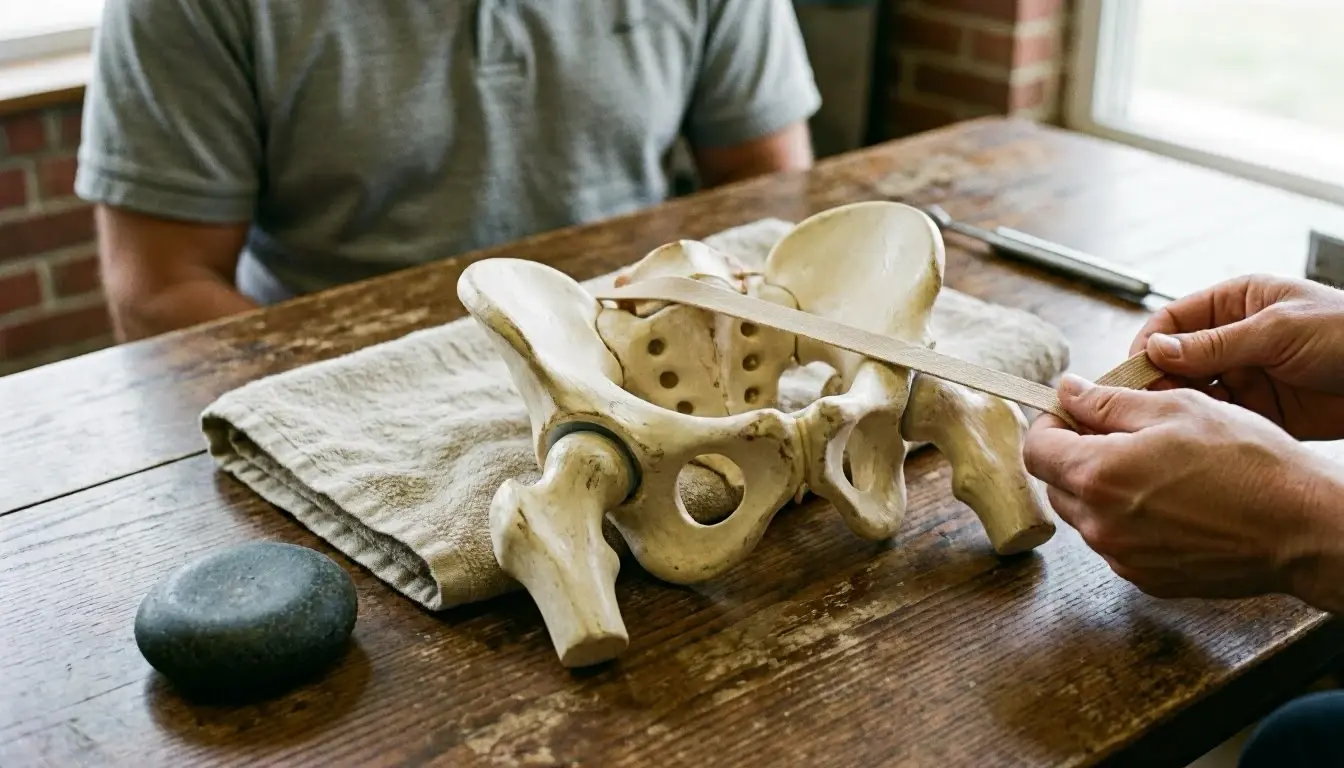
The SI joints are two small joints. They sit where your spine meets your pelvis. The spine's bottom has a bone shaped like a triangle.
These joints work like shock absorbers. They help move weight from your upper body to your legs. When they don't work right, you can feel pain.
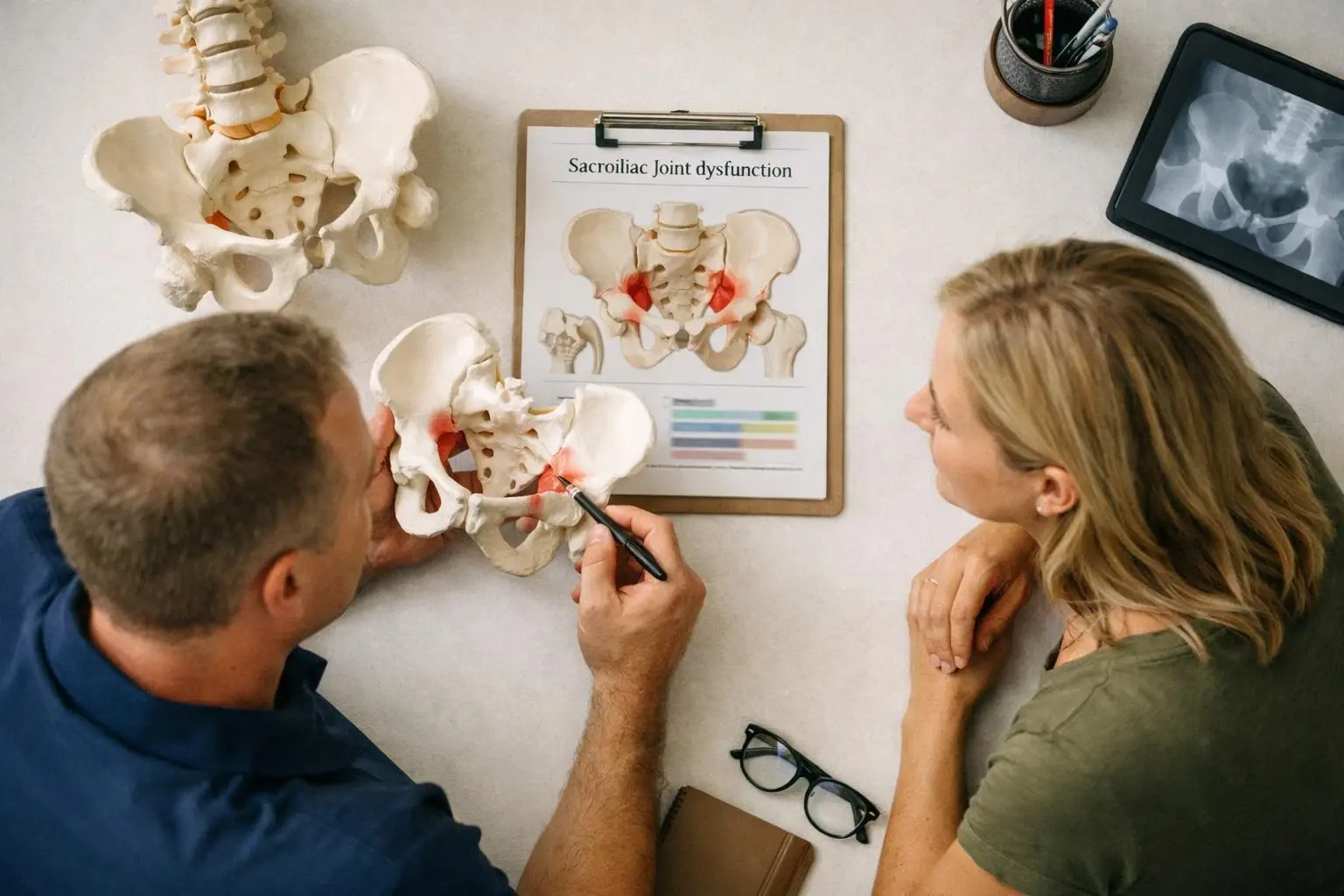
This problem is called Sacroiliac Joint Dysfunction. It happens when the joints move too much or too little. This causes swelling, stiffness. Or pain.
You may feel pain in your lower back. It can also hurt in your hips or butt. The pain might spread down your legs.
This makes sitting, standing. Or walking hard. You won't feel comfortable doing these things.
Many people have this problem. But doctors often miss it. The signs can look like other back issues.
Sciatica is one of those issues. It happens when a nerve gets squeezed. But SI joint pain comes from the joint itself.
Climbing stairs or running can make pain worse. Standing too long can also hurt more. Sitting for a long time can cause pain too.
Pain can flare up when you stand after sitting. Knowing the difference helps find the right fix.
How Sacroiliac Joint Dysfunction Works?
Normally, SI joints move a little. They absorb shock and help you move. But when they get sore, they can cause problems.
Sometimes they move too much. This is called hypermobile. It can happen if ligaments get loose.
Loose ligaments can happen during pregnancy. They can also happen after an injury. This makes the joint move too much.
Other times, the joints don't move enough. This is called hypomobile. It can happen from arthritis or sitting too long.
Too much sitting can make joints stiff. They lose their normal movement. Stress that keeps happening can also cause this.
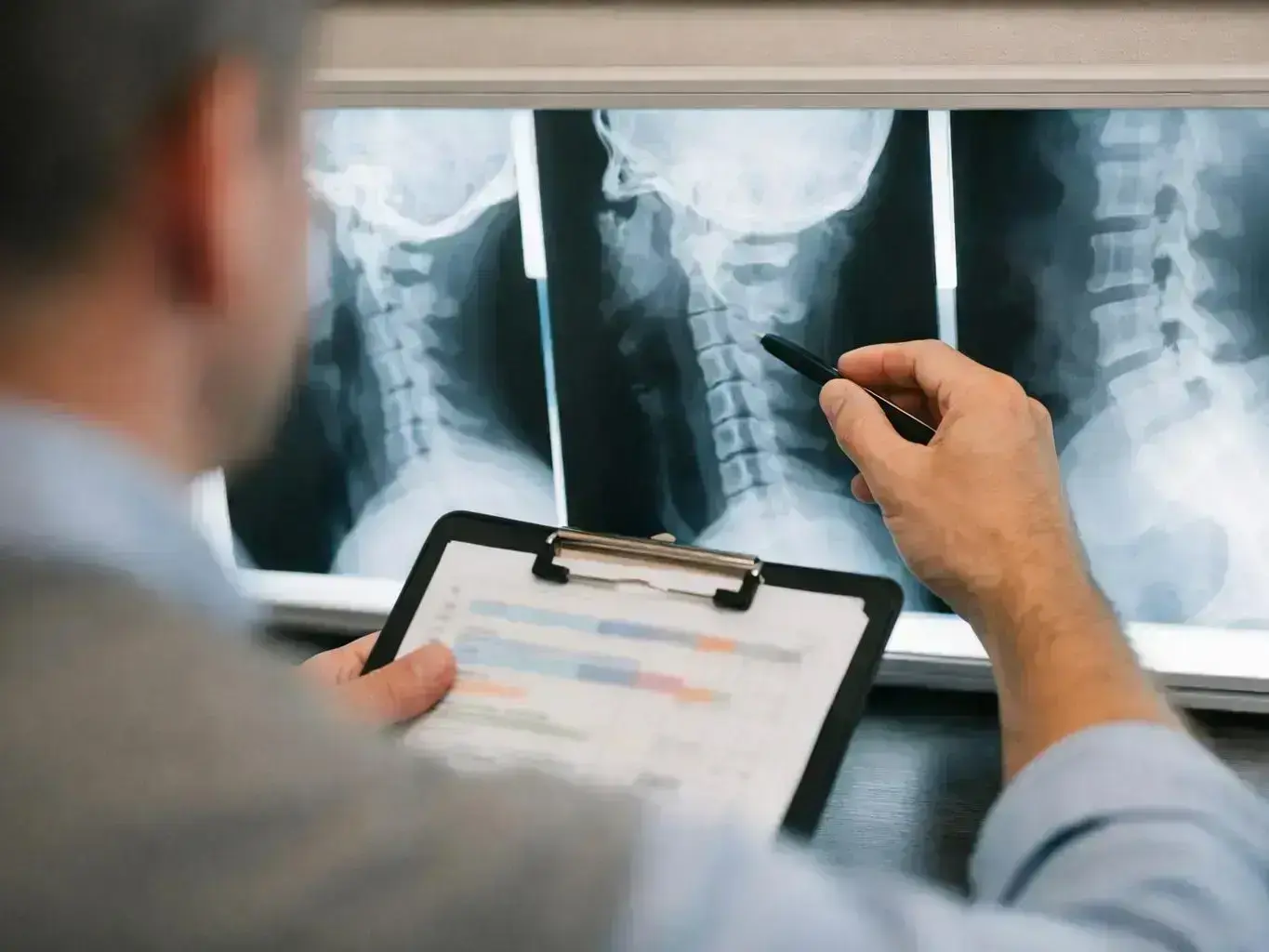
To find SI joint problems, doctors do exams. They ask about your health history. They might use X-rays or MRIs (pictures of your body).
Chiropractors check your joints. They press on them or ask you to move. This helps see if the joint causes pain.
These tests don't hurt. They give clues about what's wrong. This helps plan your treatment.
Treatment helps joints move right again. It also cuts down swelling. Chiropractors can adjust your joints.
Physical therapy and exercises help too. They make joints stronger. They help you move better.
Sometimes, you might need a belt or brace. This keeps joints from moving too much. It helps them heal.
Changing how you live can also help. Avoid things that make pain worse. Sit and stand with good posture.
Why Sacroiliac Joint Dysfunction Matters?
SI joint pain can make life hard. It can hurt all the time. It can make moving tough.
You might find it hard to walk. Sitting too long can hurt. Even sleeping might not feel good.
If you don't treat it, problems can grow. Your muscles might not work right. You might move in strange ways.
This can cause other issues. You might stand or sit poorly. You might move less.
Pain that doesn't stop can stress you out. It can make you feel bad inside.
Treating it early stops bigger problems. It helps you feel better. You can get back to normal.
A good fix makes joints work right. It cuts pain. You can do your daily tasks again.
For athletes or workers, this is key. They need to move well. Fixing this keeps them safe.
When Sacroiliac Joint Dysfunction Matters Most?
SI joint pain can start after an injury. A fall or car crash can cause it. The joint might get hurt or move wrong.
Pregnant women often get this pain. Their body changes make ligaments loose. This can make joints move too much.
People with arthritis can have this problem too. Their joints wear down over time. This can cause pain.
Some jobs or hobbies can cause this pain. Athletes and builders might get it. They stress their back and hips a lot.
People who sit too long can also get it. Their joints get stiff. This can lead to pain.
Know the signs early. Pain in your back or hips is one. Stiffness or trouble moving is another.
Getting help fast stops worse problems. It helps you feel better. Your life will be happier.