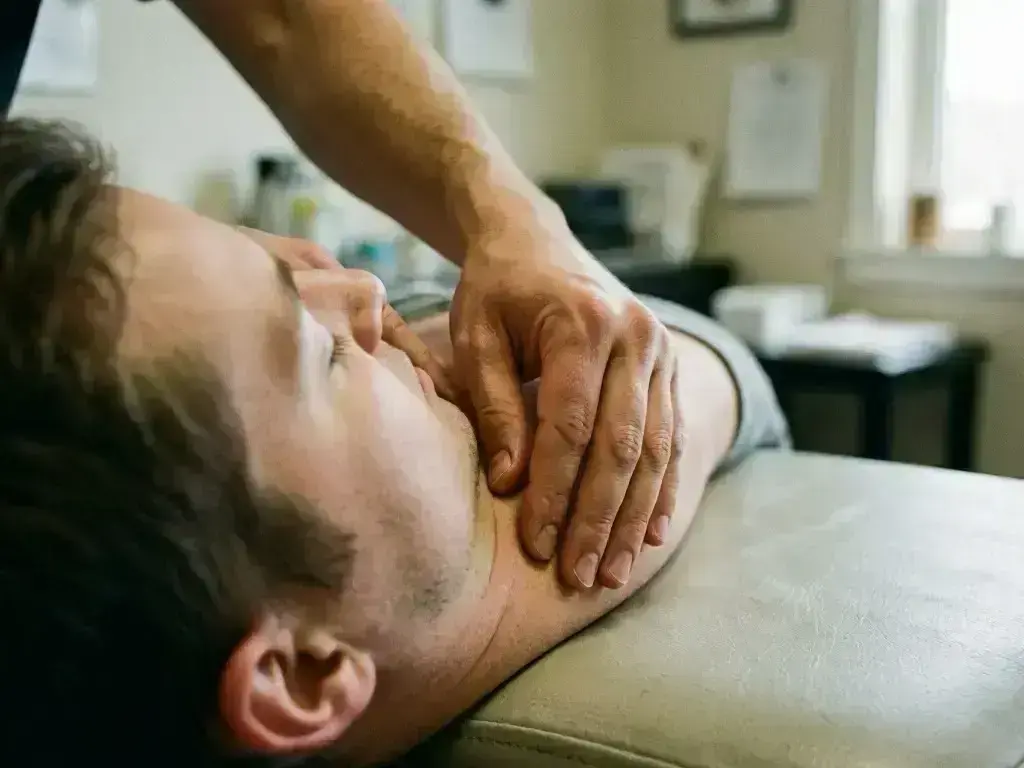
Understanding Graston Technique
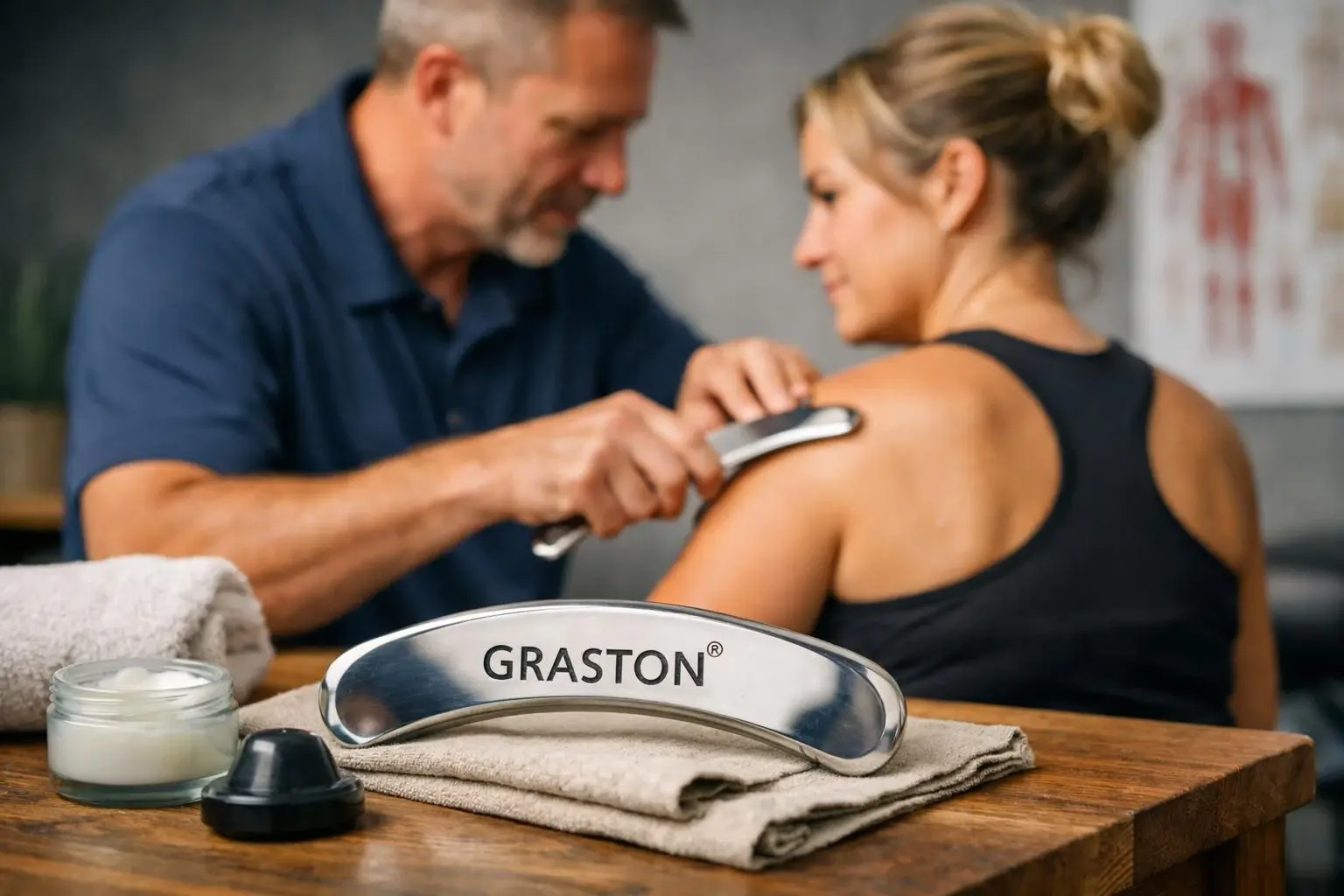
Graston Technique is a specialized approach to treating soft tissue injuries and restrictions. Unlike traditional massage or manual manipulation, it relies on ergonomic stainless-steel instruments to scan and treat areas of the body where muscles, tendons. Or ligaments have become tight, knotted. Or scarred. These tools allow practitioners to detect subtle abnormalities in tissue texture that might not be noticeable with bare hands. The technique is grounded in the principle that controlled microtrauma to affected tissues stimulates a healing response, increasing blood flow and breaking down adhesions that limit movement.
Patients often seek Graston Technique for conditions like chronic back pain, tendonitis, plantar fasciitis. Or muscle strains from sports or repetitive activities. The method is not intended to replace chiropractic adjustments or other therapies but works alongside them. For example, a runner with Achilles tendonitis might receive Graston Technique to the calf and heel, followed by stretching and strengthening exercises to restore full function. While the instruments may look intimidating, they're designed to glide smoothly over the skin and target only the problematic tissues.
How Graston Technique Works?
The process begins with a thorough assessment to identify areas of restricted movement or pain. The practitioner uses the Graston tools to scan the skin, feeling for gritty or rough textures that indicate scar tissue or fascial restrictions. Once located, the tools are used to apply controlled pressure and friction to the affected area, breaking down adhesions and stimulating a local inflammatory response. This inflammation is a natural part of healing, signaling the body to send nutrients and repair cells to the area. Sessions typically last 10 to 15 minutes and are often followed by ice application to manage any temporary soreness.
Graston Technique is not a one-time fix. Most patients require a series of treatments, usually spaced a few days apart, to achieve lasting results. Between sessions, patients are often given specific stretches or exercises to maintain progress. For instance, someone recovering from a shoulder injury might perform gentle range-of-motion exercises at home to complement the in-office treatments. The number of sessions needed varies depending on the severity of the condition, the patient’s overall health. And how well they follow post-treatment care instructions. While some people feel relief after just one session, others may need several weeks of consistent treatment.
Why Graston Technique Matters?
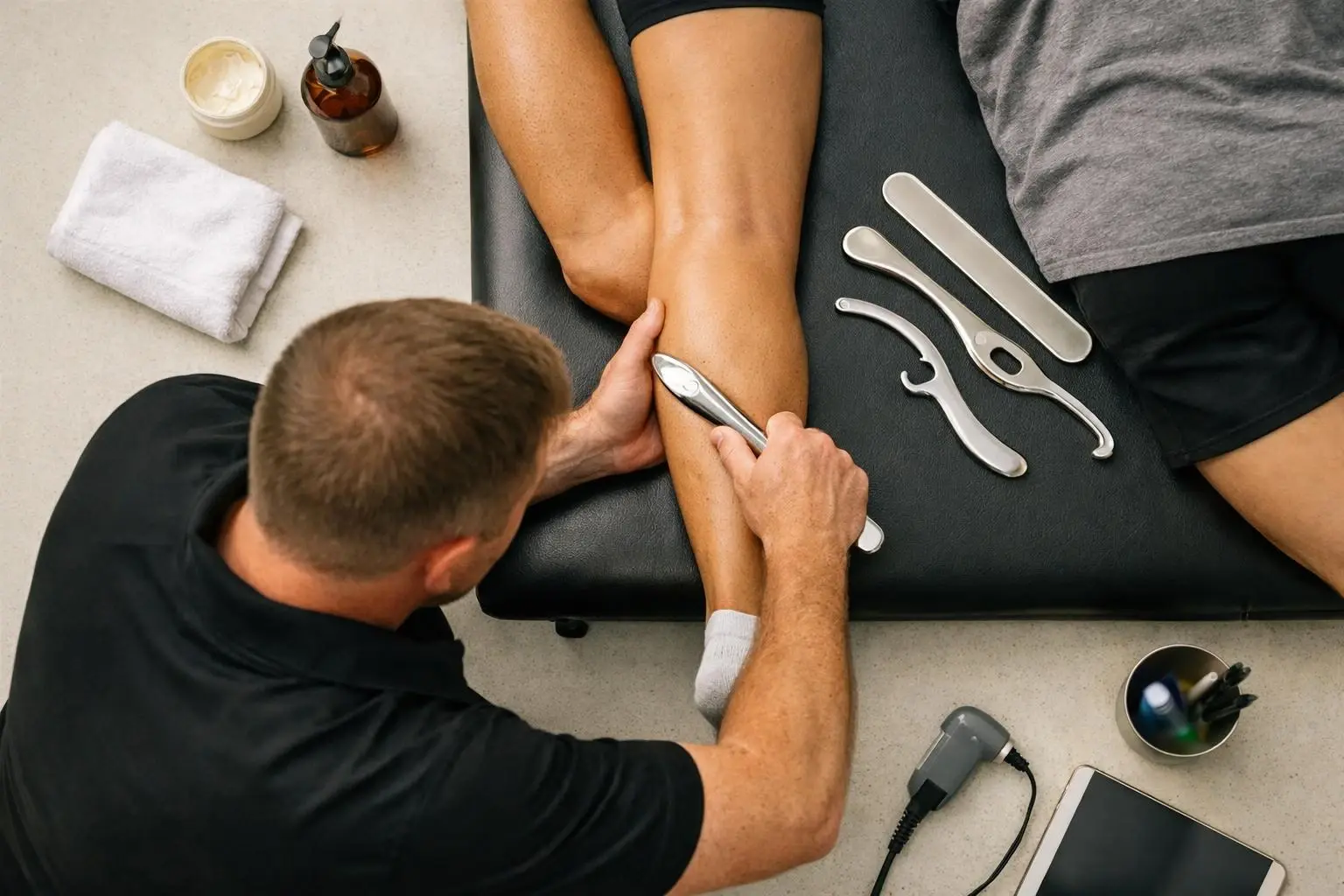
Graston Technique offers a targeted way to address soft tissue problems that often resist traditional treatments. Many patients struggle with chronic pain or stiffness that doesn’t improve with rest, medication. Or generic stretching routines. By directly breaking down adhesions and scar tissue, Graston Technique can restore normal tissue function and reduce pain more efficiently. That means particularly valuable for athletes or active individuals who need to return to their activities quickly. For example, a tennis player with a stiff shoulder might regain full range of motion faster with Graston Technique than with rest alone, allowing them to get back to their sport with less downtime.
Beyond sports injuries, Graston Technique can also help people recovering from surgeries, car accidents. Or repetitive strain injuries. Scar tissue forms naturally as the body heals. But if it builds up excessively, it can limit movement and cause discomfort. Graston Technique helps remodel this tissue, making it more flexible and less restrictive. This can be especially beneficial for patients who have tried other therapies without success, offering a new avenue for relief when other methods fall short.
When Graston Technique Matters Most?
Graston Technique is most effective for conditions involving soft tissue restrictions, such as muscle strains, ligament sprains. Or tendonitis. Common scenarios where it’s used include post-surgical recovery, where scar tissue can form around incisions. Or after sports injuries like sprained ankles or pulled hamstrings. It’s also helpful for chronic conditions like carpal tunnel syndrome, plantar fasciitis. Or rotator cuff injuries, where repetitive use or overuse has led to tightness and pain. Patients who have tried other treatments like massage or ultrasound without relief often find Graston Technique to be a game-changer.
But Graston Technique isn’t suitable for everyone. It’s generally avoided in areas with open wounds, infections. Or fractures. Patients with certain medical conditions, such as blood clotting disorders or severe osteoporosis, may need to avoid it or proceed with caution. A qualified practitioner will conduct a thorough evaluation before starting treatment to ensure it’s safe and appropriate for the patient’s specific needs. For those who are good candidates, Graston Technique can be a powerful tool for overcoming stubborn soft tissue problems and regaining pain-free movement.