Understanding Cold Laser Therapy
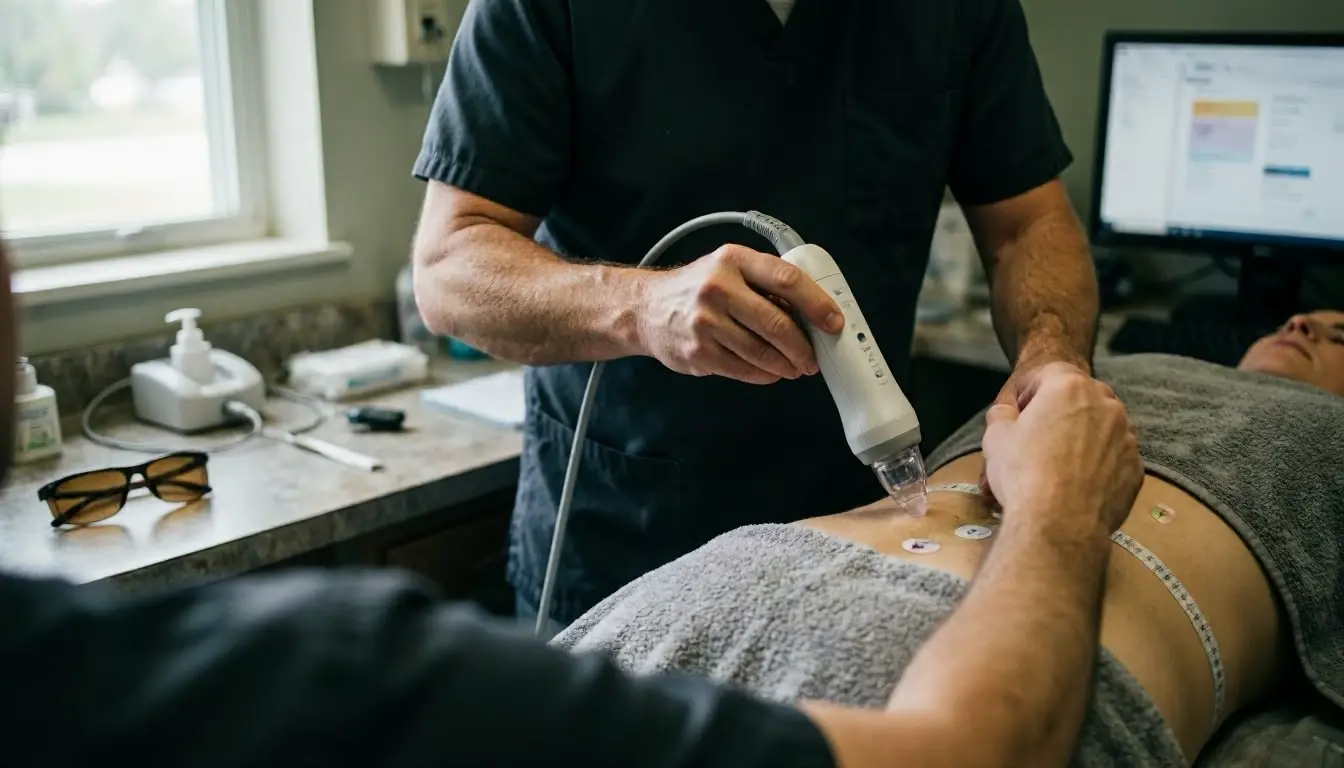
Cold Laser Therapy, also known as low-level laser therapy (LLLT), is a medical treatment that uses specific wavelengths of light to interact with tissue. Unlike surgical lasers, Cold Laser Therapy doesn't generate heat, which is why it's called "cold." The light energy penetrates the skin and is absorbed by cells, triggering a series of reactions that promote healing and reduce pain and inflammation. This therapy is widely used in chiropractic care, physical therapy. And sports medicine to help patients recover from injuries without the need for medication or invasive procedures.
The concept of using light for healing is not new. Cold Laser Therapy was developed in the 1960s and has since been studied extensively in clinical settings. It is considered safe and effective for a variety of conditions, including sprains, strains, tendonitis, back pain, neck pain. And arthritis. Because it does not involve incisions or heat, there is no downtime. And patients can resume their normal activities immediately after treatment. This makes Cold Laser Therapy an attractive option for those seeking relief from pain and inflammation without the risks associated with surgery or long-term medication use.
How Cold Laser Therapy Works?
Cold Laser Therapy works by delivering light energy to the body’s cells. The light is absorbed by mitochondria, the energy-producing components of cells, which then increase the production of adenosine triphosphate (ATP). ATP is the fuel that cells use to repair and regenerate themselves. By boosting ATP production, Cold Laser Therapy accelerates the healing process, reduces inflammation. And alleviates pain. The treatment is typically applied directly to the skin over the affected area. And the light penetrates to a depth of about 2 to 5 centimeters, depending on the wavelength used.
The therapy is usually administered in sessions lasting between 5 to 20 minutes, depending on the size of the area being treated and the condition being addressed. Most patients require multiple sessions to achieve optimal results, often ranging from 6 to 12 treatments. The frequency of sessions can vary, with some patients receiving treatment two to three times per week. Cold Laser Therapy devices come in different forms, including handheld units used by practitioners and larger machines designed for broader treatment areas. The wavelength of the light is carefully selected to target specific tissues and conditions, ensuring the therapy is both safe and effective.
Why Cold Laser Therapy Matters?
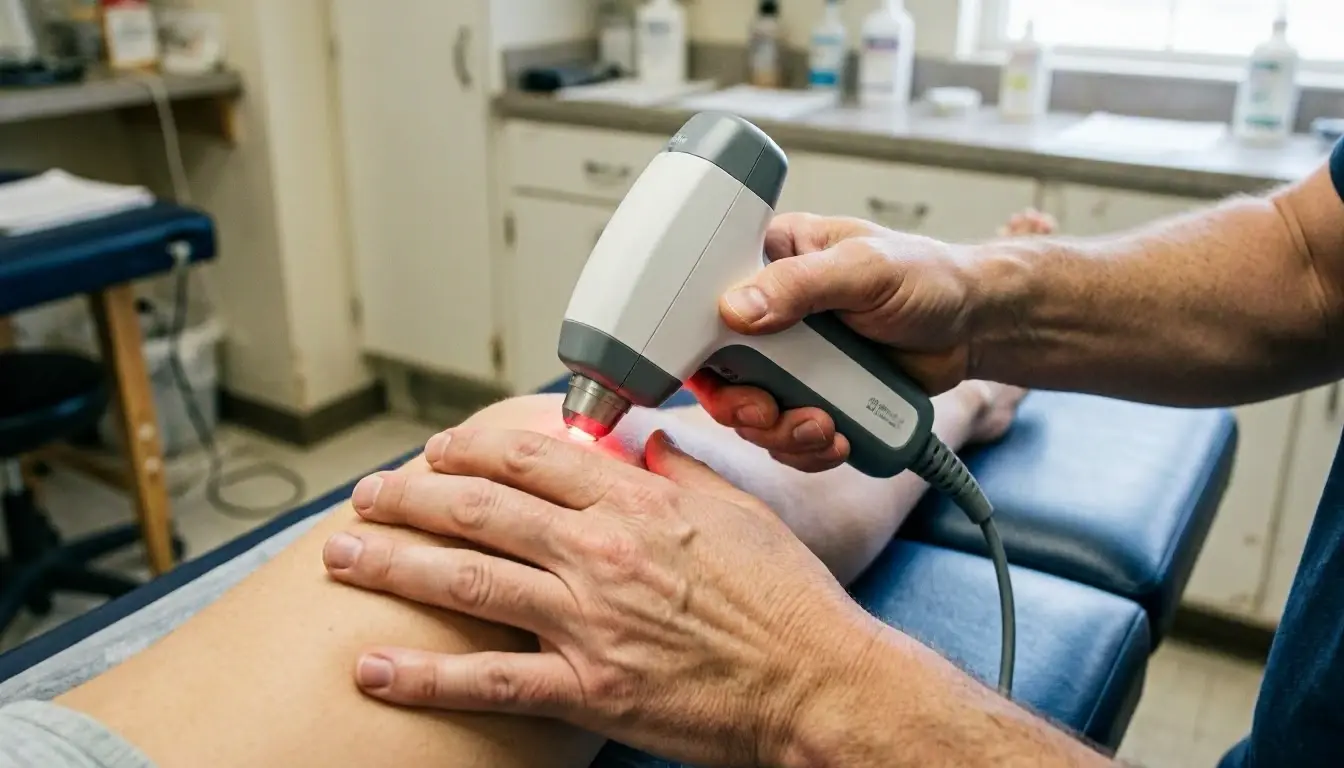
Cold Laser Therapy matters because it offers a safe, non-invasive alternative to traditional pain management methods. Many patients seek relief from pain and inflammation without relying on prescription medications, which can have side effects or lead to dependency. Cold Laser Therapy provides a drug-free option that can be used alone or in combination with other treatments, such as chiropractic adjustments, physical therapy. Or massage. This versatility makes it a valuable tool for healthcare providers looking to offer full care to their patients.
Another reason Cold Laser Therapy is significant is its ability to promote healing at the cellular level. Unlike pain medications that only mask symptoms, Cold Laser Therapy addresses the underlying cause of pain by stimulating the body’s natural healing processes. This can lead to longer-lasting relief and improved function, particularly for patients with chronic conditions like arthritis or repetitive strain injuries. And Cold Laser Therapy is well-tolerated by most patients, with few reported side effects. This makes it a suitable option for a wide range of individuals, including those who may not be candidates for surgery or other invasive treatments.
When Cold Laser Therapy Matters Most?
Cold Laser Therapy is particularly important for individuals dealing with acute injuries or chronic pain conditions that have not responded to other treatments. For example, athletes with sprains, strains. Or tendonitis may benefit from Cold Laser Therapy to speed up recovery and reduce downtime. Similarly, patients with arthritis or back pain may find relief from stiffness and inflammation, allowing them to maintain mobility and quality of life. Cold Laser Therapy is also useful for individuals recovering from surgery, as it can help reduce swelling and promote tissue repair.
A practical next step is In chiropractic care, Cold Laser Therapy is often used to complement spinal adjustments and other manual therapies. For instance, a patient receiving treatment for a herniated disc may undergo Cold Laser Therapy to reduce inflammation around the affected nerve, enhancing the effectiveness of the adjustment. The therapy is also beneficial for patients who are sensitive to touch or pressure, as it provides pain relief without the need for physical manipulation. Because Cold Laser Therapy is non-invasive and painless, it is an excellent option for children, the elderly. And individuals with conditions that make traditional treatments uncomfortable or risky.