Understanding Chiropractic School

Chiropractic School refers to specialized graduate programs that educate students in the principles and practices of chiropractic care. These institutions provide full training in anatomy, physiology, neurology, radiology. And clinical diagnosis, with a strong emphasis on musculoskeletal health and spinal manipulation. Unlike medical schools, chiropractic programs focus on non-surgical, drug-free approaches to healthcare, preparing students to treat conditions related to the spine, joints. And nervous system.
Chiropractic education is regulated to ensure consistency and quality across programs. In the United States, the Council on Chiropractic Education (CCE) serves as the accrediting body, setting standards for curriculum, faculty qualifications. And clinical training. Prospective students typically complete prerequisite undergraduate coursework in sciences before applying to a chiropractic program, which generally spans 3.5 to 4 years of full-time study. The curriculum blends classroom instruction with hands-on clinical experience, allowing students to develop skills in patient assessment, diagnosis. And treatment.
How Chiropractic School Works?
Chiropractic School programs follow a structured curriculum designed to build competency in both theoretical knowledge and practical skills. The first two years typically focus on foundational sciences, including gross anatomy, biochemistry, microbiology. And pathology. Students also study chiropractic-specific subjects such as spinal biomechanics, adjustment techniques. And diagnostic imaging. Coursework is often delivered through lectures, laboratory sessions. And small-group discussions, ensuring students understand both the scientific principles and their clinical applications.
The latter portion of the program shifts to clinical training, where students work under supervision in outpatient clinics. During this phase, they evaluate real patients, develop treatment plans. And perform chiropractic adjustments. This practical local experience is critical for building confidence and proficiency in patient care. And students learn about practice management, ethics. And professional communication, preparing them for independent practice after graduation. To earn their degree, students must complete a set number of credit hours, pass full exams. And demonstrate clinical competency.
Why Chiropractic School Matters?
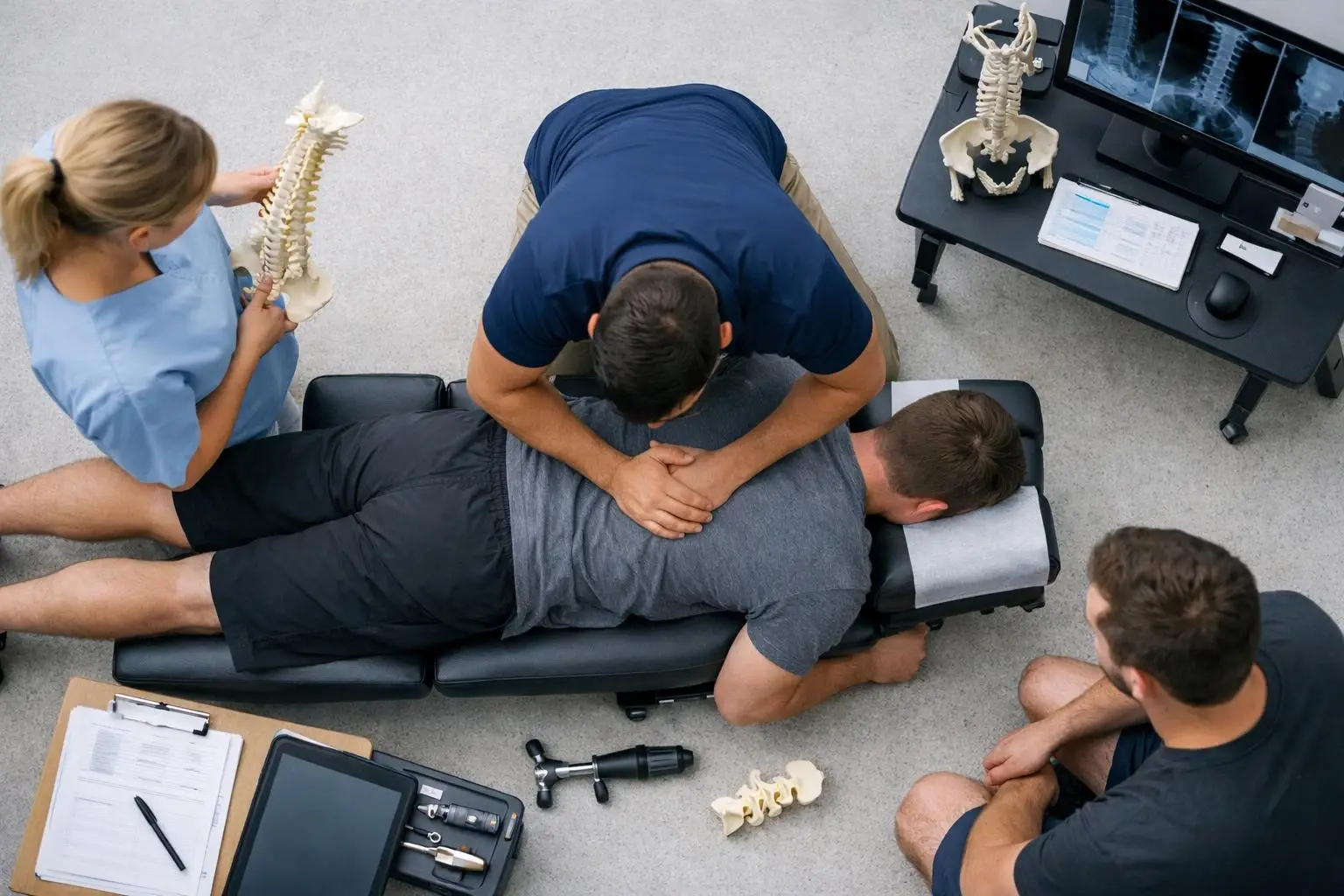
Chiropractic School plays a vital role in ensuring that practitioners are qualified to provide safe and effective care. Proper education equips future chiropractors with the knowledge to diagnose conditions accurately, recognize red flags that may require medical referral. And apply evidence-based treatments. Without rigorous training, patients could be at risk of misdiagnosis or improper care, particularly for conditions involving the spine or nervous system. Accredited programs also emphasize ethical standards and patient-centered care, building trust in the profession.
For students, graduating from an accredited chiropractic school is a prerequisite for licensure. State licensing boards require proof of education from a CCE-accredited institution, along with passing scores on the National Board of Chiropractic Examiners (NBCE) exams. This regulatory framework ensures that only qualified individuals can practice, protecting public health and maintaining professional standards. And chiropractic education continues beyond school through continuing education requirements, ensuring practitioners stay current with advancements in the field.
When Chiropractic School Matters Most?
Chiropractic School becomes particularly important for individuals considering a career in chiropractic care. Prospective students must evaluate programs based on accreditation, curriculum, clinical opportunities. And outcomes such as board exam pass rates and job placement. Choosing an unaccredited or substandard program can limit licensure options and career prospects, making research essential before enrollment.
For patients, understanding the educational background of their chiropractor can provide confidence in the care they receive. Chiropractors who graduate from accredited schools have undergone standardized training, which translates to consistent, high-quality care. That means especially relevant for patients with complex conditions, such as chronic back pain, disc injuries. Or nerve-related issues, where proper diagnosis and treatment are critical. In regions like Newnan, GA, where chiropractic care is a common choice for musculoskeletal health, patients benefit from knowing their practitioner has completed a rigorous education.