Understanding Atlas Orthogonal

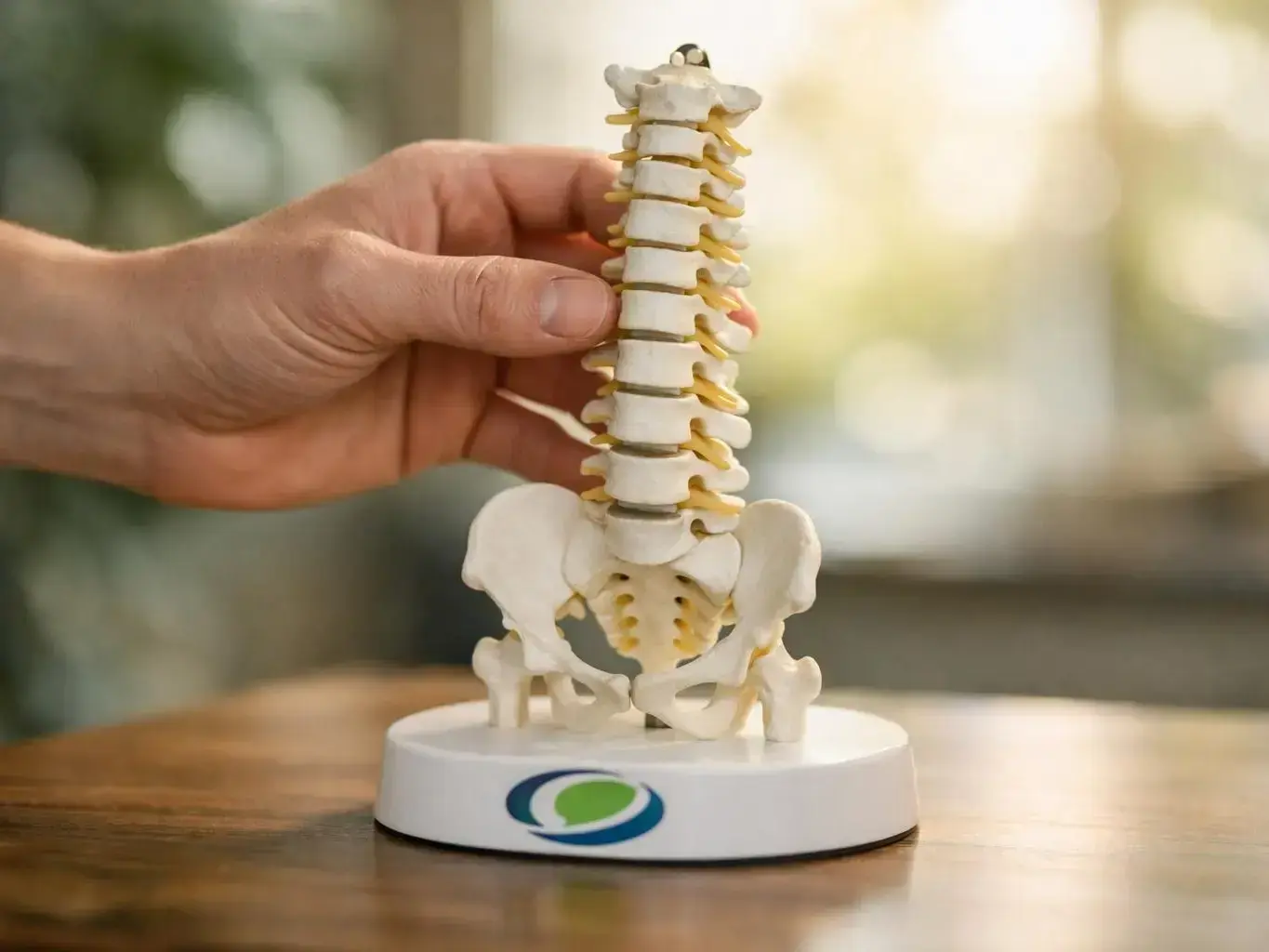
Atlas Orthogonal is a chiropractic method designed to correct misalignments in the atlas vertebra, which is the first cervical bone located at the base of the skull. This bone plays a critical role in supporting the head and protecting the brainstem, making its proper alignment essential for overall spinal health. Unlike traditional chiropractic adjustments that may involve manual manipulation or audible cracking, Atlas Orthogonal relies on a specialized instrument to deliver a precise, low-force correction. This approach is particularly useful for patients who prefer a gentler technique or have conditions that make manual adjustments uncomfortable.
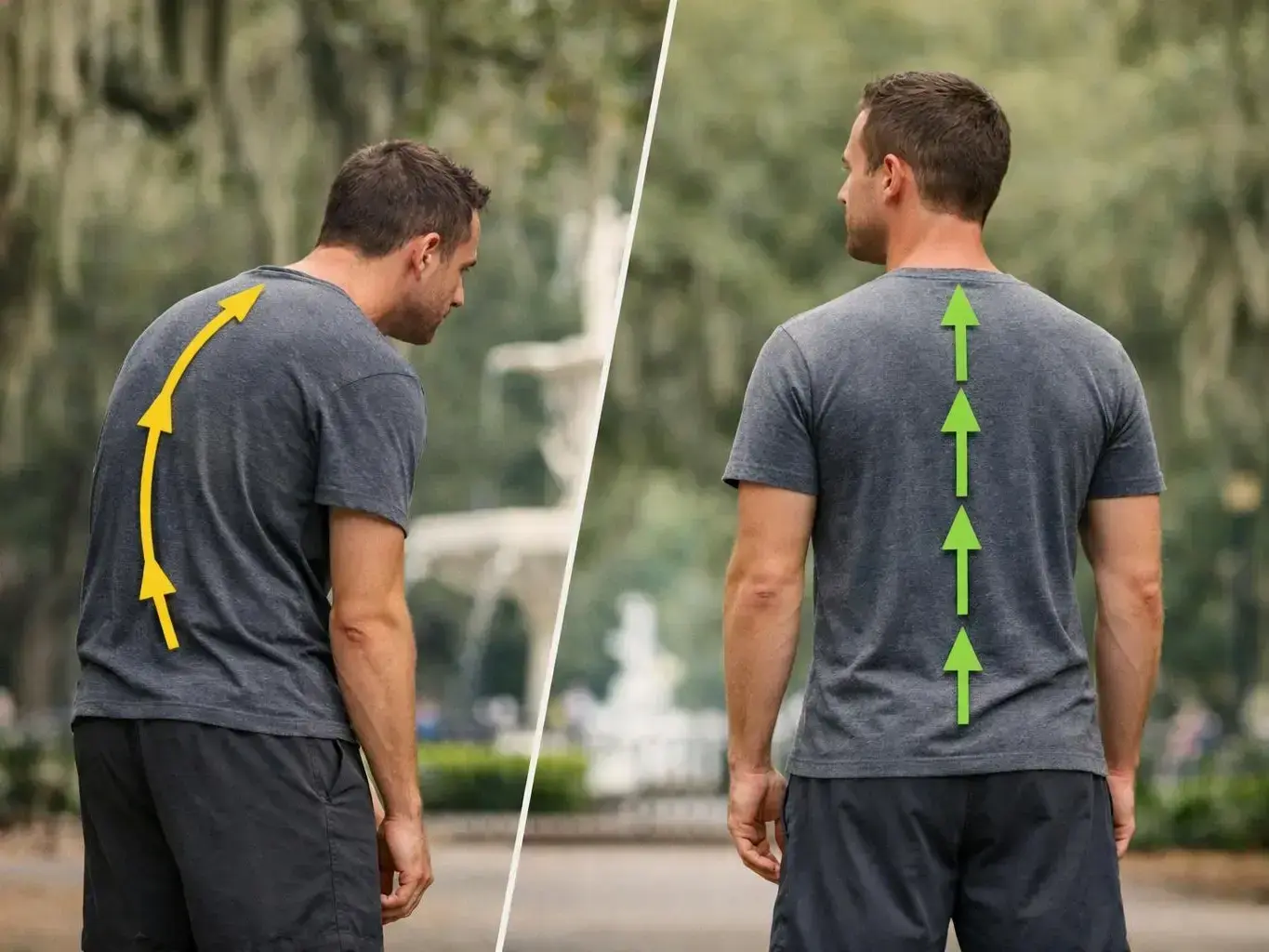
The technique is based on the principle that even minor misalignments in the atlas can disrupt nerve function, affect posture. And contribute to chronic pain. For example, an atlas misalignment may cause tension in the neck muscles, leading to headaches or dizziness. By restoring proper alignment, Atlas Orthogonal aims to alleviate these symptoms and improve the body’s natural ability to heal. The method is often used alongside other chiropractic care to support long-term spinal health and mobility.
How Atlas Orthogonal Works?
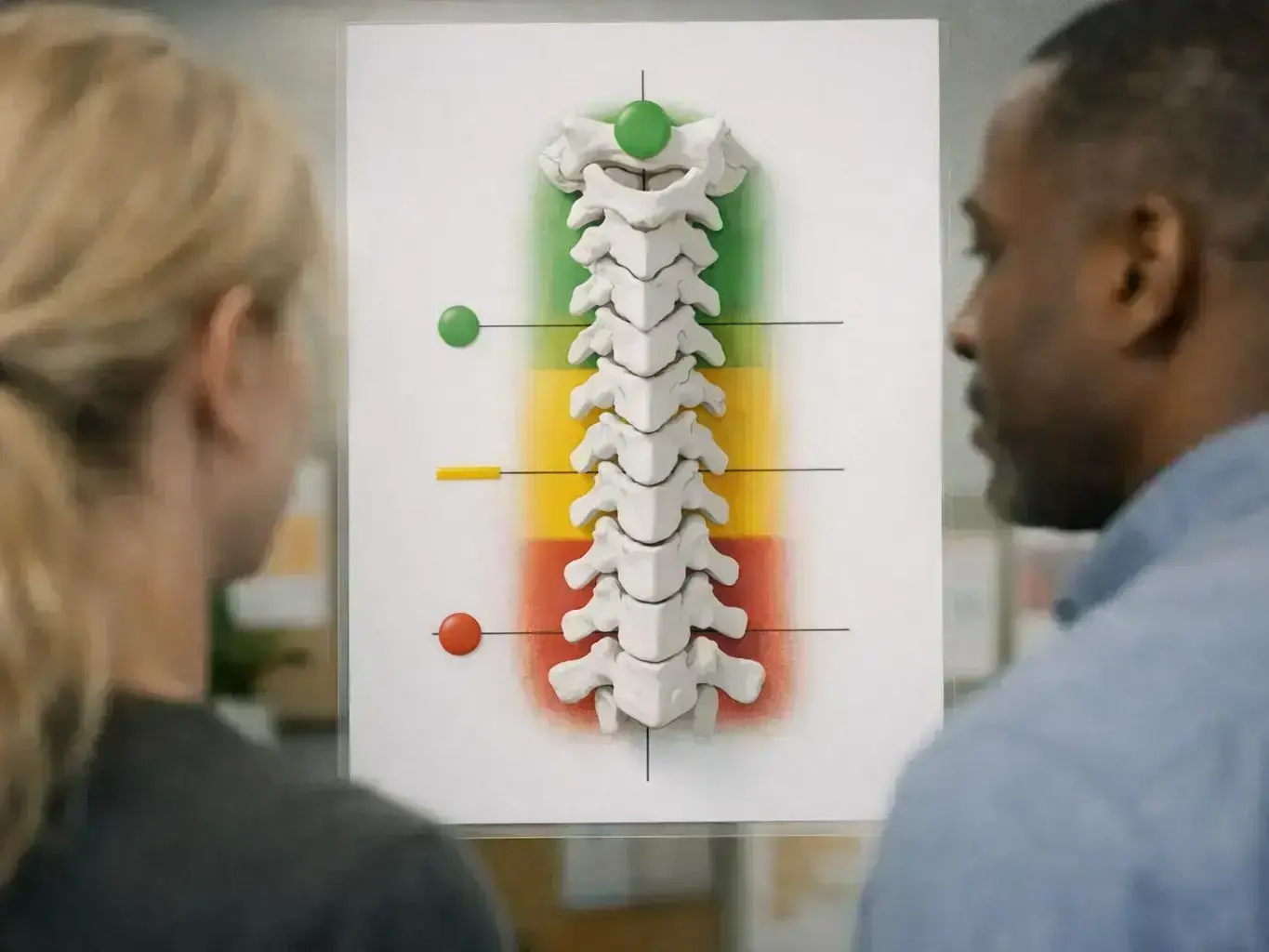
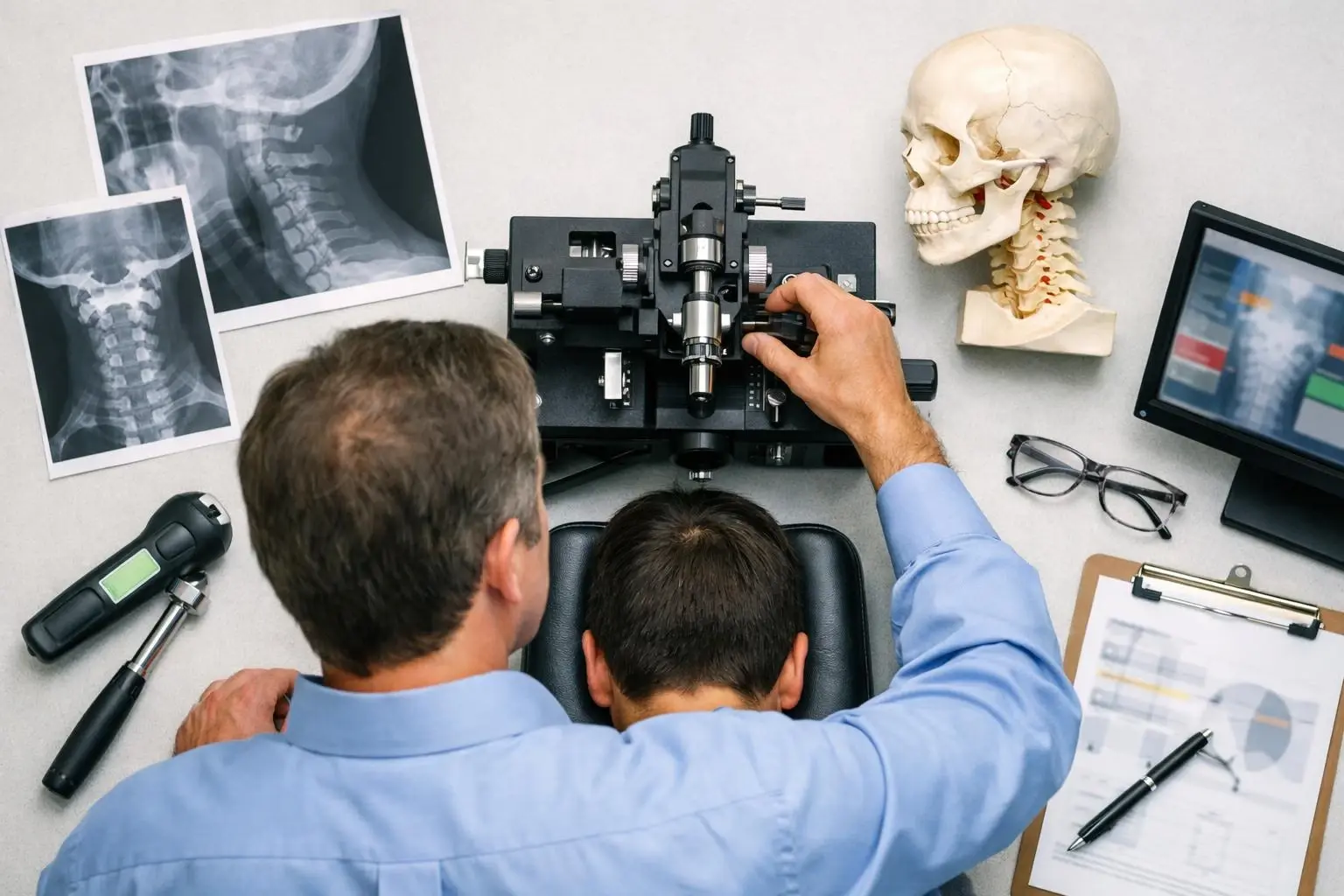
The Atlas Orthogonal procedure begins with a detailed assessment, including X-rays to measure the exact position of the atlas vertebra. These images help the chiropractor determine the specific angle and direction of misalignment, which is unique to each patient. Once the misalignment is identified, the chiropractor uses a specialized instrument called an Atlas Orthogonal percussion adjusting instrument. This tool delivers a controlled, gentle impulse to the atlas, encouraging it to move back into its proper position without forceful manipulation.
The adjustment itself is quick and typically painless, often described by patients as feeling like a light tap on the neck. Because the technique avoids twisting or cracking, it's suitable for a wide range of patients, including those with sensitive necks, children. Or individuals recovering from injuries. After the adjustment, follow-up X-rays may be taken to confirm the correction and track progress. Many patients report immediate relief from symptoms. Though some may require multiple sessions to achieve lasting results.
Why Atlas Orthogonal Matters?
Proper alignment of the atlas vertebra is crucial because it influences the entire spine and nervous system. When the atlas is misaligned, it can create tension in the muscles, ligaments. And nerves of the neck, leading to a cascade of issues such as chronic headaches, migraines. Or even balance problems. Over time, this misalignment can also contribute to poor posture, as the body compensates for the imbalance, potentially causing discomfort in the shoulders, back. Or hips. By correcting the atlas, Atlas Orthogonal helps restore the body’s natural alignment, reducing strain on the nervous system and improving overall function.
Another key benefit of Atlas Orthogonal is its precision. Because the technique relies on detailed imaging and a specialized instrument, it allows for highly targeted adjustments that manual methods may not achieve. This precision can be especially valuable for patients with specific conditions, such as whiplash injuries, scoliosis. Or temporomandibular joint (TMJ) disorders, where even minor misalignments can have significant effects. And the gentle nature of the technique makes it a preferred option for patients who are hesitant about traditional chiropractic adjustments.
When Atlas Orthogonal Matters Most?
Atlas Orthogonal is particularly beneficial for individuals experiencing symptoms linked to atlas misalignment. Common signs that this technique may help include frequent headaches, neck stiffness, dizziness. Or pain that radiates into the shoulders or upper back. It is also useful for patients recovering from injuries, such as whiplash from a car accident, where the atlas may have been jarred out of position. Athletes or individuals with postural issues, such as those caused by prolonged sitting or repetitive movements, may also find relief through this method.
In addition to addressing pain and discomfort, Atlas Orthogonal can be part of a broader wellness plan for patients seeking to improve their spinal health. Because the atlas plays a role in nerve function and posture, correcting its alignment can have far-reaching effects, from reducing tension-related symptoms to enhancing mobility. For residents of Newnan, GA, where chiropractic care is often sought for both acute injuries and chronic conditions, Atlas Orthogonal offers a precise, non-invasive option for those looking to restore balance and alleviate discomfort without manual adjustments.