Understanding Active Release Technique
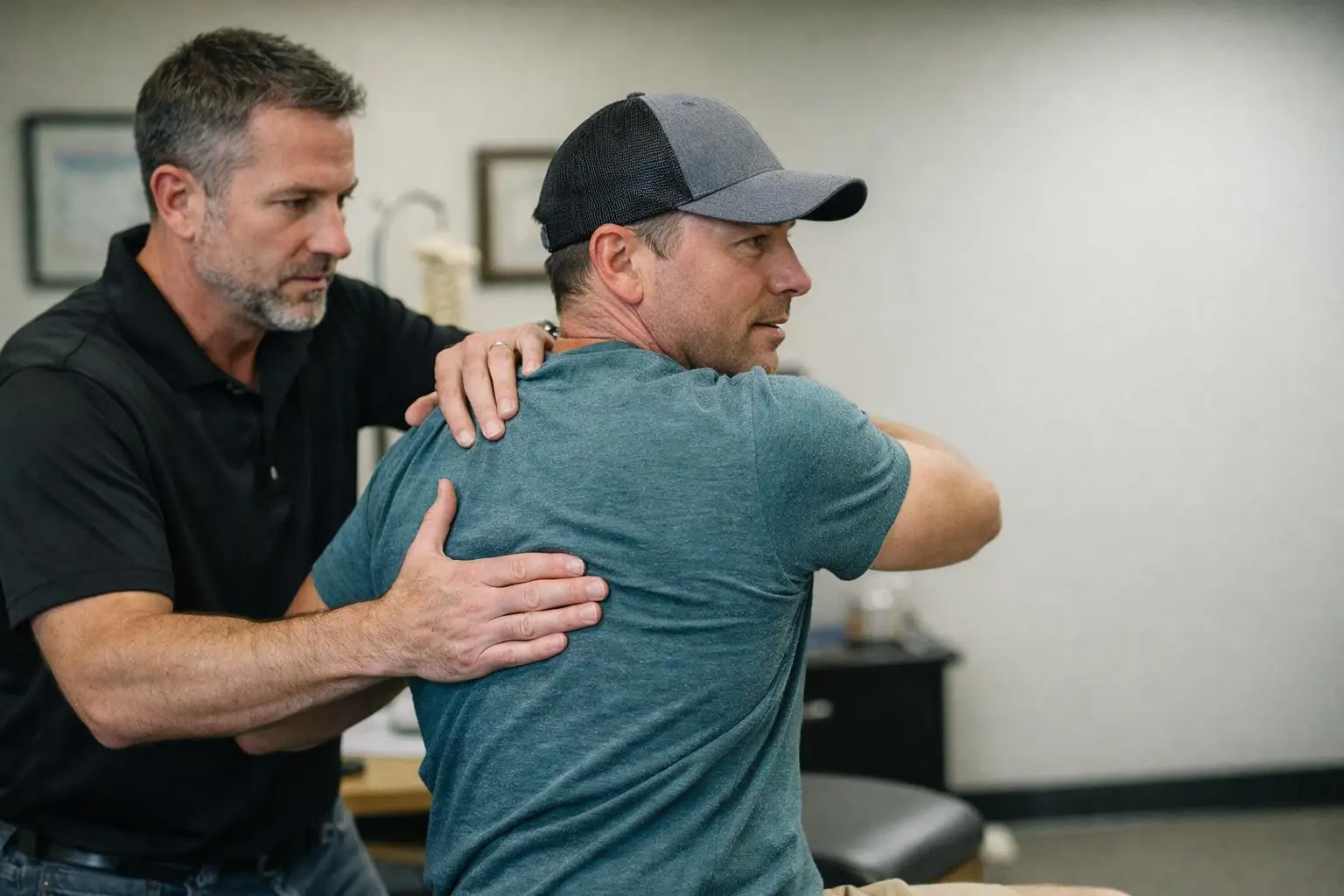
Active Release Technique (ART) is a specialized soft-tissue treatment created to address problems in muscles, tendons, ligaments, fascia. And nerves. Unlike traditional massage, which focuses on relaxation, ART targets specific adhesions—bands of scar tissue that form after injury, overuse. Or poor posture. These adhesions can restrict movement, cause pain. And reduce strength. ART providers use their hands to locate these tight spots while the patient moves the affected area, helping to break up the adhesions and restore normal tissue function.
The technique was developed in the 1980s by Dr. P. Michael Leahy, a chiropractor and engineer who noticed that many of his patients had soft-tissue injuries that did not respond to standard chiropractic care. By combining his knowledge of anatomy with hands-on treatment, he created a method that could address the root cause of pain rather than just the symptoms. Today, ART is used by chiropractors, physical therapists. And sports medicine professionals worldwide to treat conditions like carpal tunnel syndrome, shin splints. And shoulder impingement.
How Active Release Technique Works?
ART works by applying precise tension to a restricted area while the patient performs a specific movement. The provider first identifies the location of the adhesion by feeling for tightness or tenderness. They then apply pressure with their fingers, thumb. Or hand while the patient actively moves the affected body part through its range of motion. This combination of pressure and movement helps to separate the adhered fibers, increase blood flow. And promote healing.
A common issue is The process is repeated several times for each adhesion, with the provider adjusting their pressure based on the patient’s feedback and tissue response. Sessions typically last 15 to 30 minutes and may focus on one area or multiple problem spots. Because ART is highly specific, it often provides immediate relief. Though some conditions may require several sessions to fully resolve. The technique is most effective when combined with other therapies, such as chiropractic adjustments, stretching. Or strengthening exercises, to address the underlying causes of the injury.
To perform ART, providers must complete a certification program that includes hands-on training and testing. That way they can accurately identify adhesions and apply the technique safely. Certification is required to legally offer ART as a treatment. And providers must renew their credentials regularly to stay current with best practices.
Why Active Release Technique Matters?
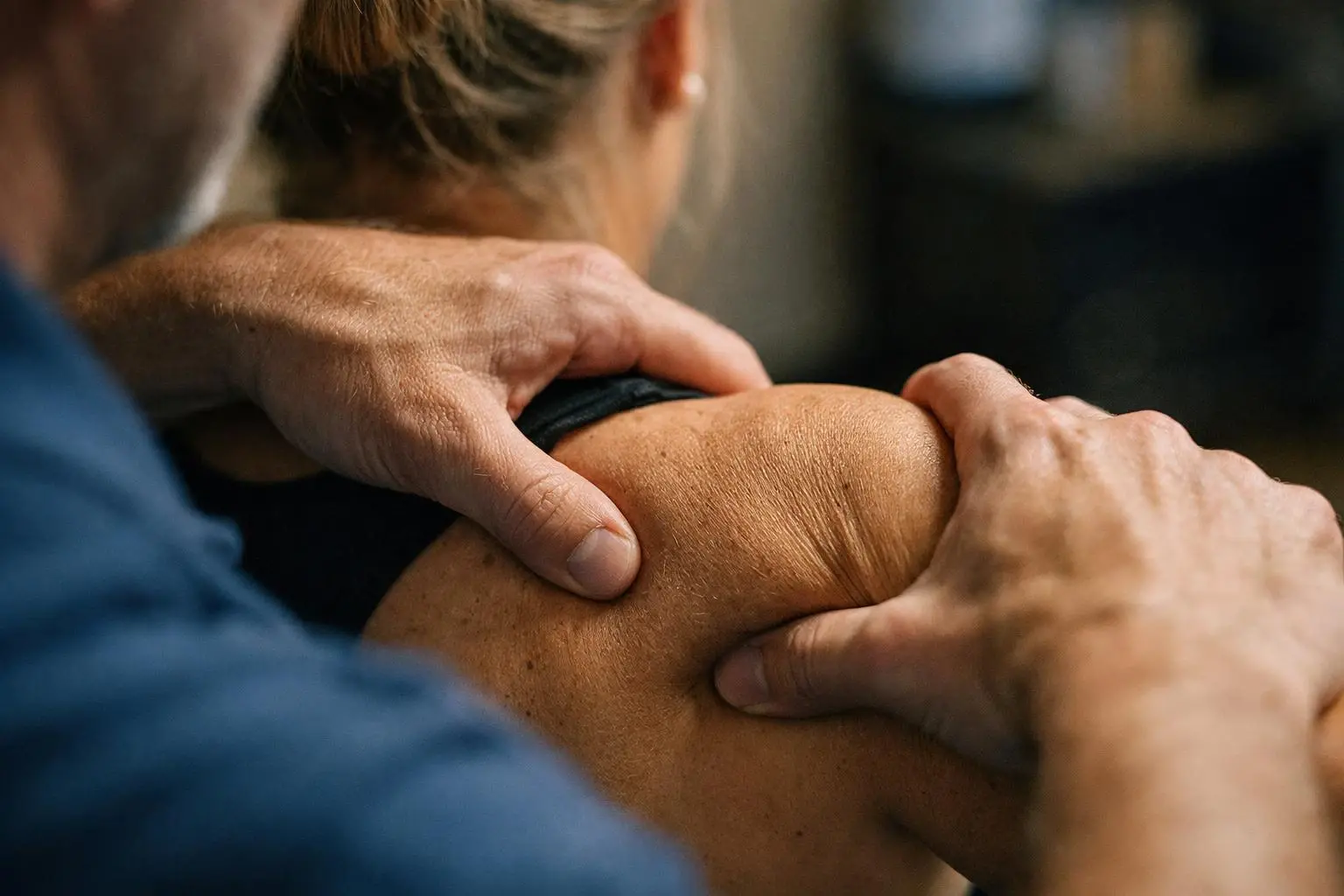
Active Release Technique matters because it offers a targeted solution for soft-tissue injuries that often go untreated or misdiagnosed. Many people with chronic pain, stiffness. Or weakness assume their symptoms are due to aging, arthritis. Or permanent damage. But adhesions and scar tissue can often be the hidden cause. ART provides a way to address these issues without surgery or medication, making it a valuable option for athletes, office workers. And anyone recovering from injury.
The technique is also important for preventing re-injury. When adhesions form, they can alter the way muscles and joints move, increasing the risk of future problems. By breaking up these adhesions, ART helps restore normal movement patterns, reducing strain on surrounding tissues. That means especially beneficial for people with repetitive stress injuries, such as runners, musicians. Or manual laborers, who need to maintain flexibility and strength to perform their activities safely.
When Active Release Technique Matters Most?
Active Release Technique is most useful in situations where soft-tissue restrictions are causing pain, limited movement. Or weakness. Common scenarios include recovering from a sports injury, dealing with chronic pain from poor posture. Or addressing overuse injuries from repetitive tasks like typing or lifting. It's also helpful for people who have not found relief from other treatments, such as massage, physical therapy. Or medication. And are looking for a more targeted approach.
ART is often used in the following cases:
- Carpal tunnel syndrome or other nerve entrapments
- Plantar fasciitis and foot pain
- Tennis elbow or golfer’s elbow
- Shoulder impingement or rotator cuff injuries
- Sciatica or piriformis syndrome
- Headaches caused by tight neck muscles
Because ART is a hands-on treatment, it is best suited for conditions that involve soft-tissue restrictions rather than structural problems like fractures or severe arthritis. A qualified provider can determine if ART is appropriate during an initial evaluation, which may include a physical exam and discussion of the patient’s symptoms and medical history.