
Whiplash Symptoms: What to Watch for After a Collision
Whiplash symptoms after a car accident can include neck pain, stiffness, reduced movement, headaches, dizziness, shoulder discomfort, and delayed soreness. Arrowhead Clinic Chiropractor Newnan evaluates injury patterns and explains appropriate next steps through Free Consultations.
Get a Free Estimate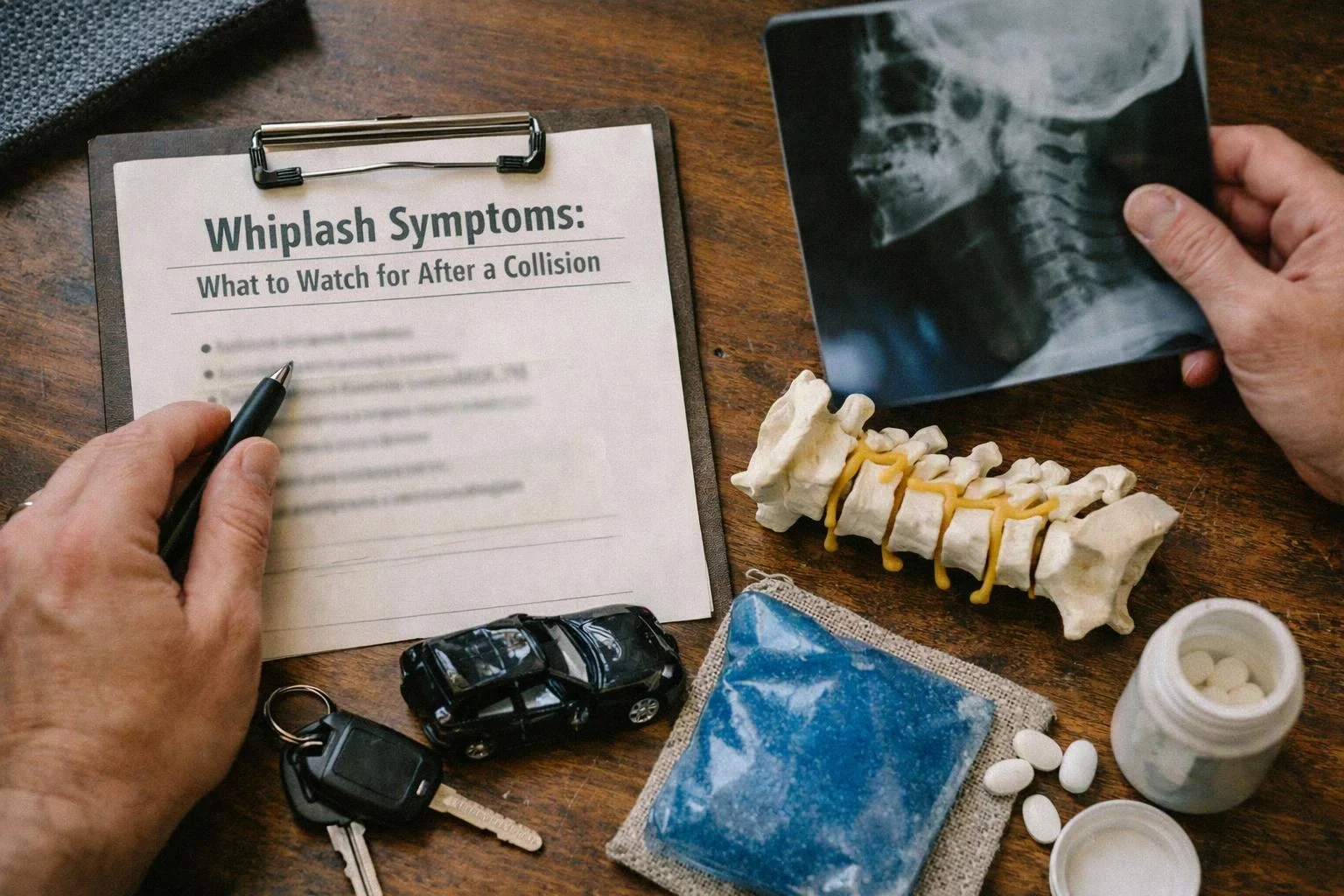
What Are Whiplash Symptoms After a Car Accident?
Whiplash symptoms are signs of a neck injury caused by the head moving rapidly backward and forward during a collision. This motion can strain the muscles, ligaments, and other tissues around the cervical spine.
A rear-end collision can cause a soft-tissue injury even when there is no visible damage to the body. We assess the pattern of pain, movement limits, and tenderness to help identify a possible muscle strain or ligament injury.
Common Symptoms to Watch for After Impact
Common whiplash symptoms include neck pain, neck stiffness, and reduced range of motion. Headache, shoulder pain, upper back pain, arm discomfort, and tenderness may also occur.
Radiating discomfort may travel from the neck toward the shoulder or arm. We note where symptoms occur and whether certain movements make them worse.
Can Whiplash Symptoms Appear Later?
Yes, whiplash symptoms can appear after the collision because pain, stiffness, and inflammation may develop after the initial shock has passed.
Delayed symptoms can follow post-collision soreness or rising muscle tension. Tracking symptom progression gives our team a clearer picture during a post-collision evaluation.
What to Check Before Leaving the Collision Scene
Before leaving the collision scene, check for symptoms that may require immediate medical assessment. Do not ignore a change that feels sudden, severe, or unfamiliar.
We recommend documenting what you notice so the details remain clear during later care.
What to Do During the First Part of Recovery
During the first part of recovery, symptom tracking helps connect changes to daily activities and movement. We use those details when discussing treatment evaluation and a recovery plan.
Keep collision documentation and medical records together so the timeline is easier to review during care.
What to Monitor After a Car Accident
After a car accident, monitor whether symptoms improve, stay the same, or become more intense. A clear record helps us compare your condition during a collision evaluation.
Changes in balance, sensation, sleep, or movement deserve attention because they may point to more than a simple sore muscle.
Which Whiplash Warning Signs Need Prompt Medical Attention?
Whiplash warning signs that need prompt medical attention include severe or worsening headache, confusion, loss of consciousness, new weakness, and difficulty walking.
These symptoms can signal a serious injury that needs medical evaluation. We advise prompt medical care when neurological symptoms appear or when your condition changes quickly.
Can Whiplash Cause Headaches or Dizziness?
Yes, whiplash can cause headaches or dizziness, but those symptoms can also signal another injury that requires medical evaluation.
A post-traumatic headache may relate to irritated neck muscles, changes in the cervical spine, or stress on cervical nerves. Dizziness can also affect balance, so we check whether the symptom appears with neck movement or other possible concussion symptoms.
Our team records these details during an examination and identifies when referral criteria call for additional medical care. You can learn more about related warning signs in Back Pain Warning Signs: When to Seek an Evaluation when upper-body discomfort continues.
When Should You Seek Care for Whiplash?
You should seek medical care for whiplash when symptoms persist, worsen, limit movement, or include neurological changes such as numbness, tingling, or weakness.
Persistent neck pain, restricted movement, headache, dizziness, or radiating pain deserves a post-collision evaluation. Early assessment helps separate a collision-related neck injury from symptoms that may need another type of medical attention.
Our team can discuss appropriate next steps through Whiplash Treatment and explain when additional care is needed.
How Arrowhead Clinic Chiropractor Newnan Evaluates Whiplash Symptoms
Arrowhead Clinic Chiropractor Newnan evaluates the collision history, symptoms, neck movement, tenderness, and neurological warning signs before discussing care options; our team offers Free Consultations.
We ask about the collision mechanics, including the direction of impact and your position when the vehicle was struck. Our range-of-motion assessment reviews movement, posture, and muscle tenderness without relying on symptoms alone.
We also perform a neurological screening to identify changes that may require referral. The findings help us explain whether chiropractic care fits your situation and what steps belong in your recovery plan.
How Whiplash Treatment Supports Recovery
Whiplash Treatment supports recovery by addressing movement limits, soft-tissue discomfort, and the effects of muscle tension after a collision. Our team builds care around your symptoms, examination findings, and daily needs.
Chiropractic care may include manual therapy and therapeutic exercise when those options match the evaluation. These approaches can support mobility and help manage pain as the neck and surrounding tissues recover.
Car Accident Injury Treatment focuses on the full injury pattern, including the neck, shoulders, upper back, and radiating arm pain. We explain each part of the recovery plan and adjust care as your symptoms change.
Questions About Whiplash Symptoms
Can you have whiplash without immediate neck pain?
Yes, whiplash can occur without immediate neck pain because delayed soreness, stiffness, and inflammation may develop after the collision. Arrowhead Clinic Chiropractor Newnan asks about changes that appear later and evaluates the complete symptom pattern.
What should you tell a chiropractor about a car accident injury?
Tell the chiropractor how the collision happened, when symptoms began, which movements increase discomfort, and whether you have numbness, tingling, weakness, headache, or dizziness. Include medical records and collision documentation so the evaluation reflects the full timeline.
Can whiplash symptoms overlap with concussion symptoms?
Yes, whiplash symptoms can overlap with concussion symptoms because both may involve headache, dizziness, balance changes, and difficulty concentrating. Our team screens for warning signs and explains when prompt medical evaluation is needed.
Arrowhead Clinic Chiropractor Newnan can review your symptoms, collision history, and next steps through a Free Consultation. Contact our team for a post-collision evaluation.
Get a Free Estimate